Krause & Becker Airless Paint Sprayer Review 2026: Complete Guide
Painting a big room or a fence can take forever with a brush. An airless paint sprayer can speed up that job. Krause & Becker makes one of these sprayers, and many people wonder if it is worth their time.
This review takes a close look at what the Krause & Becker airless sprayer offers. We cover what users report, where it may fall short, and what you should know before you buy.
Airless sprayers push paint through a small tip at high pressure. That power covers large walls quickly. It also creates a fine spray that needs care, so safety matters from the first use.
Here is the honest truth up front. Independent test data for this model is limited. A community video raised questions about paint performance, so we share those concerns and what they mean for you.
Read on to see what we found.
In a Nutshell
-
Safety comes first. The Krause & Becker manual warns about injection hazard from the high pressure output. Read the safety section fully before you start spraying. Keep the tip clear and never point the gun at your body.
-
Performance concerns exist. A community video tested a newer Krause & Becker model, and its title mentions paint issues. The details are not clear, so watch the full video to see what went wrong for that tester.
-
Latex paint may give mixed results. One forum user reported poor results with latex paint. Test a small patch first on scrap material or a hidden area. This helps you learn how the finish looks before you commit to a full wall or fence.
-
Setup and cleanup take patience. Many airless sprayer owners find the setup and cleanup tedious. Plan extra time for flushing the lines and rinsing the tip. Skipping cleanup can clog the sprayer, so do not rush this step.
-
Key specs are missing. The pressure rating, tank size, and flow rate are not confirmed in the research. Check the product label or manual for these numbers so you can compare them with your project size.
-
Best for careful, planned projects. This sprayer suits people who want to spend time on testing and setup. If you need a fast, hands-off finish, compare it with other airless models before you decide.
Build Quality and Components

- Complete Painting Kit: This airless spray gun set includes one spray gun, five reversible nozzles...
- Five Nozzles for Versatility: Choose from a selection of five different nozzle sizes...
Last update on 2026-10-26 / Affiliate links / Images from Amazon Product Advertising API Some of the links on this website are affiliate links, which means that at no additional cost to you, I earn a commission if you click through and make a purchase. I only recommend products and services that I believe will add value to my readers. Thank you for your support!
Parts of an airless paint sprayer work hard every day. Pumps, hoses, and spray guns handle constant pressure. Good build quality helps these parts last longer.
The research does not describe the materials in the Krause & Becker pump. It also does not name the motor or the gun design. Buyers should check these details first.
Check the spray gun first. A solid trigger and a comfortable grip help during long painting sessions. Look for a gun that feels steady in your hand.
The tip guard deserves attention too. It shields the nozzle from bumps and scrapes. A damaged tip can change the spray pattern quickly.
Hoses need a close look as well. Thin or stiff hoses may crack over time. Flexible hoses with strong fittings handle rough use better.
Inspect the fittings before every job. Loose connections can leak paint and reduce pressure. Tighten them with the right tools.
Filters play a big role in performance. A clean filter protects the pump and tip from clogs. Keeping spare filters nearby saves time during a project.
The frame and wheels matter for daily use. A sturdy frame resists drops and bumps. Smooth wheels make moving the unit easier on uneven ground.
Plastic parts may crack under heavy use. Metal parts often handle wear better. The research does not confirm which materials K&B uses, so check the manual.
Wheels and handles also deserve a test before buying. Lift the unit and feel its balance. Check whether the handle stays firm when you carry it.
Hands on checks reveal a lot about build quality. Shake the parts gently. Listen for rattles and look for loose screws.
Overall, the build picture stays unclear. Without clear part details, shoppers should inspect the sprayer in person when possible. A quick check at delivery can prevent trouble later.
Spray Performance and Finish
The final look of a painted wall depends on how the sprayer delivers paint. Steady output helps each pass lay down an even layer.
Spray pattern plays a key role here. A clean fan shape spreads paint evenly across the surface. A ragged pattern can leave stripes or heavy spots.
The research does not describe the Krause & Becker spray pattern. Owners should check the fan shape on scrap material before starting a large job.
Overspray is another factor to watch. Fine mist can drift onto nearby plants, floors, and windows. Masking and drop cloths protect these areas.
Pass technique shapes the finish too. Keep the gun moving at a steady speed. Hold it about the same distance from the surface on every pass.
Overlap each pass by about half the fan width. This step helps prevent lines where one stroke ends and another begins. Skipping overlap often causes visible stripes.
Drips and runs appear when too much paint lands in one spot. Slow, even strokes help prevent them. Light coats often look better than one thick coat.
Thinning paint can change the result. Some users thin paint to improve flow, but the right amount depends on the paint. Always follow the paint label first.
Coverage speed can affect finish indirectly. Rushing large walls often leads to uneven coats. Plan each section so you finish a wall or panel in one session.
Testing a few boards first gives the clearest answer. Spray a scrap sheet, let it dry, and check the surface in daylight. Look for stripes, bumpy texture, and thin spots.
Side lighting shows bumps and missed spots clearly. Paint often looks different once it fully cures. Waiting for full drying gives the true finish.
The research gives no verified finish data for this model. Treat any claim about smoothness as unconfirmed until you test it yourself.
Setup and Cleanup
Good setup starts before you touch the sprayer. Pick a flat, open space with fresh air. Lay down drop cloths and tape off trim so cleanup stays simple.
Read the K&B manual first. The manual warns about injection risk from high pressure output. Never point the gun at your body. Always lock the trigger between passes.
Flush the pump before the first use. Many new sprayers ship with protective fluid inside. Check the manual for the right cleaner, then run it through the hose.
Prime the hose slowly with the paint or fluid you plan to use. Keep the suction tube fully submerged. Air pockets cause sputtering and uneven starts.
Relieve pressure before any cleaning. Turn off the sprayer, release the trigger, and follow the manual’s pressure release steps. This step protects your hands and eyes.
Clean the tip and guard by hand. Soak the tip in the cleaning fluid. Use a soft brush or tip tool. Avoid metal pins, which can scratch the opening.
Run clean fluid through the whole system. Pump until the output runs clear. Then spray the fluid into a waste pail to remove leftover paint from the hose.
Clean the gun separately. Remove the tip and the gun housing. Wipe the outside with a damp cloth and avoid soaking the trigger area.
Clean the filters after each session. Dried paint hardens inside the filter and blocks flow. Remove the filter bowl, rinse it, and check the screen for buildup.
Store the sprayer dry and upright. Follow the manual for what to leave inside the pump. Keep it somewhere dry and above freezing.
Write down your steps the first time. Notes help you repeat the setup faster. A simple checklist keeps every session smooth and reduces mistakes.
Finish with a clean sweep. Wipe down the frame and wheels. Store the cleaned parts together so the next setup goes quickly.
Top 3 Alternatives
Looking for another option? These three sprayers can help with different painting projects.
Graco Magnum X5

- Just right for DIY Homeowners and Remodelers looking for more power and mobility when tackling...
- Ideal for projects up to 10 gallons in size, allowing you tackle multiple projects every year

Last update on 2026-10-26 / Affiliate links / Images from Amazon Product Advertising API Some of the links on this website are affiliate links, which means that at no additional cost to you, I earn a commission if you click through and make a purchase. I only recommend products and services that I believe will add value to my readers. Thank you for your support!
The Graco Magnum X5 is a standalone airless sprayer. It handles large walls, ceilings, and exterior siding with ease. The sprayer uses a durable pump that handles thicker paints well. You can adjust the pressure to match your surface. Setup takes only a few minutes, so you can start painting fast. It suits bigger jobs where speed matters most.
Wagner FLEXiO 3000

- This refurbished product is tested and certified to look and work like new. The refurbishing process...
Last update on 2026-10-26 / Affiliate links / Images from Amazon Product Advertising API Some of the links on this website are affiliate links, which means that at no additional cost to you, I earn a commission if you click through and make a purchase. I only recommend products and services that I believe will add value to my readers. Thank you for your support!
The Wagner FLEXiO 3000 is a lightweight handheld sprayer. It uses a turbine to push paint through the nozzle. It works well for furniture, cabinets, and trim. You can spray many paints straight from the can without thinning them. The flexible hose and adjustable spray pattern give you good control. Its light design also reduces arm fatigue during long sessions.
HomeRight Finish Max

- BETTER THAN A BRUSH OR SPRAY CAN: The HomeRight Finish Max paint sprayer is an easy-to-use electric...
- ADJUSTABLE SETTINGS, EASY TO USE: You can adjust the air cap to spray horizontal, vertical, and...
Last update on 2026-10-26 / Affiliate links / Images from Amazon Product Advertising API Some of the links on this website are affiliate links, which means that at no additional cost to you, I earn a commission if you click through and make a purchase. I only recommend products and services that I believe will add value to my readers. Thank you for your support!
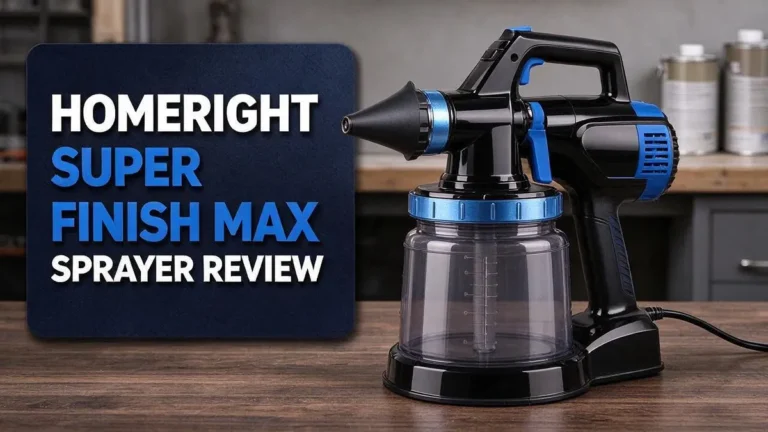
The HomeRight Finish Max is a compact turbine sprayer made for smooth finishes. It produces a fine mist that reduces brush marks. It suits small rooms, doors, and craft projects. A simple dial lets you control the spray. It works with a range of water based paints and stains. Beginners often find it easy to manage.
Safety Features and Injection Hazards
Safety deserves attention before every spray session. An airless sprayer pushes paint through a tiny tip at very high pressure. That force can cause serious harm, even though the spray looks gentle.
A thin stream of paint can pierce skin. The wound often looks small on the surface. Paint can spread under the skin and cause deep damage.
Early signs include swelling, numbness, or pain at the spot. Get medical help fast, even when there is no visible mark. Doctors need to know that paint was injected.
Never point the gun at any part of the body. This includes hands, legs, and face. Many people think a test spray on a finger is safe. It is not safe at all.
The research does not list specific safety features for the Krause & Becker model. It does confirm that the manual warns about injection risk. Read that warning closely and follow it on every job.
Use the trigger lock whenever the sprayer sits idle. A lock stops accidental triggers from firing the gun. Store the sprayer where children and pets cannot reach it.
Wear protective gear every time. Safety glasses guard the eyes from splashes. Chemical resistant gloves protect the hands. Long sleeves and closed shoes add extra cover.
Ventilation matters too. Paint fumes build up quickly in closed rooms. Open windows and run a fan to move the air out. A respirator rated for paint vapors offers extra protection.
Keep bystanders well clear of the work area. Mark the zone with tape or a sign. Only the person spraying should stand near the gun.
Safe habits protect both the worker and the home. Take a few minutes to review these steps before each project. Good habits make every painting job safer and more enjoyable.
Best Paint Projects and Use Cases
Airless sprayers shine on large, flat surfaces. A board fence, a shed wall, or a long garage door can take hours by brush. A sprayer cuts that time down a lot.
Exterior projects make the most sense for this tool. Think siding, board fences, and metal gates with many bars. The spray reaches tight gaps that a roller often misses.
Interior work needs more planning. Empty rooms are the best choice. Cover floors, trim, and outlets with plastic sheeting before you start.
Flat ceilings are another strong use case. An even coat goes on fast in an unused room. Your arms and neck also feel less strain than they would rolling overhead for hours.
Deck and fence stains suit this tool too. Thin stains move through the tip more easily than heavy paints. Read the stain label to confirm it works with airless equipment.
Some jobs still call for a brush. Trim, corners, and window edges need a steady hand. Many painters spray the big areas first, then brush the edges.
Latex paint deserves extra care. A forum user reported poor results with latex in general airless testing, so the outcome may vary. Check the paint label and the sprayer guidance before you begin.
Skip jobs in small, crowded rooms with heavy furniture. Dust and mist spread quickly there. Wind and rain also ruin outdoor work.
Clean, dry surfaces give the paint a better grip. Scrape loose flakes and wipe off dirt before spraying. Dust that sticks to wet paint leaves rough spots.
Pick a calm, dry day with mild temperatures. Morning often works well before the heat builds. Stable weather helps the paint dry evenly.
Plan the job before the sprayer comes out. List every surface, measure the area, and estimate the time needed. A clear plan keeps the project moving and prevents rushed mistakes.
Pros and Cons
Pros
- Sprays large areas fast so you finish big jobs in less time.
- Produces high paint volume with minimal overspray in general airless designs.
- Can give a smooth finish on flat surfaces when set up well.
- Helps you cover long walls and ceilings without constant reloading.
Cons
- Setup takes time before the first spray.
- Cleanup can feel tedious after each project.
- Few independent reviews exist to confirm how it performs.
- Some user tests reported performance problems, but few details are shared.
Who Should Buy It
Ideal buyers are patient DIY fans. They enjoy learning new tools and accept a slower first session. Setup and cleanup take time, so plan for extra hours before you start.
Homeowners with a clear plan fit well. They measure their surfaces first and estimate how much paint they need. A written plan keeps the job moving.
Beginners should practice before the real project. Spray a scrap board to learn how the paint lands. This builds confidence before you tackle a visible wall.
Careful note takers get better results. Write down the paint type, the settings, and the surface after each session. Patterns help you spot what works and what fails.
Buyers who need proof should wait. The research shows few independent reviews. Community tests raised performance questions, but the details stay unclear. Waiting for more data gives you a clearer picture.
Professional crews need proven gear. This model has unknown specs, so it may not handle daily job demands. Graco is a known competitor in this category, so compare them carefully before you decide.
Test it before you commit. Choose a seller with a clear return policy. Run a small test project and compare the finish with your brush work. A short trial shows whether the sprayer meets your needs.
Read the setup section of the Krause and Becker manual before you buy. The steps show how much effort the first session takes. If the process feels frustrating, this tool may not suit you.
Ask yourself three questions. Do I have the time for setup and cleanup? Do I have the patience to test and adjust? Do I have a clear project with large, open surfaces?
Bottom line: Buy this sprayer if you enjoy learning new tools and can wait for solid results. Skip it if you need proven performance right away.
Final Verdict
Our final verdict leans cautious. The research explains how airless sprayers work in general, but it does not confirm how this exact machine performs.
We could not find the pressure rating, tank size, or flow rate. Without those numbers, you cannot judge if the sprayer fits your job.
Safety should come first with any high-pressure tool. The K&B manual warns about injection injuries from the spray. Read that section before you use the sprayer.
Never point the tip at your hand or body. Lock the trigger when you pause. Wear gloves and eye protection every time.
Reported performance problems add weight to the caution. A community video raised issues with a K&B model. The details remain unclear, so treat that feedback as a warning sign.
Set this sprayer beside a known brand before you decide. Graco models, such as the Magnum 257025 Project Painter Plus, make a useful comparison point. Line up the listed specs side by side.
Think about your project size. A short fence job carries less risk than a month of daily work. Match the tool to the job, not the other way around.
Renting a known sprayer for your first big job is another route. This lets you learn the process without owning an unproven machine.
Think of this sprayer as a maybe for now. Ask the seller for the full spec sheet and warranty terms in writing. Get those answers before you order.
Who should say yes? Mainly buyers who enjoy troubleshooting and can wait for more data. Everyone else will likely get better results from a better documented option.
In short, the K&B sprayer may work, but the evidence is thin. Choose with care, stay safe, and let solid test results guide your decision.
Frequently Asked Questions
Is this sprayer good for beginners?
It can work for beginners who have time to learn. Start with a scrap board or old piece of cardboard so you can see how the paint lands. Expect a messy first session.
Which paint works best with this sprayer?
One user reported poor results with latex paint. Check your paint label for thinning advice. Spray a small test patch before you start the full job.
Do I need protective gear?
Yes. Wear safety glasses, gloves, and a mask every time you spray. Keep kids and pets out of the work area.
Can I use it indoors?
Indoor spraying creates a fine mist that can hang in the air. Open windows and run fans for airflow. Cover floors, furniture, and vents with plastic sheets.
What should I check when the sprayer arrives?
Look over the hose, tip, and filter first. Make sure every connection fits tightly. Run the sprayer with water before you add paint, so you can spot leaks early.

Hi, I’m Amelia Thornton, the founder of ElectroPro.blog.
I write about smart devices, gadgets, electronics, and tech essentials from Amazon.
My goal is to help you discover reliable and innovative tech that truly makes life easier.
From home automation to everyday gear, I test and share what’s worth your investment.
Join me as I explore the smartest tech trends—one gadget at a time.