Kreg Adaptive Cutting System Saw Review 2026: Worth Buying?
Are you looking for a saw that makes clean cuts without the fuss? The Kreg Adaptive Cutting System Saw could be the tool you need. Many woodworkers are taking a closer look at it.
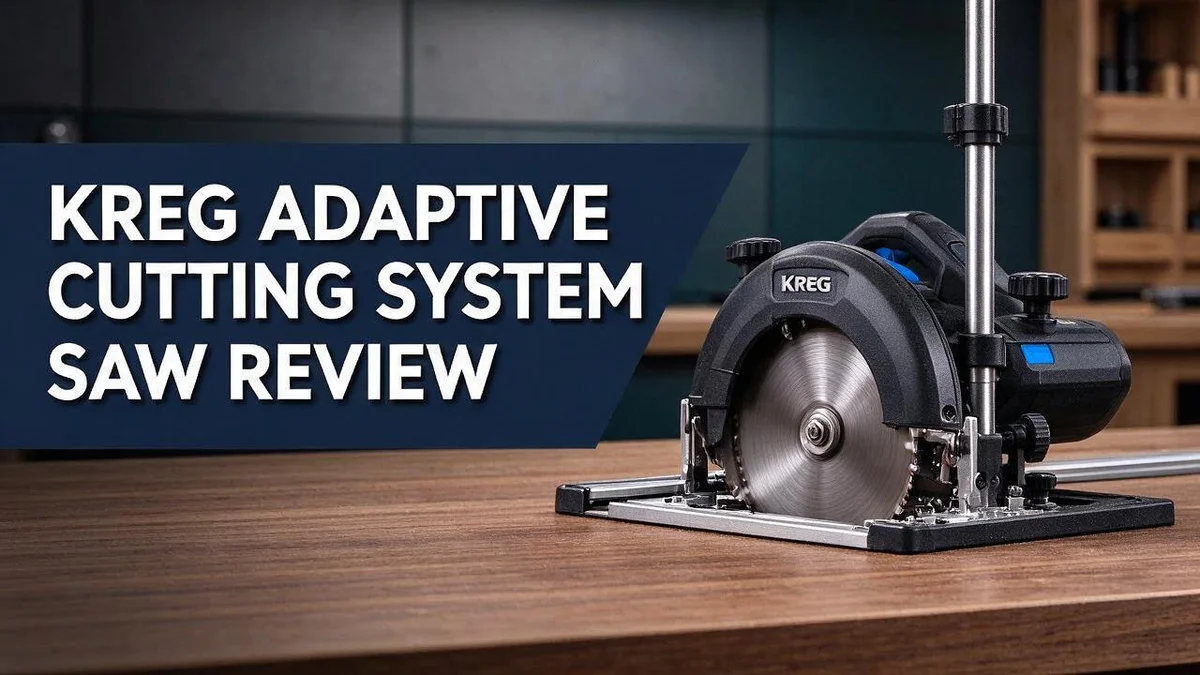
Safety is often the first question on any job site. This saw uses a plunge cutting action and a fully shrouded blade. A retractable riving knife and a built in anti kickback mechanism add extra protection.
Power comes from a 12 amp corded motor. The 6 1/2 inch blade handles everyday cuts with ease.
Before you buy, know the tradeoffs. The track does not fit Makita or Festool rails. Stock delays have also been reported. Like all track saws, it can cut into the tabletop over time.
Read on to see how this saw performs in real shop conditions.
In a Nutshell
-
Extra kickback protection: The saw base includes an anti kickback mechanism. This feature helps keep the saw steady when the blade meets tough material. Users who work close to the blade will appreciate this extra layer.
-
A retractable riving knife: The riving knife can retract, which gives you flexibility for different cuts. It helps reduce binding as the cut closes behind the blade.
-
Works with more than Kreg gear: The saw is designed to work with other market equipment. That gives you more choices for your shop and your existing tools.
-
Track compatibility limits: The track does not fit Makita or Festool rails. Check your current rails before you place an order.
-
Possible shipping waits: Some buyers reported a three day wait for the track and connectors. Plan ahead so your project stays on schedule.
-
Tabletop wear over time: Like all track saws, it can cut into the tabletop. Place a sacrificial pad under your work to protect the surface.
Plunge Cutting and Blade Guarding

- Engineered for Smooth Cutting: The Kreg 40-Tooth Saw Blade delivers accurate straight cuts for...
- Superior Vibration Control: Anti-vibration slots in this circular blade ensure quiet operation and...
Last update on 2026-10-26 / Affiliate links / Images from Amazon Product Advertising API Some of the links on this website are affiliate links, which means that at no additional cost to you, I earn a commission if you click through and make a purchase. I only recommend products and services that I believe will add value to my readers. Thank you for your support!
Starting a cut in the middle of a board can feel tricky. With this saw, you lower the blade into the wood on purpose. You control the entry point with your hands.
Plunge cutting works well for openings like dados, vent holes, and notches. Set your guide, press the base down slowly, and let the blade bite into the material. Keep steady pressure through the whole pass.
The guard moves out of the way as the blade enters the wood. It springs back when you lift the saw. Watch the guard closely on your first few passes so you learn how it reacts.
Check the guard before every cut. Make sure it returns fully over the blade. A guard that sticks can leave teeth exposed.
Keep your hands clear of the blade path. Hold the saw by its handles and keep your grip firm. Never reach under the base while the motor runs.
Plunge cuts create more dust than simple straight cuts. Wear eye protection and a dust mask. Connect a shop vacuum if your setup allows it.
Consider the work surface too. Clamp your workpiece firmly so it cannot shift. A loose board can twist the blade and cause a rough or unsafe cut.
Rest the saw on a stable surface before you power down. Let the blade stop fully before you lift it away. This habit prevents chips and sudden snags.
Beginners often push too hard during a plunge. Let the saw cut at its own pace. Forcing it can strain the motor and cause the blade to wander.
Test your setup on scrap wood first. Adjust depth and speed until the cut feels smooth. A few practice passes build confidence for real projects.
Wear closed shoes and avoid loose sleeves. Simple habits keep your work area clean and safe. Store the saw with the guard closed, and check the guard spring every few months. Good care keeps the mechanism working smoothly over time.
Cut Quality and Accuracy
Clean cuts are the main reason many buyers choose this saw. Users often say the edges look smooth right off the blade.
The saw gives a steady line when you follow the track. A good track keeps the blade on your mark, so your cut stays true from start to finish.
Accuracy starts before you power on. Take time to line up the track with your pencil mark. Measure twice and check the offset from the blade to the guide edge.
Clamp the track firmly to the workpiece. Any shift during the cut can cause wavy edges or a crooked line. Use clamps at both ends of the track for the best results.
Blade choice also shapes the finish. A fine tooth blade gives a smoother edge on plywood and melamine. A coarser blade removes material faster but may leave more chips on the surface.
Plywood can splinter on the top face as the blade exits. Place painter’s tape along the cut line to reduce chipping. Then score the line lightly before the full pass.
Blade depth affects the bottom edge too. Set the blade so it sits about a quarter inch below the board. This small gap reduces tearout and keeps the underside neat.
Cut quality also depends on feed speed. Push steadily and let the blade do the work. Slow feeding can burn the wood, while rushing can wander off the line.
Check your results often. Make a test cut on scrap wood first. Use a square to measure the edge. If the cut drifts, adjust your technique before you cut the final piece.
Overall, this saw delivers clean and dependable edges for most projects. With careful setup, you can expect precise results that look professional. Keep these tips in mind and your cuts will look sharp every time.
Track System and Compatibility
Start with the gear you already own. Look over every rail and clamp in your shop. If you have Makita or Festool rails, this saw will not share them. You may need a separate track set for this saw.
Plan your track length around sheet goods. A standard sheet of plywood measures four feet by eight feet. Connect track sections so the rail spans the full cut line. Short sections can wobble on long rips.
Connectors do the heavy lifting. Tight connectors keep the track straight from end to end. Loose joints shift the cut line. Check each joint before you slide the saw along it.
Support the track on both ends. Use sawhorses or a flat bench that holds the sheet level. A sagging sheet pulls the track off line. Shim low spots with thin scrap wood.
Mark your cut line on the track itself. Some shop owners find a marker on the rail easier than a pencil line on the board. Reference marks help you repeat cuts across several pieces. Keep the track clean and dry. Dust and sawdust can lift the saw base off the rail. Wipe the track before each session for smoother movement.
Store the track flat. Stand the rail on its edge or lay it on a shelf. A bent track will never give you a straight line. Protect the rail from knocks and drops.
Measure your longest cut first. Decide how many sections you need before you start a project. Then you can order the right parts once and avoid stopping mid build.
The right setup makes the saw shine. A matched track system keeps your work accurate and steady. Take a few extra minutes to check compatibility and support. Your cuts will show the difference.
Top 3 Alternatives
Festool TS 55

- Guide rail not included (available separately).
- Concentrated torque and up to twice as fast work progress with an increased saw blade service life.
Last update on 2026-10-26 / Affiliate links / Images from Amazon Product Advertising API Some of the links on this website are affiliate links, which means that at no additional cost to you, I earn a commission if you click through and make a purchase. I only recommend products and services that I believe will add value to my readers. Thank you for your support!
The Festool TS 55 is a plunge cut track saw that many pros trust. It makes clean and straight cuts in sheet goods like plywood and melamine. Each cut leaves smooth edges with very little chipping.
Its tight fit with the guide rail keeps every cut accurate. The blade guard moves smoothly, which keeps your hands safe. The saw also connects well to Festool dust extraction, so your workspace stays cleaner during long days.
This saw suits users who want precision and a solid build.
Makita SP6000 Track Saw

- 12 AMP motor with variable speed control dial (2,000 - 5,200 RPM) for optimum performance in a...
- Large cutting capacity (2-3/16" at 90° and 1-9/16" at 45°). Power Type- Corded

Last update on 2026-10-26 / Affiliate links / Images from Amazon Product Advertising API Some of the links on this website are affiliate links, which means that at no additional cost to you, I earn a commission if you click through and make a purchase. I only recommend products and services that I believe will add value to my readers. Thank you for your support!
The Makita SP6000 is a strong pick for people who want a large cutting capacity. It cuts through thick material with ease. The motor delivers steady power for demanding jobs.
The guide rail system locks in place quickly, so setup takes less time. Its design keeps the saw balanced in your hands. Many users like how smooth the plunge action feels, and cuts stay straight from start to finish.
This track saw fits both home workshops and busy job sites.
DeWalt DWS520 Track Saw

- Zero clearance track saw cutting system delivers precise, straight, splinter-free cuts.Power Tool...
- For use with track saw dual-edged tracks for perfectly straight cuts in both directions
Last update on 2026-10-26 / Affiliate links / Images from Amazon Product Advertising API Some of the links on this website are affiliate links, which means that at no additional cost to you, I earn a commission if you click through and make a purchase. I only recommend products and services that I believe will add value to my readers. Thank you for your support!
The DeWalt DWS520 is a powerful option for users who need deep cuts. It offers a smooth plunge action and clear cut lines. The saw works with a range of guide rails, so you have flexible options.
Its handle feels comfortable during long cutting sessions. Setup feels simple, even for first time users. Beginners can learn the basics quickly, and experienced builders appreciate its consistent performance.
This saw helps beginners and experienced builders alike.
Price and Value
Value starts with what you actually take home. This saw gives you a complete cutting setup, not just a blade and a motor.
Customer service adds real worth to your purchase. Many buyers praise the support team for quick and helpful answers. That help matters when a question comes up in the middle of a project.
Check your current tools before you commit. The track does not work with Makita or Festool rails. If you already own those rails, you may need to plan your setup carefully.
Order parts early to protect your schedule. Some buyers report a three day wait for the track and connectors. A short delay can throw off a deadline, so order before you start a big job.
Plan for some wear on your workbench. Like other track saws, this model can cut into the tabletop over time. Place a spare board under your work to protect the surface. This small habit keeps your bench in good shape for years.
Speed is a big part of the benefit. A well set up track cuts sheet goods quickly. You spend less time fighting awkward panels. Many shop owners feel that this speed makes each workday more productive.
Match the tool to how often you work. Occasional home projects need less capacity than daily builds. A frequent builder gets more from a tool that stays in regular rotation.
Compare this model with Kreg Accu-Cut. Look closely at the features you need most. The right fit for your projects matters more than the brand name on the box.
Ask yourself what you cut most often. Your answer shapes the value you get from this saw. If your daily work matches its strengths, this saw can become a reliable part of your shop.
Ongoing Care and Tabletop Wear
Good care keeps your saw accurate for years. Dust and resin build up fast during heavy use.
Start by unplugging the saw before any cleaning. Safety always comes first.
Use a soft brush to clear sawdust from the base and the blade area.
Check the blade guard after each session. It should move freely and snap back into place without sticking.
Inspect the riving knife too. It should sit straight and move up and down without wobbling.
Look closely at the kickback protection parts on the base. Make sure they move smoothly and stay free of debris.
Clean the blade with a resin remover. Sticky buildup makes the motor work harder and can leave burn marks on the cut.
Listen for unusual noises during each cut. A change in sound often signals a problem that needs attention early.
Protect your tabletop with a sacrificial layer. Place a sheet of scrap plywood or MDF on top of your bench.
Set the blade depth so it passes only slightly past the workpiece. This limits how far the blade reaches into the surface below.
Replace the sacrificial sheet when it gets worn. A fresh layer takes little time and saves your bench from damage.
Make a habit of checking the bench surface after each big project. Look for grooves or dents that could affect future cuts.
Keep a few spare pieces of scrap ready. They make quick setup easier and protect your work surface during rough cuts.
Tighten loose screws on the base and handle every few weeks. Vibration can slowly loosen fasteners during long projects.
Wipe the saw shoe with a light coat of dry lubricant each month. Smooth movement helps every cut stay straight.
Store the saw in a dry spot. Moisture can cause rust on metal parts over time.
Finally, write down your maintenance dates in a simple log. This habit helps you spot wear early and keep your saw in top shape.
Pros and Cons
Pros
– Plunge cutting action helps keep your hands safer during each cut.
– The fully shrouded blade adds extra protection.
– The retractable riving knife tucks away when you do not need it.
– The saw base includes kickback protection.
– Cuts come out clean, so you spend less time on cleanup.
Cons
– The corded design needs an outlet close to your work area.
– Long track sections take up floor space in small shops.
– Newcomers may need extra time to learn the setup before cutting.
Who Should Buy It
This fits woodworkers who already own Kreg products. Many shops rely on pocket hole jigs and clamps from the brand. A new saw from the same family feels familiar. You will know where things go from day one.
Furniture makers often need straight, repeatable cuts on large panels. This saw handles that job well. It helps you break down plywood without wrestling a heavy sheet across sawhorses. This gives you a repeatable path that keeps the cut on target.
Weekend builders with a steady project list can also benefit. A saw that stays ready for the next build saves setup time. You spend more time building and less time measuring again.
If you already own a basic circular saw, this model adds a guided cutting path. It turns a rough cut into a more controlled job.
Job site builders may also find it useful. Carpenters who cut panels in place can carry the saw to the work area. Fewer trips back to the shop save time on busy days.
Some people should look elsewhere. If you only trim small pieces or moldings, a basic hand saw may do the job. A large track setup can feel like overkill for light work.
Mobile crews who work far from outlets may prefer battery powered options. Battery tools give more freedom in spaces without nearby power. Think about where you work most often before you decide.
Shared shop spaces with several users may need clear rules for track storage. Everyone should know where the track goes after each use.
Hobbyists who value precision will appreciate the results. Accurate starts matter for doors and drawer fronts, where small errors show. Your final project looks sharper with less effort. This matters most for visible pieces like cabinet doors and tabletops.
Ask yourself a few simple questions. Do you build furniture or cabinets often? Do you need repeatable cuts on large panels? Honest answers will point you toward the right choice.
Final Verdict
The final verdict is positive for the right buyer. The Kreg Adaptive Cutting System Saw earns its place in many workshops. It blends safety features with accurate, guided cuts.
The biggest question involves the track system. The track does not fit Makita or Festool rails. Shoppers who already own those brands should plan carefully before they buy.
Stock delays are another factor to consider. Some buyers reported a three day wait for the track and connectors. Order early if your project has a firm deadline.
Customer service stands out as a real strength. Many owners praise the support team for helping them with their questions. That kind of help matters when you learn a new system.
Another Kreg option often comes up as a comparison point. Compare both models side by side before you decide. Choose the one that fits your shop and your project list.
Think about your existing tools first. If you already use Kreg products, the saw fits smoothly into your shop. If you do not, ask whether a track system will grow with your projects.
Check current stock before you commit. Supply can change fast with track accessories. Look at recent owner reviews and retailer listings. That quick check keeps your timeline on track.
Watch a demo before you buy. Videos show how the track locks in and how the plunge action feels. Seeing the process helps you judge if the learning curve suits your skill level. A short test cut on scrap wood builds confidence fast.
Final thought: Clean cuts, strong guards, and a guided path make this saw a solid choice. Check track compatibility and plan for shipping time. Then you can buy with confidence.
Your projects decide the answer. Pick this saw if you value a guided cut on big panels. Think twice if your work stays small and simple. An honest fit matters more than any review score.
Frequently Asked Questions
Can I use this saw with Makita or Festool rails?
No, the Kreg track does not work with Makita or Festool rails. Plan to use Kreg track with this saw, or check your current rail setup before you buy. This matters most if you already own a large rail system from another brand.
How does it compare with another Kreg cutting option?
Reviewers often compare this saw with the Kreg Accu Cut. Both share the Kreg name, but they may suit different shops. Look at your project size and track needs first. Then choose the model that fits your daily work best.
How much power does the motor offer?
The saw runs on a 12 amp motor. That gives it enough strength for common cuts in wood and sheet goods. Steady power helps you make smooth passes without bogging down. Power is one thing to compare when you weigh your options.
Can I plan around track delays?
Yes, you can avoid many delays with a little planning. Order the track and connectors early, before your project starts. Keep a spare set of connectors on hand for future builds. This small habit keeps your work moving without long waits.

Hi, I’m Amelia Thornton, the founder of ElectroPro.blog.
I write about smart devices, gadgets, electronics, and tech essentials from Amazon.
My goal is to help you discover reliable and innovative tech that truly makes life easier.
From home automation to everyday gear, I test and share what’s worth your investment.
Join me as I explore the smartest tech trends—one gadget at a time.