Graco TrueCoat 360 DS Paint Sprayer Review: Buyer’s Guide
Painting projects can feel slow and messy. You want a clean finish without spending your whole weekend on it. That is where a good paint sprayer helps.
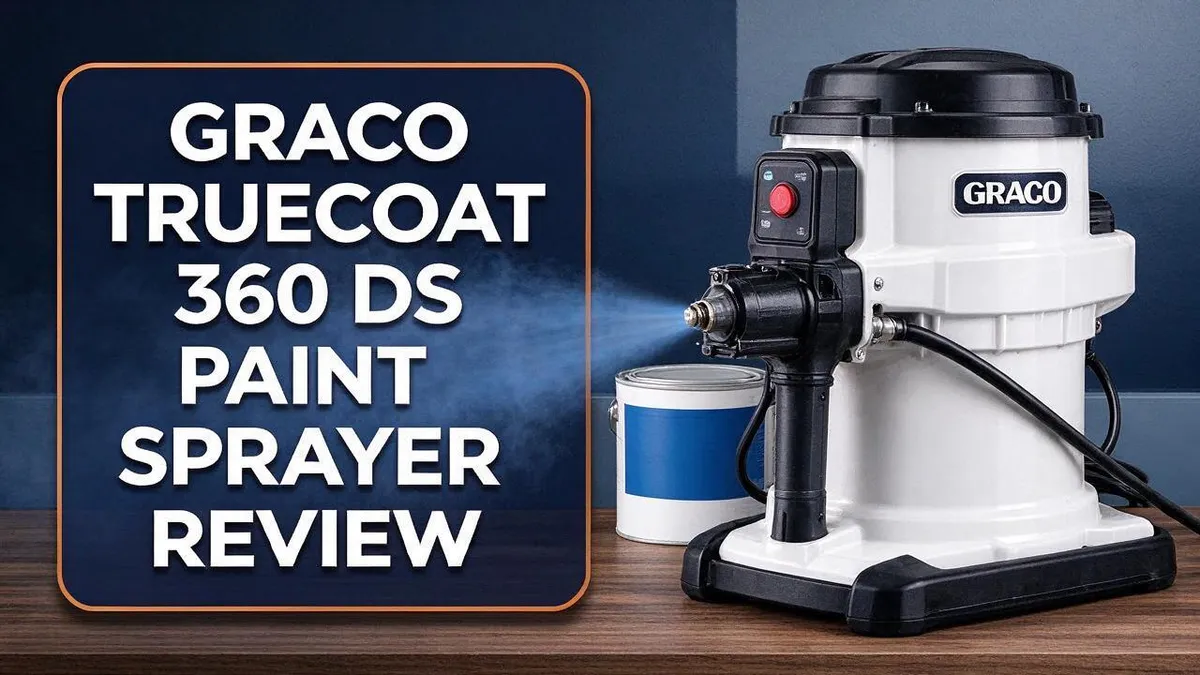
Today we take a close look at the Graco TrueCoat 360 DS. This electric handheld airless sprayer is built for home projects. It uses dual speed technology, so you can switch power levels as needed.
Many DIY painters like it for small jobs. Think doors, trim, and furniture. It is light, simple to set up, and sprays unthinned paint fast. Some users also report a smooth finish.
Still, it has a few quirks. The paint cup is small, so refills happen often. Some owners also mention pump issues. Keep reading to see how it performs and whether it fits your next project.
In a Nutshell
-
Setup feels simple, but skill matters. New users can get the sprayer running quickly. Good results still take practice, so test your technique before tackling a big wall.
-
Thinning is a gray area. One manual says not to thin the paint, while another says some paints may need it. Check your paint label and test on scrap material first.
-
The small cup means more stops. You will refill often, so plan your work in short, manageable sections.
-
Speed affects the finish. Moving too fast can cause spitting or washboard lines. Keep a steady, even pace for the cleanest coat.
-
Cleanup is a quick win. Users report that cleaning up takes about 10 minutes, which helps when you finish a project late in the day.
-
Compare it with close rivals. Shoppers often look at the Graco X5, Wagner sprayers, and the Graco Cordless Connect. Reddit users disagree on the X5, so read a few reviews before you decide.
Build and Design

- Perfect for DIYers looking for a fast and easy alternative to brushes and rollers to quickly...
- Ideal for projects up to 2 gallons in size, allowing you tackle a range of projects every year

Last update on 2026-10-26 / Affiliate links / Images from Amazon Product Advertising API Some of the links on this website are affiliate links, which means that at no additional cost to you, I earn a commission if you click through and make a purchase. I only recommend products and services that I believe will add value to my readers. Thank you for your support!
The Graco TrueCoat 360 DS feels light in your hand. Its compact body makes it easy to hold for long stretches. This matters most when you paint ceilings or high trim.
Balance plays a big role in comfort. A light tool keeps your wrist relaxed. You can move it in smooth arcs without strain.
Ergonomics go beyond weight. Grip angle and trigger pull shape how tired your hand feels after an hour. Take short breaks to rest your fingers and shoulders.
The size also suits small spaces. You can carry it from room to room with one hand. It works well for a quick door refresh or a chair makeover.
Visibility is another design angle. A clear view of the spray pattern helps you control the edges. Stand a steady distance from the surface to see each pass.
Build quality tells a mixed story. The unit is listed as residential grade. This means it fits home projects well, but heavy daily use may wear it down. Think about how often you plan to spray before you commit.
Pump reliability deserves attention. Some owners report pump problems over time. Inspect the pump after each session. Good care can extend the life of the tool.
Storage also counts. Keep the sprayer in a dry spot between jobs. Dust and paint residue can build up in small gaps and slow the tool down.
Handle the sprayer with care during transport. A bump can knock small parts out of place. A gentle grip and a padded case protect your investment.
Your choice should match your workload. Light users may find the build more than enough. Frequent painters may want a sturdier option.
Ultimately, build and design shape your daily experience. Comfort, durability, and easy handling all play a role. Weigh each factor against your plans.
Spray Performance and Finish
The spray result often decides whether a project feels worth the effort. The Graco TrueCoat 360 DS offers a pressure range from 1800 to 3000 psi. That range gives you room to adjust for different paints and surfaces.
Start low and test first. Lower pressure works well for thin coats on trim and furniture. Higher pressure helps when the paint feels heavier.
Tip choice also shapes the finish. The tip range from .015 to .021 lets you match the tip to the material. Check the tip size on the label before you start. A smaller tip gives finer lines, while a larger tip moves more paint across a wall.
Test spray on cardboard before you touch the project. This simple step shows you the pattern, the fan width, and any thick droplets. You can adjust the pressure or tip before the first coat goes on.
Distance changes the result too. Hold the gun about 10 to 12 inches from the surface. Keep it square so the pattern lands evenly.
Overlap matters on large flat areas. Overlap each pass by about half the fan width. This habit fills gaps and prevents striped lines.
Thick coats can cause sags. Light, even layers dry smoother than one heavy pass. Two thin coats usually look better than one thick coat.
Finish quality also depends on the surface. Smooth wood, primed drywall, and clean metal take paint well. Dusty or greasy surfaces can leave bumps and uneven sheen.
Room conditions matter as well. Paint flows better in mild temperatures. Cold or humid rooms can slow drying and change how the finish looks.
Good lighting helps you spot problems early. Check your work from a few angles while the paint is wet. Fix small runs right away before they dry.
In short, the TrueCoat 360 DS can deliver a smooth look. Your results improve with practice, careful testing, and steady technique. Clean lines and smooth coats reward patience, so take your time.
Setup and Ease of Use
Start by laying every part on a clean table. Check the spray tip, the cup, the hose, and the power cord. Missing parts cause frustration later.
Give the sprayer a clear workspace. Pick a spot near a power outlet. Set up a drop cloth and keep the area ventilated. A tidy room makes the setup feel calm.
Read the paint label first. Look for mixing and viscosity notes. These details shape how you set the sprayer before you fill the cup.
Fit the tip with care. Seat the tip and guard firmly. Loose parts can leak or create uneven fan patterns. Tighten them by hand first, then check the seal.
Fill the cup slowly. Pour paint in small amounts. Wipe the rim so the lid seals well. Dried paint on threads can cause leaks and wasted time.
Flush the lines before the real job. Follow the flushing steps in your manual. This clears dust and leftover residue from the hose and tip.
Check the hose before every session. Look for cracks or kinks. A quick inspection prevents surprises when the pressure rises during spraying.
Learn the trigger rhythm. Press the trigger before the tip reaches the surface. Release it after you pass the edge. This habit keeps your work clean.
Create a simple session routine. Check connections, fill the cup, and run a quick test. Doing these steps in order saves time and keeps setup smooth.
Mark your settings for next time. Write down the pressure level and tip size you used. Notes save time and help you repeat good results on future jobs.
Keep a small kit nearby. Add a rag, gloves, and a spare cup lid. Having these items close by keeps the setup steady.
Store the parts together. Keep the tip, guard, and cup in one bag. Organized parts make your next setup faster and less stressful.
Setup gets easier with each use. Your routine grows smoother after a few projects. Patience pays off as your hands learn the process.
Top 3 Alternatives
Wagner Flexio 590

- HIGH-PERFORMANCE HVLP PAINT SPRAYER – The Wagner FLEXiO 5000 HVLP Paint and Stain Sprayer delivers...
- SPRAY UNTHINNED PAINTS & STAINS – Powerful X-Boost turbine sprays most unthinned latex and...
Last update on 2026-10-21 / Affiliate links / Images from Amazon Product Advertising API Some of the links on this website are affiliate links, which means that at no additional cost to you, I earn a commission if you click through and make a purchase. I only recommend products and services that I believe will add value to my readers. Thank you for your support!
The Wagner Flexio 590 is a handheld sprayer with a flexible hose. It works well for small projects like furniture, cabinets, and trim. You can switch between thin and thick paints with ease. The hose lets you reach tight corners without moving your whole body.
Many DIYers like its soft spray pattern. It gives a smooth finish with less overspray. Cleanup takes little time, so you can start your next coat sooner.
Wagner Control Spray

- HVLP STAIN SPRAYER FOR DECKS, FENCES & OUTDOOR PROJECTS – The Wagner Control Spray QX2 HVLP stain...
- FASTER THAN A BRUSH WITH A SMOOTH FINISH – Delivers a smooth, consistent finish without brush...
Last update on 2026-10-26 / Affiliate links / Images from Amazon Product Advertising API Some of the links on this website are affiliate links, which means that at no additional cost to you, I earn a commission if you click through and make a purchase. I only recommend products and services that I believe will add value to my readers. Thank you for your support!
The Wagner Control Spray feels light in your hand. It suits people who want a simple tool for touch-ups and medium jobs. Its adjustable pattern lets you pick a wide fan or a narrow stream.
Good control makes a big difference. You can cover walls, doors, and fences without much fuss. Beginners often find it easy to learn, and it helps you build confidence fast.
HomeRight Super Finish

- Life changing paint sprayer: this paint sprayer requires less thinning compared to finish max or...
- Easy to use for eager Painters: fast and easy setup, multiple spray settings and quick cleaning make...
Last update on 2026-10-21 / Affiliate links / Images from Amazon Product Advertising API Some of the links on this website are affiliate links, which means that at no additional cost to you, I earn a commission if you click through and make a purchase. I only recommend products and services that I believe will add value to my readers. Thank you for your support!
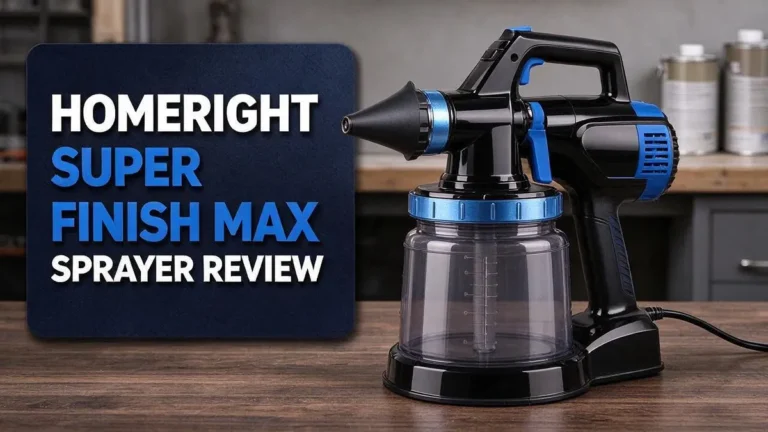
The HomeRight Super Finish focuses on fine detail work. It helps you create a smooth, even coat on furniture and cabinets. Many users choose it for projects that need a clean, polished look.
Tip: Test the spray pattern on cardboard first. This quick step helps you avoid drips and heavy spots. Practice makes the final result look much better.
Cleanup and Maintenance
Clean the sprayer right after every job. Dried paint can clog the tip and strain the pump, so do not wait until the next day. Many users report that a full cleanup takes about 10 minutes, which makes it easy to finish before the paint sets.
Start by emptying the paint cup. Pour leftover paint back into its original can. Then scrape the cup walls with a plastic spatula so no thick bits stay behind.
Rinse the cup and the suction tube next. Use cleaning fluid that matches your paint type. Water works for water based paint, while solvent is needed for oil based paint.
Run clean fluid through the spray system. Point the tip into a waste bucket. Let the fluid flow until the spray looks clear.
Pay attention to the tip and guard. Remove them and soak them in cleaning fluid. Use a soft brush to clear the openings. Never use a metal pin, because it can scratch the tip.
Wipe the outside of the unit with a damp cloth. Paint splatter around the trigger and handle can harden over time, so wipe these spots every time.
Use fresh fluid for the final rinse. Used solvent often holds tiny paint particles that can leave residue on your next project.
Watch for clues that something needs attention. A sputtering spray or uneven pattern often points to a partial clog. Stop and clean again before you blame the machine.
Dry the parts before you reassemble them. Trapped water can dilute your next batch of paint and cause odd spotting on the surface.
Keep a small maintenance log. Write down the date, the paint type, and any problems you notice. Over time, this log shows patterns, such as which paints leave more residue.
Plan your cleanup before you start painting. Keep rags, cleaning fluid, a bucket, and a brush within reach. A ready kit makes the process faster and less stressful.
Pros and Cons
Pros
- Light enough to hold for long stretches.
- Setup takes little time out of the box.
- Handles unthinned paint with ease.
- Gives a smooth look on flat surfaces.
- Many users say the unit feels simple to run.
Cons
- The small cup means you refill often.
- Some owners report pump problems.
- Moving too fast can cause spitting or washboard lines.
- New users need practice before results look right.
Who Should Buy It
The Graco TrueCoat 360 DS suits a certain kind of painter. It works best for people who tackle small projects around the house.
Homeowners who want a quick refresh will likely like this model. The compact frame makes it easy to move from room to room.
Weekend DIY fans also gain a lot here. Many users say cleanup takes about 10 minutes, which keeps the post-paint routine short.
Renters and apartment dwellers often find this sprayer handy. It fits into small closets and tight workspaces without much effort.
Professional painters should look elsewhere. The unit is listed as residential grade. Crews that spray whole rooms every day may prefer a heavier machine built for steady use.
Shoppers who plan long sessions should keep a backup plan ready. Some buyers compare this model with the Graco X5 or Wagner sprayers before they decide.
Relaxed schedules suit this sprayer better than rushed deadlines. Slow, steady progress gives you room to learn the tool and check your results.
Bottom line: if your projects stay small and your timeline stays flexible, this model may be a strong match for your needs.
Final Verdict
After weighing the facts, we think the Graco TrueCoat 360 DS earns a spot on your shortlist. It performs best on small, careful projects.
Before you buy, compare it with other popular options. The Graco X5 gets recommended often on Reddit. However, some posts say it wastes paint, so weigh both carefully.
Wagner sprayers also come up often in shopper comparisons. Look at their spray patterns and cleanup steps too. Side by side tests tell you more than specs alone.
The Graco Cordless Connect also appears in a DIY review video. Watching a real test can show how each model handles your kind of surface. Compare the results before you decide.
Thinning remains an open question. One manual says never thin the paint. Another says your material may need it. Always check your paint label first.
Check your surfaces first. Smooth walls, doors, and cabinets tend to suit this model well. Rough textures may need more passes and patience.
Test before you commit. Spray a scrap board with your chosen paint. Adjust your speed and distance until the pattern looks even.
Droplets can look thick on some surfaces. Watch for heavy spots near edges. Light coats often look cleaner than one heavy pass.
Plan your work in smaller zones. Break each room into sections. This keeps refills simple and helps you keep a steady rhythm.
Keep notes on each session as well. Write down the paint used, the tip size, and the results. These notes help you tune your method over time.
Choose this sprayer for the right jobs. It suits quick refreshes, trim, doors, and furniture. Larger projects may call for a different tool.
Your paint choice matters too. Test a few colors and finishes before you start. Some products need different handling, so read each can carefully.
Final thoughts: the Graco TrueCoat 360 DS offers a practical option for light work. Give it a fair trial, and you will know quickly if it fits your plans.
Frequently Asked Questions
What kind of paint works best in this sprayer?
Thinner latex paints usually spray most smoothly. Match your tip to your paint thickness. The tip range runs from .015 to .021, so test a few options on scrap material first.
How long does cleanup take?
Many users report cleanup takes about 10 minutes. Rinse the cup and hose right after each session. Dried paint causes most of the trouble later on.
Which tip size should I choose?
A mid range tip often works well for walls and doors. Pick a smaller tip for trim and fine details. A larger tip suits rougher surfaces, but it may spray heavier coats.
Can I use this sprayer outdoors?
Outdoor work can succeed on calm days. Wind can blow mist onto plants, cars, and nearby walls. Cover everything around your project with drop cloths.
How does it compare with the Graco X5?
The Graco X5 comes up often in Reddit threads. Some posts praise it, while others say it wastes paint. Read recent reviews of both models before you decide. Compare how each one handles your specific project.

Hi, I’m Amelia Thornton, the founder of ElectroPro.blog.
I write about smart devices, gadgets, electronics, and tech essentials from Amazon.
My goal is to help you discover reliable and innovative tech that truly makes life easier.
From home automation to everyday gear, I test and share what’s worth your investment.
Join me as I explore the smartest tech trends—one gadget at a time.