Wagner FLEXiO 3500 Paint Sprayer Review: Speed, Finish, and Who It’s Best For
Tired of brushing one wall at a time? Many homeowners feel the same way. They want a quicker path to a smooth finish.
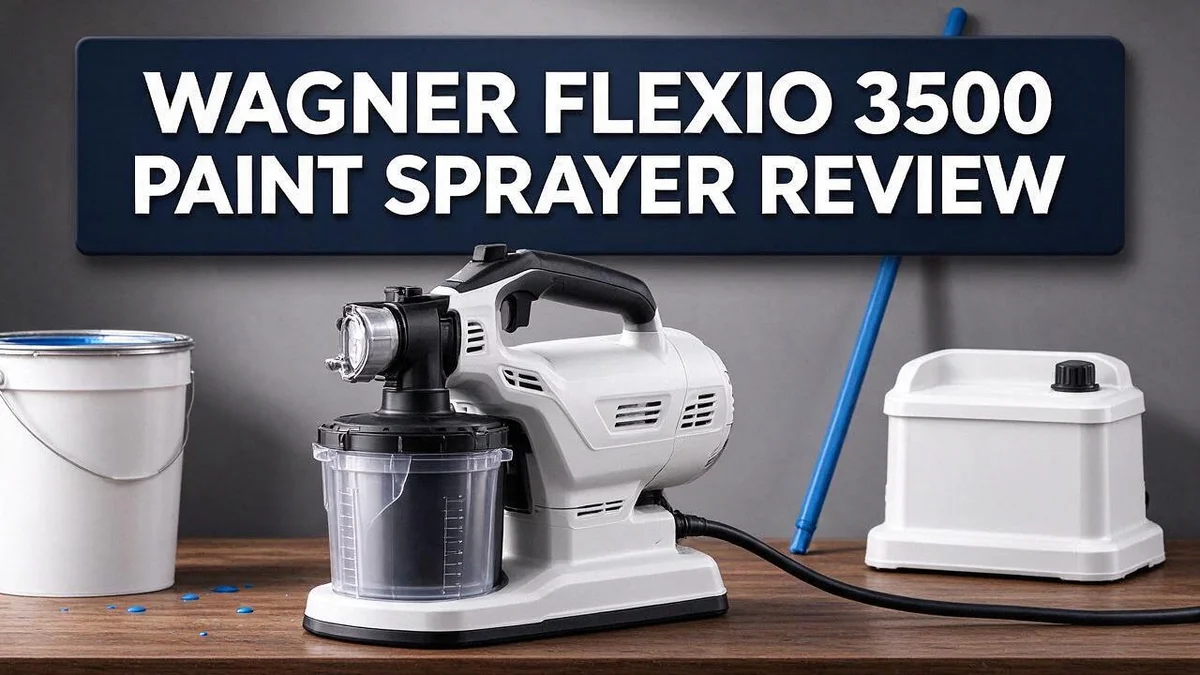
The Wagner FLEXiO 3500 is an electric handheld HVLP sprayer. It handles unthinned paints and stains. Wagner claims it works up to 10X faster than a brush.
Users often praise its fast, consistent results on both interior and exterior surfaces. Many also say it feels easy enough for beginners.
Still, this sprayer has drawbacks. Some reviewers say its finish does not match premium airless models. Refilling can also get messy, since you pour paint into the vessel.
In this review, you will see what the FLEXiO 3500 does well and where it falls short. By the end, you will know if it fits your next paint project.
In a Nutshell
Here is what you need to know about this sprayer at a glance:
- Speed claim: Wagner says the FLEXiO 3500 can coat surfaces up to 10X faster than a brush. Your real results depend on project size and skill level.
- Easy start: Video reviewers often call it a good pick for beginners who want to try spraying.
- No thinning step: One user reports that you can spray unthinned paint, which saves prep time.
- Messy refills: You must pour paint into the vessel during a job, and spills can happen during this step.
- Finish gap: One reviewer feels it does not match the top finish quality of Graco airless sprayers.
- Model family: Wagner also sells the FLEXiO 3000, the FLEXiO 595, and the 18V cordless FLEXiO 3550 for comparison.
Spray Speed and Application Performance

- PERFECT FOR A VARIETY OF PROJECTS: The FLEXiO 595 paint sprayer is great for applying a superior...
- TWO NOZZLES INCLUDED: iSpray nozzle is ideal for spraying larger jobs such as walls, ceilings and...

Last update on 2026-10-26 / Affiliate links / Images from Amazon Product Advertising API Some of the links on this website are affiliate links, which means that at no additional cost to you, I earn a commission if you click through and make a purchase. I only recommend products and services that I believe will add value to my readers. Thank you for your support!
Speed matters most on large flat walls, ceilings, and fences. However, your technique often sets the real pace. Keep the nozzle about the same distance from the surface on every pass.
Steady passes beat fast passes. Move your arm in smooth, even strokes. Overlap each pass by about half. This keeps coverage even and stops stripes from forming.
Trim and corners need a slower approach. Spray at a lower speed so the paint does not run. Then switch to a brush or roller only if you need extra control.
Drying time shapes your workflow too. Check the paint can for recoat times before you start. Spray one room, then move to the next while the first one dries.
Practice on cardboard first. A few test passes help you find the right rhythm. You learn how much paint lands on the surface before you touch a wall.
Plan your sections before you start. Divide each wall into manageable blocks. Finish one block at a time, then move on. This habit keeps your pace steady and reduces missed spots.
Wind and open doors can scatter fine mist. Close windows and cover nearby furniture with drop cloths. A calm room helps the paint land exactly where you aim it.
Cleanup is part of the job too. Rinse the sprayer right after use so paint does not dry inside the parts. A quick routine keeps your next session fast and smooth.
Lighting also affects how you judge your work. Use a work light held at an angle to spot thin areas. Fixing gaps while the paint is wet saves you a second pass later.
Think about surface type. Smooth drywall takes paint differently than rough wood or textured masonry. Test a small patch first and watch how the coat builds.
Paint Loading and Refilling Experience
Refilling is a normal part of every spraying job. You will stop often to top off the cup. A few simple habits make this step much smoother.
Stir before every pour. Paint settles over time, so pigment can sit at the bottom. Stir the can well before you pour. This keeps your color even from start to finish.
Fill the cup only halfway. A half full cup is easier to carry and less likely to spill. It also gives you more control when you tilt the sprayer. Small, frequent refills work better than one heavy fill.
Pour over a tray or drop cloth. Set the can on a stable tray during each refill. Drips land on the tray instead of your floor. Keep a dry rag nearby to wipe the cup rim.
Refill at a natural pause. Refill when you finish one wall section or move to a new area. A sputtering cup can cause patchy lines. Plan these breaks before you lift the sprayer.
Strain the paint first. Lumps and dried skins can clog the nozzle. A quick strain through a mesh bag saves time later. Clean flow means fewer stops during each pass.
Watch the cup level. Glance at the cup during long passes. Low paint can change the spray pattern. Refilling early keeps your rhythm steady and your finish even.
Clean the cup right after use. Wet paint dries fast on the rim and inside the cup. Rinse or wipe it before you stop. Clean parts make your next refill much easier.
Mix only what you need. Pour a small amount into a separate bucket for each session. Leftover paint in a large can can skin over. Smaller batches also reduce waste.
Ask a friend to help. A second person can hold the tray and hand you a rag. This extra hand cuts down on stops. Teamwork makes big jobs feel lighter. Good habits turn refilling into a quick break.
Finish Quality and Surface Coverage
Many readers want to know how smooth their walls will look. The finish you get depends on more than the sprayer alone. Your technique and paint choice shape the final look.
Light coats build better coverage. Apply two or three thin layers instead of one heavy coat. Thin layers dry evenly and reduce sagging. Heavy coats often look blotchy once they dry.
Overlap each pass by about half. Each stroke should cover part of the last one. This habit prevents light stripes. Gaps often appear only after the paint dries.
Start with the edges. Spray trim, corners, and edges before the large open areas. Then blend those sprayed edges into the main surface with a brush or roller. This step hides the mist line.
Plan for an extra coat. Expect a slightly different look than top airless models can deliver. Most rooms need a second coat for deep color. Give each coat enough time to dry before you add more.
Drips show up on heavy spots. Watch for paint that pools near the bottom of a wall. Keep the sprayer moving to avoid this problem. Wipe away small runs right away.
Choose sheen with care. Flat sheens hide small flaws well. Glossy sheens show every bump and stroke mark. Test your paint on a scrap board before you commit to a full room.
Check coverage from different angles. Step back and view the wall from the side. Missed spots stand out more at an angle. Touch them up while the paint stays wet.
Paint with strong hiding power covers stains and old colors in fewer coats. Read the label carefully before you start. A good finish takes patience, so work in small sections and rest between coats. Your walls will look smoother and more even over time.
Top 3 Alternatives
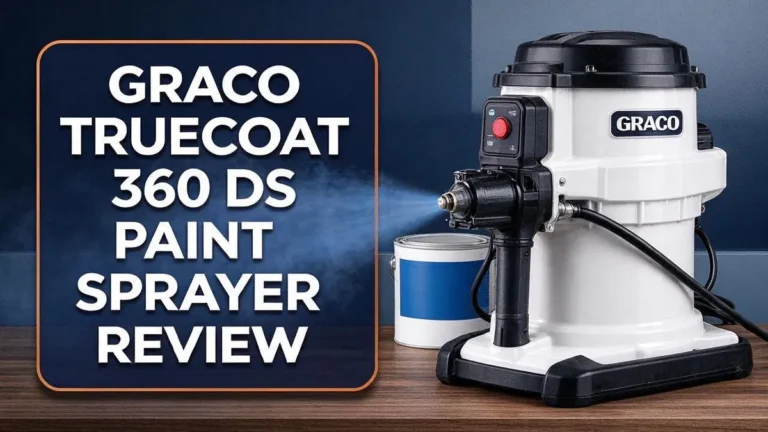
Graco TrueCoat 360

- Perfect for DIYers looking for a fast and easy alternative to brushes and rollers to quickly...
- Ideal for projects up to 2 gallons in size, allowing you tackle a range of projects every year
Last update on 2026-10-26 / Affiliate links / Images from Amazon Product Advertising API Some of the links on this website are affiliate links, which means that at no additional cost to you, I earn a commission if you click through and make a purchase. I only recommend products and services that I believe will add value to my readers. Thank you for your support!
Looking for a sprayer that handles walls and trim with ease? The Graco TrueCoat 360 is a strong choice. It sprays in a full circle, so you can paint from any angle without turning the tool around.
Many homeowners love its simple setup. You fill the cup, plug it in, and start painting in minutes. Its tip helps you cover large rooms fast and keeps lines neat.
Cleanup is quick, too. Most parts rinse clean with water, which saves time after each project.
Wagner Control Spray

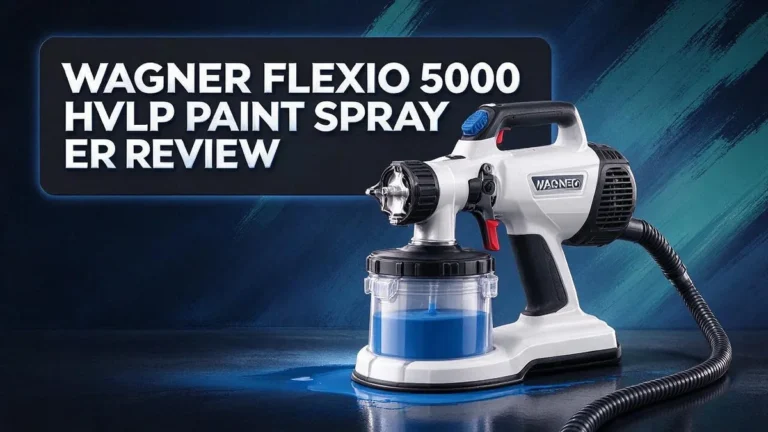
- HVLP STAIN SPRAYER FOR DECKS, FENCES & OUTDOOR PROJECTS – The Wagner Control Spray QX2 HVLP stain...
- FASTER THAN A BRUSH WITH A SMOOTH FINISH – Delivers a smooth, consistent finish without brush...
Last update on 2026-10-26 / Affiliate links / Images from Amazon Product Advertising API Some of the links on this website are affiliate links, which means that at no additional cost to you, I earn a commission if you click through and make a purchase. I only recommend products and services that I believe will add value to my readers. Thank you for your support!
Want a lighter option for small jobs? The Wagner Control Spray gives you good control over every stroke. It works well for furniture, cabinets, and craft projects.
Its trigger and spray settings are easy to adjust. You can switch between fine detail and wider coverage without much fuss. The unit feels comfortable in your hand during long sessions.
Keep in mind that it suits smaller areas best. Big walls may take more time.
Graco Magnum X5

- Just right for DIY Homeowners and Remodelers looking for more power and mobility when tackling...
- Ideal for projects up to 10 gallons in size, allowing you tackle multiple projects every year
Last update on 2026-10-21 / Affiliate links / Images from Amazon Product Advertising API Some of the links on this website are affiliate links, which means that at no additional cost to you, I earn a commission if you click through and make a purchase. I only recommend products and services that I believe will add value to my readers. Thank you for your support!
Need more power for bigger projects? The Graco Magnum X5 is built for heavy coverage. It handles thick paints and stains with steady pressure.
Pros often choose it for exterior walls and fences. The adjustable tip lets you dial in the spray pattern for each surface. Cleanup takes a bit more effort, but the results make the work worthwhile.
Overall, each of these three sprayers fits a different need. Pick the one that matches your project size and your comfort level.
Best Projects and Surfaces to Spray
The Wagner FLEXiO 3500 works best on projects where speed matters most. It suits jobs with lots of open space and a finish that does not need to look flawless up close.
Whole room repaints are a strong match. Ceilings, large open walls, and hallways all go faster than they would with a brush.
Exterior fences and sheds also make good targets. Unthinned stains flow through the sprayer, so you can coat long boards in less time.
Garden furniture and patio chairs are another smart choice. The sprayer reaches slats and spindles that a brush often misses.
Small touch ups rarely need a sprayer. A brush or small roller often works faster for a few scuffs or a single chipped spot.
Outdoor siding and garage doors offer wide, flat areas. Long, steady sweeps cover these surfaces quickly. Work from top to bottom so any drips fall onto areas you have not coated yet.
Hard to reach spots also make sense. Think about the back of a fence, the underside of a deck rail, or interior shelving.
Masking takes time, but it protects your home. Cover windows, doors, plants, and light fixtures before you start. Overspray travels farther than most people expect.
Measure before you spray. Write down the square footage of each surface. This helps you plan how many sessions you need and how often you will refill.
Weather and season matter too. Pick a dry day with mild temperatures for outdoor projects. Paint behaves best when the air is calm and warm.
Who this sprayer suits is a good question too. Beginners who want quick results often feel comfortable with it. Pros who need a flawless finish may still choose an airless model.
Cleanup and Maintenance Considerations
Cleaning the sprayer well takes more care than cleaning a brush. Dried paint can build up inside the tip and hose fittings. Skipping this step can leave you with a weak spray pattern on your next project.
Unplug the unit first. Always turn off and unplug the sprayer before you touch any part. This keeps you safe while you handle wet parts and solvents.
Flush with the right fluid. Use water for water based paints. Use the solvent the paint maker recommends for oil based products. Run clean fluid through the system until the liquid comes out clear.
Clean the tip by hand. Remove the tip and rinse it under running water. Use a soft brush to clear paint from the opening. Avoid metal wire, since it can scratch the tip and change the spray pattern.
Wipe down the outside. Paint splatter often collects on the body, handle, and trigger. Use a damp cloth and keep moisture away from the motor vents. Let every part dry fully before you store the unit.
Check the filter screen. Small paint bits can collect in the filter. If your model has a filter screen, remove it and rinse it clean. A clear filter keeps the flow steady and reduces strain on the motor.
Store the sprayer with care. Keep the unit in a dry place at room temperature. Loop the hose loosely so it does not kink. Place the tip in a sealed bag to keep dust out.
Build cleanup into your plan. Many people rush this step after a long day of painting. Give cleanup its own time slot in your schedule. Twenty careful minutes now can save hours of trouble later.
Pros and Cons
Pros
- It sprays unthinned paints and stains, so you skip the mixing step.
- Wagner claims it paints up to 10X faster than a brush.
- It gives a consistent look on indoor and outdoor surfaces.
- Beginners can pick it up with little practice.
- It covers large, flat areas with speed and ease.
Cons
- Refilling means pouring paint into the cup, which can get messy.
- Finish quality does not match top Graco airless sprayers.
- Long jobs slow down because of frequent refills.
Who Should Buy It
Not every painter needs this sprayer. Some people will get far more from it than others. Here is a closer look at who fits best.
Busy homeowners with limited free time often fit well here. They can finish a room in one session and get back to family plans. The sprayer helps them keep weekends open for rest.
Frequent DIY painters who tackle several projects each year also benefit. Over time, the sprayer becomes a regular part of their toolkit. Every new project feels easier to start.
Landlords and property managers who refresh units between tenants may find it useful. Empty rooms can get fresh walls in less time. That means fewer days with empty units sitting on the market.
Hobbyists who refinish indoor furniture often appreciate a steady, controlled spray. Chairs, cabinets, and shelves can get an even coat with less fuss.
People who want a middle ground between a brush and a large professional rig may like this model. It needs less setup than heavier equipment. It still feels approachable for a first sprayer.
On the other hand, professional painters chasing the very best finish may want a Graco airless instead. Serious contractors often need that extra polish on every job.
Think about the surfaces you paint most. If your projects involve large, flat walls, the speed gain matters more. If you mostly work on trim and small details, a brush may still serve you well.
Also consider your comfort with equipment. Some people enjoy tinkering with tools. Others prefer simple gear that works without fuss. Pick the option that matches your style.
Before you decide, think about your time and space. Ask how many hours you want to spend painting each month, and how much room you have to store your gear. A clear answer makes the choice much easier.
Final Verdict
The Wagner FLEXiO 3500 earns a strong spot on the shortlist for most home painting jobs. It is an electric handheld HVLP sprayer made for unthinned paints and stains. You can skip the mixing step and start faster.
Think of it as a practical middle ground. You get much more speed than a brush. You also avoid the setup and size of a large professional rig.
Your project list should guide the decision. A single room refresh and a full exterior fence are very different jobs. This sprayer shines on wide, flat areas where steady coverage matters most.
Be honest about the downsides. Refilling takes time on long days, and the pouring can get messy. If you want the very best finish on every surface, a Graco airless may serve you better.
The wider Wagner lineup also deserves a look. The FLEXiO 3000 and FLEXiO 595 offer alternatives in the same family. The FLEXiO 3550 adds an 18V cordless design for people who want freedom from a power cord.
Start with one small test project. Spray a scrap board or a closet door first. This quick check shows how the paint flows from your setup. It also helps you judge the finish before you tackle a big wall.
Measure your space before you buy supplies. Accurate measurements help you estimate how much paint you need. Fewer trips to the store keep your project moving.
Overall, this sprayer offers a practical blend of speed and simplicity for everyday painting. It may not win every contest for finish quality. For many homeowners, though, it wins on convenience.
Bottom line: the FLEXiO 3500 suits people who value speed, ease, and a clean, even look over perfection. Match the tool to your surfaces, your skill level, and your free time. Then you can paint with confidence.
Frequently Asked Questions
Can I spray walls and ceilings with it?
Yes, it works on both flat walls and ceilings. Keep the nozzle moving in even passes. Overlap each pass slightly to avoid visible stripes.
How much masking do I need before spraying?
Spray mist travels farther than a brush drip. Cover floors, trim, windows, and furniture with drop cloths and painter’s tape. Masking often takes longer than the spraying itself, so plan extra time for this step.
Do I need a mask or good airflow?
Yes. Open windows and run a fan to move fumes out of the room. Wear a respirator rated for paint vapors and safety glasses. Good airflow keeps you safer and helps coats dry more evenly.
Why does my spray pattern look uneven?
Uneven spray usually comes from holding the gun at an angle or moving too fast or too slow. Test on cardboard first to find a steady rhythm. Once the pattern looks even, move to the real surface.

Hi, I’m Amelia Thornton, the founder of ElectroPro.blog.
I write about smart devices, gadgets, electronics, and tech essentials from Amazon.
My goal is to help you discover reliable and innovative tech that truly makes life easier.
From home automation to everyday gear, I test and share what’s worth your investment.
Join me as I explore the smartest tech trends—one gadget at a time.