Rockler Pro Phenolic Router Table Review: Features, Fence, and Shop Fit
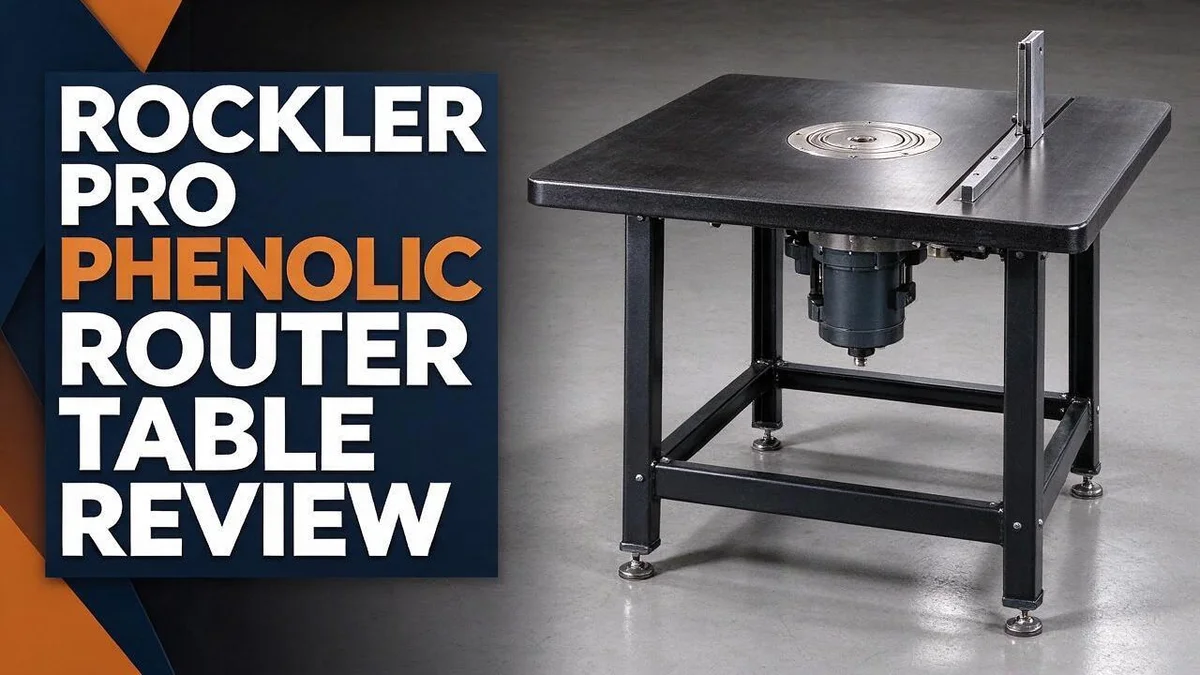
Are you looking for a router table with a smooth, stable work surface? The Rockler Pro Phenolic Router Table could be the right fit.
This table features a single 3/4 inch solid phenolic top. Phenolic gives you a slick surface that helps your stock glide with ease. The top comes in sizes from 16 by 24 inches up to a generous 24 by 32 inches.
Here is what makes it stand out. It includes Router Plate C and a signature fence with precise adjustments. Many users say it feels sturdy and accurate. Some also mention that it takes up plenty of shop space.
In this review, you will learn how it performs, what it does well, and where it falls short. Keep reading to see if it suits your workshop.
In a Nutshell
Big work surface: The top measures 24 by 32 inches, giving you over 5 square feet of room. Smaller line sizes start at 16 by 24 inches.
Tough and smooth: A 2023 review roundup describes the phenolic surface as durable and functional. It stays smooth for everyday routing.
Precise metal plate: The 2012 redesign added a CNC machined aluminum plate. This gives the router a steady, accurate base.
Helpful dust control: A woodworker on Reddit called the dust collection decent and the table sturdy and accurate. Good dust control keeps your shop cleaner.
Insert size limits: Some users say the insert sizes feel proprietary. Check that your bits and inserts fit the system first.
Space needs: The large footprint takes up a lot of floor space. Small shops may prefer a folding or portable table instead.
Tabletop and Build Quality

- Precision Phenolic Router Table Top: A unique, innovative routing table top that allows you to cut...
- Smooth-Cutting Tabletop Router Table: This is a one-piece woodworking table top with a 10-point...
Last update on 2026-11-18 / Affiliate links / Images from Amazon Product Advertising API Some of the links on this website are affiliate links, which means that at no additional cost to you, I earn a commission if you click through and make a purchase. I only recommend products and services that I believe will add value to my readers. Thank you for your support!
Think about how the tabletop feels under your hands. A flat, stable surface makes every cut more accurate. Flatness matters most. Before you start, lay a straight edge across the top and check for gaps.
Phenolic handles humidity better than many wood tops. It will not swell or warp when the shop air changes.
Wax is your friend. A light coat of paste wax helps workpieces slide smoothly. Wipe it on, let it dry, then buff it off. Reapply it every few weeks when you use the table often.
Clean the surface after each project. Sawdust and resin can build up around the router opening. Use a soft brush or a damp cloth, then dry the top fully.
Look at how the top fits the base. A solid top sits on a frame, so check that all mounting screws stay tight. Loose hardware can shift the surface over time.
Leveling matters too. Place the table on a level floor. Adjust the feet if your shop slopes. A level top keeps your fence square to the table.
Edges deserve attention. Feel for sharp corners or rough spots on the outer edge. Light sanding with fine paper will smooth them. This protects your hands when you slide stock across.
Consider how you will use the surface for heavy work. Routing large panels puts weight on the top. A sturdy frame keeps the top from flexing under pressure.
Check the opening for clean lines. The router opening should sit square and fit your plate without wobble. Test the plate by pressing gently in each corner.
Build quality shows over time. Watch how the top holds up after months of use. Scratches are normal, but deep grooves or cracks signal a problem.
Hands on testing helps most. Visit a store or ask a friend who owns one. Slide a board across the top and feel for drag or bumps.
With a flat and clean top, your router table can serve you for years. Small care steps make a big difference. Keep the surface clean, waxed, and level, and your projects will show the results.
Fence and Micro-Adjustment
The fence guides your workpiece past the bit. A steady fence keeps every cut straight. Here we look at how the fence and its micro adjustment work in daily shop life.
Small turns make big changes. The micro adjustment moves the fence in tiny steps. This helps when you chase a perfect joint. Fine control saves time on test cuts and reduces wasted stock.
Start with a square setup. Before you cut, check that the fence sits square to the tabletop. Use a reliable square and measure at both ends. A fence that tilts even slightly can ruin a clean edge.
Lock the fence after each move. A loose fence can drift during a pass. Tighten the clamps firmly, then make a quick test cut on scrap wood. This habit catches small errors early.
Test on scrap first. Run a few pieces of scrap before you touch your project stock. Adjust in small steps and recheck the cut. Write down the settings that work well for future projects.
Watch for fence movement. Heavy cuts can push the fence out of place. Check the setting after big passes or long rips. A quick measurement keeps your work accurate.
Clean the fence rails often. Dust and resin buildup can slow the slide. A light wipe keeps movement smooth and predictable.
Set the fence before you turn on the router. Make sure the bit spins freely and clears the fence. This simple check prevents surprise contact during your first pass.
Feather boards and push blocks add safety. They keep stock tight to the fence. Combine them with the fence for smooth, controlled feeds.
Your fence setup shapes every cut you make. Take time to learn how it feels in your hands. Steady habits lead to clean joints and safer shop days.
Insert Plates and Compatibility
The insert plate sits inside the table opening. It holds your router and keeps the cutting bit exposed. Think of it as the bridge between your router and your work surface.
The table ships with Router Plate C. This plate suits many common router bases. Router Plate C also works with many popular models from several brands. Some older routers need a different plate size, though.
Start by matching your router base. Flip your router over and look at the mounting screw pattern. Measure the distance between those screw holes with a ruler. Write the numbers on a note card and keep it near your bench.
Many woodworkers own two or three routers. Each one may need its own plate. Plan your plates around the routers you use most often.
Each plate has a small lip that rests on the top. This lip holds the plate level with the surface. Keep the lip clean so the plate seats well.
Handle plates with care. Lift the plate by its edges. Skin oil can cause rust on bare metal. A clean cloth keeps the plate ready for the next project.
Swapping plates takes only a few minutes. Unplug the router first. Then loosen the screws, lift the plate out, and set the new one in place. Tighten the screws evenly so the plate sits level.
A zero clearance insert gives extra support. It fits snugly around the bit and reduces tear out on thin stock.
You can make one from scrap plywood or MDF. Cut the center opening after you mount the plate.
Test the fit before you cut. Set the plate in the table. It should sit flush with the phenolic top. Run your fingertips across the edge to feel for gaps.
Label your spare plates. Store each plate in a bag marked with the router model. This habit saves time on busy days. It also keeps small screws from getting lost.
Your router manual often lists compatible plate sizes. Read that section before you shop for accessories. A few minutes of reading can prevent a frustrating mismatch later.
Top 3 Alternatives
Bosch RA1181

- BENCHTOP ROUTER TABLE DESIGN: This table router features a large aluminum top for extended work...
- RIGID ALUMINUM MOUNTING PLATE: Pre-Drilled router plate for compatibility with a variety of routers...

Last update on 2026-11-19 / Affiliate links / Images from Amazon Product Advertising API Some of the links on this website are affiliate links, which means that at no additional cost to you, I earn a commission if you click through and make a purchase. I only recommend products and services that I believe will add value to my readers. Thank you for your support!
The Bosch RA1181 suits hobbyists who want a simple setup. It gives you a flat work surface and a stable base for everyday projects.
Many users appreciate how easy it is to adjust the fence. This option works well in small shops and home workshops.
Kreg PRS1045

- 24" x 32" router table top includes a router insert plate with three molded Level-Loc reducing rings
- 36" T-square style router table fence features a micro-adjust wheel for precise setups
Last update on 2026-11-18 / Affiliate links / Images from Amazon Product Advertising API Some of the links on this website are affiliate links, which means that at no additional cost to you, I earn a commission if you click through and make a purchase. I only recommend products and services that I believe will add value to my readers. Thank you for your support!
The Kreg PRS1045 focuses on precision and easy setup. Its design helps you make clean, repeatable cuts.
Woodworkers often like how it fits on a standard workbench. It also handles joinery and edge profiling with good control.
Milescraft RouterMate

- Compatible with all trim and compact routers
- The base is compatible with standard 1-3/16″ (30.2mm) diameter bushings
Last update on 2026-11-18 / Affiliate links / Images from Amazon Product Advertising API Some of the links on this website are affiliate links, which means that at no additional cost to you, I earn a commission if you click through and make a purchase. I only recommend products and services that I believe will add value to my readers. Thank you for your support!
The Milescraft RouterMate takes a different approach. It is a compact, portable option.
You can mount it on almost any flat surface. This makes it a smart choice for people with limited space. It also helps beginners learn routing basics without a large investment in equipment.
Footprint and Shop Space Requirements
Measure your space first. The Rockler Pro Phenolic Router Table comes in sizes from 16 by 24 inches to 24 by 32 inches. The largest top covers over 5 square feet of work surface.
Think about the full work zone, not just the tabletop. You need room to stand, turn, and move lumber without hitting walls or machines. Leave clear space on every side.
Your outfeed side matters most. Long boards need support after they pass the bit. A small outfeed table or a roller stand keeps the board level and steady.
Plan for fence swing. The fence extends past the front edge, so give it extra clearance. Check that the fence slides fully without bumping a wall or a tool cabinet.
Many users say the table takes too much shop space. If your room feels tight, consider a smaller size. A 16 by 24 inch model may fit a corner better than the full size top.
Mobility helps too. If you add casters or a rolling base, you can move the table out of the way after each session. Lock the wheels before every cut so the table stays put.
Folding and portable tables offer another path. They store upright against a wall when you finish for the day. This option works well for garage shops that also hold a vehicle.
Some woodworkers prefer a fixed base like the Rockler Trim Router Table. It takes less room than a large top. A router lift from Jessem or Kreg can also mount under a benchtop. Lifts do not form complete tables, so you still need a flat work surface.
Measure twice before you buy. Write down the clear floor space and the distances to each wall. Compare those numbers with the table dimensions. A little planning saves a lot of frustration later.
Pros and Cons
Pros
- A durable phenolic top holds up well over years of use.
- The smooth surface lets boards slide without snagging.
- The sturdy build feels stable during every pass.
- Users often report accurate cuts with this table.
- Dust collection is decent for most home shops.
Cons
- Insert sizes are somewhat proprietary, so finding spares takes effort.
- A large top needs a second person to move it safely.
- Dust collection is only decent, so a shop vac helps during heavy routing.
Who Should Buy It
This table suits serious home woodworkers best. If you route often, a stationary setup saves time. Your hands stay free to guide the stock.
It also fits people who build cabinet doors, frames, or raised panels. These projects need a wide surface and steady control. The large top gives you room to work.
You may also like this table if you already own a router that matches the plate system. Check your current router before you commit. A good match means you start cutting sooner.
Teachers and makers who run classes can benefit too. A sturdy setup handles group sessions across many weeks. Students can share one station without constant changes.
Beginners with a small shop should think twice. The table asks for serious floor space. A compact workshop may feel crowded once the fence swings out.
Hobbyists who route only a few times a year may prefer another option. A portable table or a router lift could meet their needs with less commitment. Lifts also fit into an existing bench.
Choose a fixed base if you want a simpler build. The Rockler Trim Router Table works well for lighter jobs. It keeps the setup smaller and easier to manage.
Shared garages need planning as well. Move the table only when the space allows it. Build your weekly routine around that setup.
Ask yourself three quick questions. Do you have clear space for the full work zone? Do you own a router that fits the plate system? Do you plan to route regularly? If you answered yes to all three, this table deserves a close look.
Final Verdict
The Rockler Pro Phenolic Router Table earns a solid place on any serious woodworker’s shortlist. It combines a stable top with a fence that adjusts with care.
Think of it as a long term station, not a quick helper. It suits a shop where the table stays set up and ready to use.
The final call depends on your shop and your habits. Its strengths show up in build quality and daily routing. Its drawbacks show up in size and parts, and those matter more over the years.
Start by looking at how you work. If you route in long sessions, a fixed setup saves time. If you swap bits often, the CNC machined plate and Router Plate C keep changes simple.
Try a mockup before you commit. Tape the full footprint on your floor or use cardboard boxes. Then walk through a typical cut from start to finish. This quick test shows whether the setup feels natural in your space.
Who should say yes? Owners of a dedicated workshop with room to spare will likely be happy. Makers who build doors, frames, and raised panels get the most from its flat, steady surface.
Who should keep looking? Shoppers who need a compact tool should explore lighter options first. People who route only now and then may find the setup more work than they need.
Look at the total picture too. Consider your router, your bits, your dust gear, and your storage. A table works best when it fits the whole system.
Plan for upkeep as well. Keep a clean bench for bit changes, and store your bits in a labeled case. Good habits keep the table running smoothly for years.
Bottom line: For dedicated woodworkers with the space, this table offers a dependable router station. It rewards careful planning and steady use, and it will likely grow with your skills.
Frequently Asked Questions
What sizes does the Rockler Pro Phenolic Router Table come in?
The top ranges from 16 x 24 inches up to 24 x 32 inches. Measure your largest project first so the top fits your work.
Does the table include a router plate?
Yes, it comes with Router Plate C. Check that your router base matches the plate opening before you start. A good fit makes height changes quicker.
How does the fence help with setup?
The signature fence includes a micro adjust feature. You can dial in small changes for tight joints. These fine tweaks matter when you repeat the same profile on several boards.
Can I use a router lift with this table?
Router lifts from Jessem and Kreg handle height changes from below the table. They do not replace the table itself. Confirm the lift fits your plate and router before you buy.
What should I choose if I need a smaller option?
The Rockler Trim Router Table uses a fixed base and takes up less room. Folding or portable tables also save space. Pick a compact model if your shop feels tight.

Hi, I’m Amelia Thornton, the founder of ElectroPro.blog.
I write about smart devices, gadgets, electronics, and tech essentials from Amazon.
My goal is to help you discover reliable and innovative tech that truly makes life easier.
From home automation to everyday gear, I test and share what’s worth your investment.
Join me as I explore the smartest tech trends—one gadget at a time.