Kreg PRS1045 Precision Router Table Review: Features, Pros, Cons and Verdict
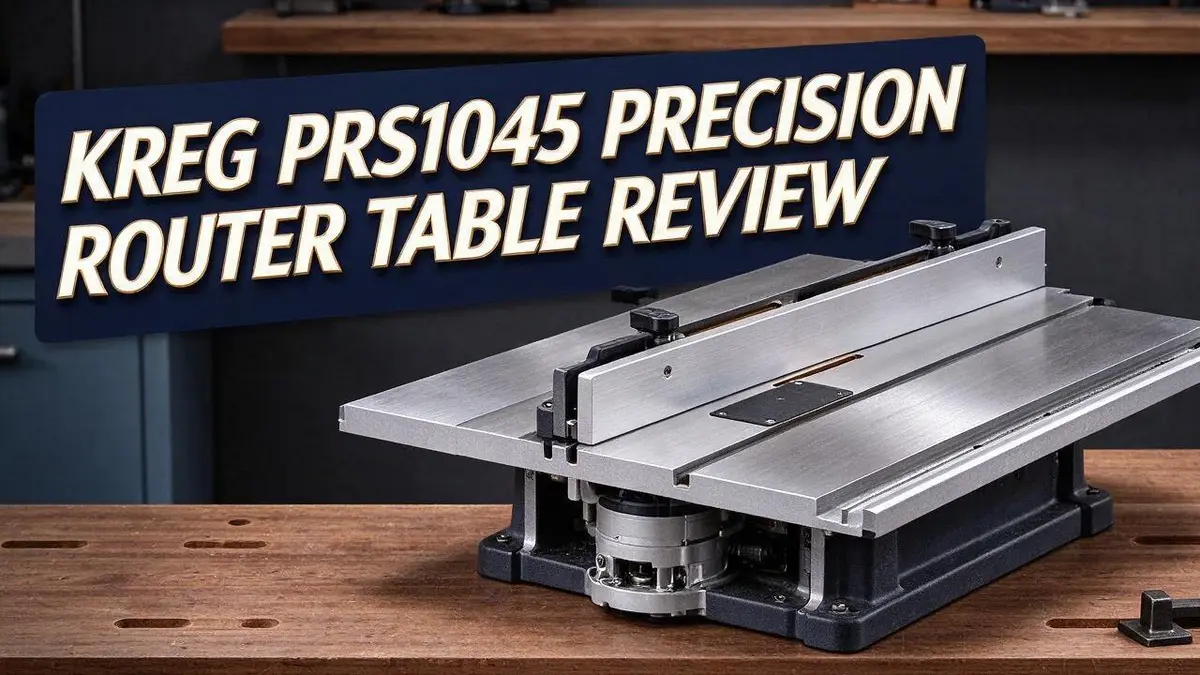
Ready to make cleaner cuts and faster progress in your shop? The Kreg PRS1045 Precision Router Table could be the upgrade you need. It helps woodworkers of all levels finish projects with more ease and precision.
This table has a thick MDF top that measures 1 and 1/16 inches. Its height adjusts from 29 to 35 inches, so you can work at a comfortable level. A heavy steel base keeps the setup steady during long sessions.
Many owners share positive feedback about this model. Some users do mention flatness concerns and trouble getting the fence in line, so it pays to check these points first. Shoppers often compare it with the Bosch benchtop router table, the Kreg BenchTop router table, and the Bench Dog system.
In this review, you will learn what works well, what needs attention, and whether this table fits your workshop.
In a Nutshell
-
Height works for many people. You can adjust the table from 29 to 35 inches. This lets you find a comfortable working position for routing.
-
The steel base adds stability. A heavy steel base helps keep the table steady during cuts. This matters when you rout larger pieces.
-
Check the flatness first. Some owners say the table top is not always perfectly flat. Measure it before you start a big project so you can catch any issues early.
-
Fence setup takes patience. A few users find it hard to get the fence lined up. Plan some extra time for the first setup so your cuts stay accurate.
-
Strong contender among top brands. Rivals include the Bosch benchtop, the Kreg BenchTop, the GoPlus electric aluminum model, the SKIL table, and the Bench Dog 40 to 102. One Freud user prefers Kreg for durability but picks Bosch for options and dust collection.
-
Best for dedicated routing stations. This table suits woodworkers who want a fixed setup in the shop instead of a quick benchtop solution. It works well when you route often and need a steady workspace.
Build Quality and Tabletop

- Premium Carpentry Tools: The 16-inch tall routing table and standard insert plate support most...
- Bench Top Router Fence: Router table fence has sliding faces, locking levers, and jointing...
Last update on 2026-11-19 / Affiliate links / Images from Amazon Product Advertising API Some of the links on this website are affiliate links, which means that at no additional cost to you, I earn a commission if you click through and make a purchase. I only recommend products and services that I believe will add value to my readers. Thank you for your support!
Build quality is the first thing you notice. The table feels solid when you set it on the bench. Good mass like this helps reduce vibration when the router runs at full speed.
Think of the top as your main work surface, too. Its smooth face guides boards across the cutter with less effort. Keep that face clear of clutter so every pass stays predictable.
Watch the humidity in your shop. MDF can swell when it absorbs moisture from damp air. Store the table in a dry spot, away from concrete floors and open doors.
Wear adds up over time. Router bases slide across the surface again and again. A light coat of paste wax helps boards glide smoothly and protects the surface from scuffs.
Resin and dust build up quickly near the bit. Wipe the top after each project with a soft cloth. Clean surfaces help you spot problems like rough spots or raised edges early.
Clamping options deserve a look. A flat surface gives clamps something solid to grip. Test your clamps on the top before a big project. Make sure they hold firmly without shifting the workpiece.
Plan the footprint before you commit. Long boards need open space on every side. Measure your bench and leave room to move the workpiece freely. A cramped setup makes safe feeding harder.
Floor conditions also matter. Uneven concrete can rock even a heavy base, which affects every cut. Place a level across the top and check that the table sits evenly before you start.
Dust control starts at the table itself. Fine chips can settle around the base and in gaps. Clear them often to keep the area safe and tidy.
Overall, the build suits people who want a stable station. Keep the top clean, control humidity, and check the level often. These simple habits protect your investment and keep your cuts accurate for years.
Fence Setup and Accuracy
Accuracy starts with a square fence. Use a reliable square to check the fence against the table top. Even a tiny gap can change the cut.
Measure at both ends of the fence. Compare the readings carefully. If the numbers differ, the fence needs a small adjustment before you cut.
Read the fence scale with care. Scales can shift a little over time. Check the pointer against a known measurement. Trust a test cut more than the scale alone.
Tighten the locks in the same order every time. Clamp handles can shift the fence slightly. Make a habit of tightening each one evenly. This keeps your setting stable from start to finish.
Test with scrap wood first. Run a short piece through the bit. Then check the cut edge against a straight edge. This quick step saves good stock.
Mark your settings for quick returns. Use painter’s tape to mark fence positions for common cuts. Write the bit depth and width beside each mark. You can return to a known setting without measuring again.
Think about fence height too. A taller face gives more support for vertical edges. A lower face works better for small stock. Adjust the face to match your project.
Use a zero clearance insert. A fresh insert closes the gap around the bit. Small offcuts stay supported and do not tip into the opening. This also improves cut quality on thin material.
Use a featherboard for steady pressure. A featherboard holds the stock against the fence. This keeps the edge even from start to finish. Clamp it firmly to the table before each pass.
Feed the stock in a steady motion. Stops and starts cause small bumps in the cut. Keep your hands clear of the bit at all times.
Check the fence after heavy use. Vibration and repeated adjustments can loosen the setup. A quick check at the start of each session keeps your results consistent.
Height Adjustment and Base Stability
Height is more than a number on a scale. It changes how your hands, back, and eyes work during each pass.
Set the height for your body. Stand straight and rest your forearms on the table edge. If you lean forward, your back will tire fast.
Match the table height to your other shop tools. A matching height lets you slide long boards from a table saw or jointer without lifting them.
Check that all four feet touch the floor. Shop floors often slope or hold dust. Place a small shim under any leg that rocks.
Use a level on the top before you start. A short test pass on scrap wood shows if the table tips under load.
Watch for weight on the top. Heavy stock can pull the table forward. Support long workpieces with outfeed stands so the table stays put.
Stability also depends on the surface under the base. A solid workbench or a sturdy floor absorbs vibration better than a thin folding table.
Vibration is another factor. A router spins fast and shakes the table. Firm bolts and a solid base reduce that shake, which keeps cuts clean.
Recheck the height after moving the table. Bumps during transport can loosen the adjustment. A quick check saves you from ruined cuts.
Lock the height after each change. A loose setting may drop slightly during a long session, which changes your bit exposure.
Keep notes for repeat projects. Write down the height reading and the bit depth for each job. This habit turns each setup into a fast routine.
Stability is a habit, not a one time task. Check the level, the feet, and the lock before every session. These small steps protect your work and your hands.
Top 3 Alternatives
JessEm Mast-R-Lift II

- Bundle Includes: JessEm 02120 Mast-R-Lift II Router Lift with 9-1/4-inch by 11-3/4-inch Top Plate...
- Built-In Locking Mechanism: Mast-R-Lift II has a built-in locking mechanism from above the table...
Last update on 2026-11-18 / Affiliate links / Images from Amazon Product Advertising API Some of the links on this website are affiliate links, which means that at no additional cost to you, I earn a commission if you click through and make a purchase. I only recommend products and services that I believe will add value to my readers. Thank you for your support!
The JessEm Mast-R-Lift II lets you change bit height from above the table. You can adjust depth in very small steps. This saves time during setup.
Its lift system fits many router models. It works well for shops that switch bits often. Woodworkers who want precise control will find it easy to use.
Triton TRA001

- Single button switches from conventional plunge to fixed-base router with rack and pinion mode
- Single wrench bit change through base is achieved with automatic spindle lock
Last update on 2026-11-22 / Affiliate links / Images from Amazon Product Advertising API Some of the links on this website are affiliate links, which means that at no additional cost to you, I earn a commission if you click through and make a purchase. I only recommend products and services that I believe will add value to my readers. Thank you for your support!
The Triton TRA001 offers a compact design for small workspaces. It gives you a sturdy fence and a stable top for everyday projects. Beginners often like its simple setup.
The table handles edge work, dados, and profile cuts well. It fits well in a home shop with limited room. You can move it when you need to clear space.
Bosch RA1181

- BENCHTOP ROUTER TABLE DESIGN: This table router features a large aluminum top for extended work...
- RIGID ALUMINUM MOUNTING PLATE: Pre-Drilled router plate for compatibility with a variety of routers...

Last update on 2026-11-19 / Affiliate links / Images from Amazon Product Advertising API Some of the links on this website are affiliate links, which means that at no additional cost to you, I earn a commission if you click through and make a purchase. I only recommend products and services that I believe will add value to my readers. Thank you for your support!
The Bosch RA1181 combines a benchtop frame with a fast-adjusting lift. It pairs well with Bosch routers and keeps operation clean. Hobbyists who want consistent results will appreciate it.
Its controls help you make quick changes between cuts. It suits smaller shops and portable builds. You can set up and break down the station without much effort.
Assembly and Workshop Setup
Start by unboxing the table on a clean floor. Lay out every part before you touch a wrench. This quick step shows you if anything is missing.
Sort the hardware into small trays. Bolts, washers, and nuts look alike. Label each tray with its step number so you do not mix them up.
Keep the manual open beside you. Read each step twice before you act. Slow down during the fence assembly, since small errors show up later.
Ask a friend to help lift the top. The top is heavy and awkward to hold alone. Two people can seat it on the base without scratching the surface.
Leave the fence bolts snug at first. Do not fully tighten them during assembly. This gives you room to nudge the fence into line later. Some owners report trouble with fence alignment, so this small habit helps.
Route the power cord along the back of the base. Secure it with a cable clip. A loose cord can snag on your workpiece or your foot.
Mount your switch within easy reach. Place a paddle switch or power strip where your hand falls naturally. Good access means less reaching near the spinning bit.
Run a test with no bit installed. Turn the router on for about thirty seconds. Listen for rattles, and check that nothing wobbles.
If you hear a rattle, stop and recheck each bolt. Tighten anything loose, then test again. Patience now prevents trouble on your first project.
Keep a small notebook near the table. Write down any step that gave you trouble. Future setups or repairs will go faster with these notes.
Give the assembly one full evening. Rushing leads to crooked parts and wasted time. A calm pace produces a table you can trust.
Value and Competitive Positioning
The Kreg PRS1045 faces tough competition from several popular benchtop router tables. Shoppers often compare it with models from Bosch, SKIL, GoPlus, and Freud. Each brand brings its own strengths to the table, so the right pick depends on your shop.
Kreg earns praise for its build. One Freud user prefers Kreg because of its durability. That feedback suggests the table can handle years of regular projects.
Bosch takes a different approach. Its lineup focuses on options and dust collection. Shops that generate lots of dust may prefer Bosch.
Dust control matters more than many beginners expect. Fine chips can build up around the motor and reduce accuracy over time.
Bench Dog, sometimes listed as Bench Canine Tools, suits buyers who want a larger accessory system. It fits shoppers who plan to build out a complete router station.
The GoPlus Electric Aluminum model offers a different frame material. Aluminum usually weighs less than steel. That makes it easier to move around a small garage.
The SKIL model fits casual users who route only now and then. Hobbyists with light weekend projects may not need heavy steel.
Flatness concerns give rivals an opening. Some owners report that the top is not perfectly flat. A flat top supports clean, even cuts, so this point deserves weight in any comparison.
Many buyers leave good reviews, which signals general satisfaction with daily use. Positive feedback like this helps shoppers feel confident before they buy.
Who should choose Kreg? Woodworkers who want a dependable table with a strong reputation will find it a solid pick. Those who need heavy dust control may prefer another model.
Compare these options side by side before you decide. Match the table to your shop size, dust needs, and project type.
Pros and Cons
Pros
- Beginners and experienced woodworkers can both use it to finish projects faster.
- Many owners leave good reviews after daily use.
- The heavy steel base feels sturdy during routing work.
- The height adjusts from 29 to 35 inches to suit your posture.
- The MDF top gives you a smooth surface for guiding stock.
Cons
- Fence alignment can take extra patience during the first setup.
- The heavy base makes the table harder to move around a small shop.
- Owner feedback is mixed, so read recent reviews before you decide.
Who Should Buy It
The Kreg PRS1045 suits people who plan to route often. If your projects keep growing, this table gives you a stable station that can keep up with your ideas.
Cabinet makers and furniture builders will find plenty to like here. They cut many dadoes, rabbets, and edge profiles. A steady work surface helps them repeat clean results.
Hobbyists who work in a spare room or basement also benefit. The table stays in one spot, so you set it up once. You avoid packing it away after every session.
Gift buyers for a serious woodworker can also consider this table. It shows that you respect their craft. Choose it only if they have room for a permanent setup.
Home woodworkers with limited time often appreciate a dedicated station. Instead of changing bits on a kitchen counter, you pull up a ready workspace. That shift saves effort and frustration.
Teachers and workshop leaders may also choose this model. Students can share one reliable station while they learn router safety. Consistent equipment supports good habits from the start.
However, this table may not suit everyone. If you need a tabletop you can carry to job sites, look elsewhere. Portability is not the strength here.
Buyers who route only once or twice a year might find it more than they need. A simpler option could handle occasional jobs with less setup. Think about how often you will really use it.
Anyone who expects to upgrade bits and jigs often will value the work surface. It gives you room to clamp guides and test new setups. Ask yourself three quick questions. Do you have a fixed space? Do you route weekly? Will you enjoy building a dedicated station? If you answered yes to most, this table deserves a close look. Choose the option that fits your space, habits, and goals.
Final Verdict
The Kreg PRS1045 earns a solid place on the list for people who route often. Its heavy steel base feels sturdy during every cut.
Beginners and experienced woodworkers can both use it to finish projects faster. The height adjusts to suit your posture, which helps your back on long days.
Still, the table has a few weak spots. Some owners report that the top is not perfectly flat. Others find that getting the fence in line takes extra patience.
These issues matter. Flatness affects every cut, so check the surface before you commit. Read recent reviews too, because owner feedback is mixed.
Competitors give you other choices. Bosch focuses on options and dust collection. Bench Dog suits buyers who want a larger accessory system. The SKIL model fits casual users who route only now and then.
Who should buy it? Cabinet makers and furniture builders will find plenty to like here. Hobbyists in a spare room or basement also benefit from a dedicated station.
Who should skip it? Buyers who route only once or twice a year might find it more than they need. The heavy base also makes it hard to move around a small shop.
Before you buy, test the top with a straight edge. A quick check takes only a few minutes. If you spot a dip, contact the seller and ask about returns. Flatness problems are easier to solve early.
Our verdict is simple. The Kreg PRS1045 suits people who plan to route often and want a stable work surface. If you value a sturdy setup and can handle a little fence tuning, it is a strong pick.
Keep the fence clean and square, and read the setup steps twice. Small habits like these help you get the most from the table, and they keep your cuts clean for years.
Frequently Asked Questions
Is the Kreg PRS1045 a good first router table?
Yes, it can work well for a first table. Start with simple edge profiles so you can learn the fence and height settings. Then you can move on to harder joinery once you feel confident.
Does the Kreg model compare well with a benchtop option?
It depends on your space. The Bosch benchtop router table suits people who want a lighter option they can move around. The Kreg model stays in place once you set it up, which works best for a dedicated station.
Which competitor should you consider for dust control?
One user prefers Bosch for dust collection and extra options. If clean air matters most to you, compare that feature side by side. Pairing any router table with a shop vacuum also helps cut down on mess.
Do you need help setting it up?
A second pair of hands makes setup much easier. Lifting the heavy base and mounting the router can be awkward alone. Ask a friend to hold the table steady while you tighten the parts.

Hi, I’m Amelia Thornton, the founder of ElectroPro.blog.
I write about smart devices, gadgets, electronics, and tech essentials from Amazon.
My goal is to help you discover reliable and innovative tech that truly makes life easier.
From home automation to everyday gear, I test and share what’s worth your investment.
Join me as I explore the smartest tech trends—one gadget at a time.