Ridgid R4520 Table Saw Review: Accuracy and Performance Analysis
Are you hunting for a table saw that promises precision without breaking your workflow? The Ridgid R4520 often comes up in these conversations. But does it truly deliver accurate cuts?
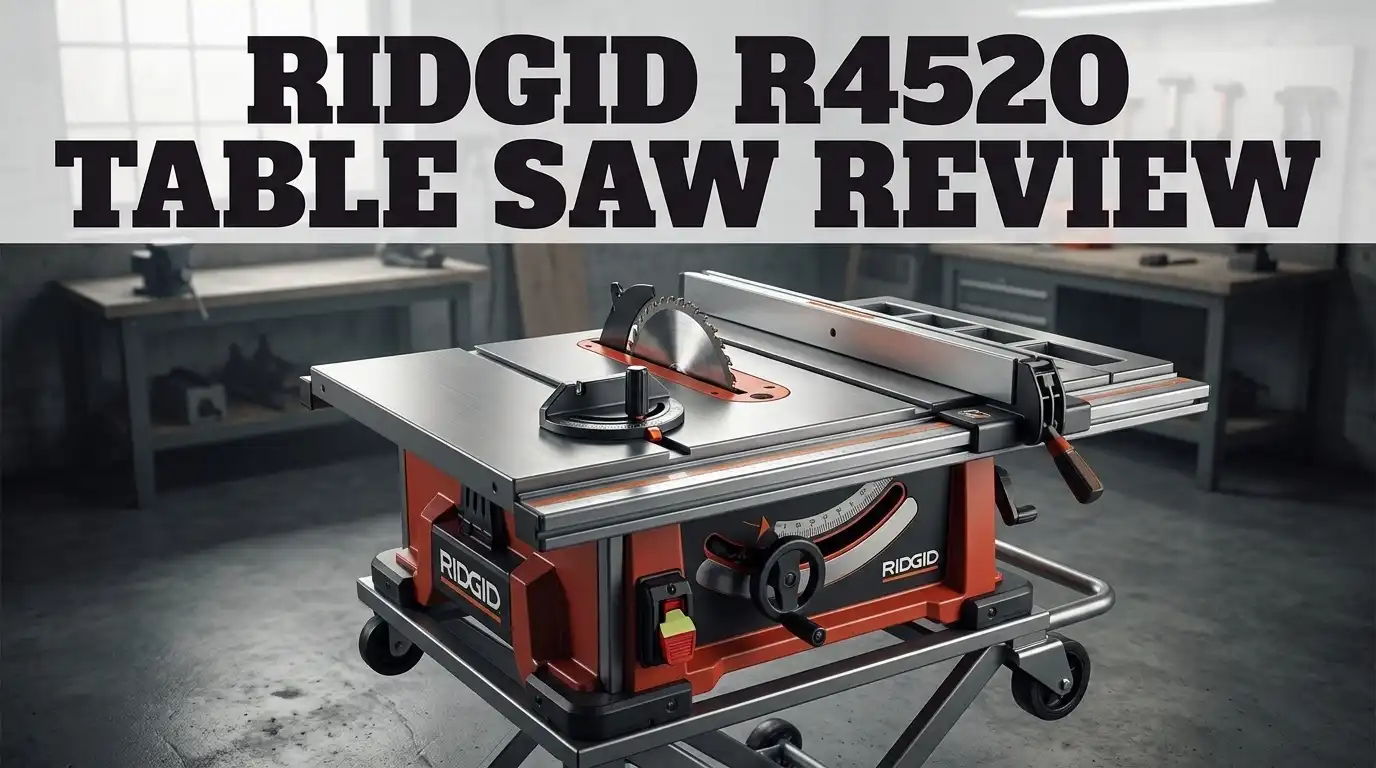
This saw features a cast iron table built for a flat, stable surface. Woodworkers love this base for keeping projects square and true.
At its core sits a 13 Amp induction motor. It runs quiet and stays cool, even during long cutting sessions. A blade brake adds an extra layer of safety too.
In a Nutshell
- The cast iron table gives you a flat and stable cutting surface. This helps parts glide smoothly during cuts.
- Accuracy is a strong point. Many users see cuts within thousandths of an inch once the saw is tuned properly.
- The fence system tracks well and holds its position. This makes repeat cuts more consistent.
- Some owners feel the motor lacks punch on thicker or denser wood. It can feel a bit underpowered for heavy tasks.
- Expect to spend time on setup. The riving knife and fence often need adjustment right out of the box.
- Blade alignment issues pop up in some units. A little patience and tinkering usually fixes this.
- It competes closely with saws like the DeWalt DW745 and SawStop. Each offers a different balance of power and precision.
Motor Power and Blade Specifications
The Ridgid R4520 packs a 13 Amp induction motor that powers a standard 10 inch blade. This motor type uses a totally enclosed fan cooled design, which keeps heat away from the motor windings and extends its lifespan.
The induction motor delivers consistent power throughout your cutting session. It does not rely on brushes that wear out, so maintenance stays minimal. You get reliable performance day after day without frequent replacements.
The blade itself spins at a fixed speed, which means you cannot adjust RPM on the fly. This works well for most general woodworking tasks like ripping boards and crosscutting. For specialty cuts on dense hardwoods, some users feel the motor could push harder through thick material.
Real world performance tells an interesting story. The R4520 can achieve cuts accurate to thousandths of an inch when the saw sits properly tuned. However, many units arrive from the factory needing adjustment. The riving knife tracking bolt tends to bind, which causes blade misalignment over time. This issue appears frequently in user reports and requires hands on fixes.
The blade brake feature stops the blade quickly when you release the trigger. This safety addition gives you peace of mind during operation and reduces cleanup time after each cut.
Cast iron construction supports the motor and blade assembly. The flat table surface resists warping, which helps maintain accuracy. However, the overall frame feels lightweight to some operators. Users accustomed to heavier contractor saws notice the difference in rigidity.
Proper setup makes a huge difference with this model. Take time to square the blade, align the fence, and check the table surface before your first cuts. Once dialed in, the R4520 performs reliably for hobbyists and DIY builders.
The motor and blade combo represents a solid foundation for a compact table saw. Your experience depends heavily on initial setup and ongoing maintenance. Invest time upfront, and this machine rewards you with consistent, accurate results.

- ※【Precision Compatibility – Fits Multiple Models】 Engineered to seamlessly replace...
- ※【Enhanced Safety – Prevents Kickback & Splintering】 Positioned behind the blade to prevent...
Last update on 2026-10-21 / Affiliate links / Images from Amazon Product Advertising API Some of the links on this website are affiliate links, which means that at no additional cost to you, I earn a commission if you click through and make a purchase. I only recommend products and services that I believe will add value to my readers. Thank you for your support!
Cutting Accuracy and Precision
When you set up the Ridgid R4520 correctly, it delivers cuts accurate to the thousandths of an inch. This level of precision matters for furniture building, cabinetry, and detail work where tolerances count.
The cast iron table forms the foundation of this accuracy. A flat, stable surface keeps your workpiece steady and prevents drift during the cut. You won’t find warping or flex in the table itself, which is critical for repeatable results.
However, accuracy depends heavily on your willingness to tune the machine. The riving knife tracking bolt can bind, causing the blade to shift out of alignment. Many owners report that their units arrive needing adjustment straight from the box. You should expect to spend an hour or two dialing in the fence and blade before making precision cuts.
The fence system tracks well once you get it right. It holds position consistently throughout your cutting session. The fence doesn’t slip or creep sideways, which keeps your rip cuts parallel and true. This stability is what separates mediocre saws from capable ones.
Some users experience blade wobble that requires persistent troubleshooting. Checking the arbor, tightening fasteners, and verifying blade seating all become part of your routine. This isn’t a saw you install and forget about.
The 13 Amp induction motor runs smoothly and doesn’t cause vibration that ruins accuracy. A consistent power delivery means your blade speed stays constant, which helps maintain clean, straight cuts. The blade brake stops rotation quickly, preventing blade drift when you finish a cut.
For hobbyists and home builders willing to invest setup time, the R4520 achieves the precision you need. Compare this with contractor saws that demand less tweaking but cost significantly more. Your accuracy will match or beat saws in higher categories, provided you commit to proper calibration and maintenance.
The real question isn’t whether this saw can cut accurately. It’s whether you’ll invest the effort to make it do so.
Build Quality and Construction Materials
The Ridgid R4520 uses cast iron for its table and base, which gives you a rock solid foundation for cutting. Cast iron stays flat over time and resists warping, even with heavy use. This material choice matters because your cuts depend on a stable surface.
The motor sits inside a totally enclosed fan cooled housing. This design keeps dust out of the motor windings and extends the machine’s life. You won’t hear loud cooling fans screaming during operation either.
The blade brake system stops rotation fast when you release the trigger. This feature adds a layer of safety to your workshop. The 10 inch blade fits standard saw accessories you probably already own.
Most units arrive needing adjustment out of the box. The riving knife tracking bolt can bind, which causes blade misalignment. You’ll want to spend an hour or two tuning everything before your first real cuts. This isn’t unusual for saws in this category, but it does require patience.
The fence system uses a solid track design. Once you dial it in, it holds its position through multiple cuts. Some owners report wobble that needs persistent tinkering to resolve. The good news is that the fence responds well to adjustment once you understand how it works.
Build quality feels mixed to different users. Some people appreciate the cast iron construction and solid feel. Others say the machine feels flimsy or underpowered on dense hardwoods. This gap between expectations often comes down to what you’re cutting and how much setup time you invest.
The motor delivers consistent power throughout your cuts when everything sits in alignment. Vibration stays low, which helps maintain accuracy. The induction motor design means you get steady performance without RPM fluctuation.
Overall, the construction materials support precision work when properly assembled. Cast iron provides the foundation. The enclosed motor keeps things running clean. Your main job is spending time on initial setup to unlock what this saw can actually do.
Top 3 Alternatives
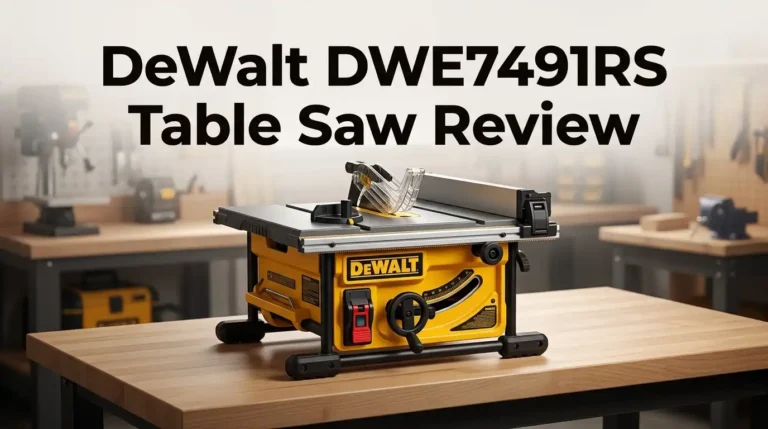
DeWalt DWE7491RS Table Saw

- Rack & Pinion Telescoping Fence System Make fence adjustments fast, smooth and accurate
- Patented material support, can be used for narrow rip cuts.

Last update on 2026-10-21 / Affiliate links / Images from Amazon Product Advertising API Some of the links on this website are affiliate links, which means that at no additional cost to you, I earn a commission if you click through and make a purchase. I only recommend products and services that I believe will add value to my readers. Thank you for your support!
The DeWalt DWE7491RS delivers solid cutting accuracy for woodworkers who need reliable performance. This saw features a precision fence system that keeps your cuts straight and true every time.
Makita 2705 Table Saw

- Left extension table with smooth sliding action
- Right and rear extension table enables greater cutting capacity
Last update on 2026-10-21 / Affiliate links / Images from Amazon Product Advertising API Some of the links on this website are affiliate links, which means that at no additional cost to you, I earn a commission if you click through and make a purchase. I only recommend products and services that I believe will add value to my readers. Thank you for your support!
The Makita 2705 stands out for its compact design without sacrificing power. This saw produces clean crosscuts and rip cuts with impressive consistency.
Bosch 4100-09 Table Saw

- RACK AND PINION RIP FENCE: This BOSCH table saw 10 inch size features color-coded index pins that...
- BOSCH TOOLS SAW: 15-Amp portable table saw with 3,800 rpm for rip-cutting and cross-cutting of fine...
Last update on 2026-10-21 / Affiliate links / Images from Amazon Product Advertising API Some of the links on this website are affiliate links, which means that at no additional cost to you, I earn a commission if you click through and make a purchase. I only recommend products and services that I believe will add value to my readers. Thank you for your support!
The Bosch 4100-09 combines portability with professional-grade accuracy. This saw maintains tight tolerances, so your finished cuts look clean and professional.
Fence System and Alignment Issues
The fence system on the Ridgid R4520 presents a mixed bag that directly impacts your cutting accuracy. The fence tracks well once you invest time in setup, but most units need adjustment straight out of the box. This isn’t unusual for saws at this level, yet it does require patience.
The main fence issue centers on alignment. Users report that the fence can feel wobbly during initial use. You’ll need to check that the fence runs parallel to the blade before making serious cuts. A simple straightedge test reveals whether your fence sits true.
One specific problem surfaces with the riving knife tracking bolt. This bolt can bind during operation, which causes the blade to shift out of alignment mid cut. When this happens, your fence position becomes less relevant because the blade itself moves. The solution involves careful adjustment and sometimes loosening this bolt slightly to prevent binding.
Getting the fence perfectly square to the table matters enormously. Use a combination square to verify the angle. Small adjustments to the fence mounting bracket can fix minor tilts. Many owners find that spending 30 minutes on this step eliminates frustration later.
The fence design itself uses a solid track mechanism. The track runs along the front and back of the table, which provides good support. The fence clamp holds firmly once tightened, so it won’t slip during cutting. This design actually works well after you dial everything in.
The real challenge isn’t the fence design itself, but the fit and finish of individual units. Some saws arrive with tighter tolerances than others. You may need to file or sand contact points where the fence meets the table. This extra work ensures the fence seats properly.
For accurate ripping, verify your fence position with a caliper or ruler at multiple points along the blade. Check both the front and back of the blade to ensure the fence runs parallel. This simple habit catches problems before they ruin your workpiece. Once aligned, the fence holds its position reliably through multiple cuts.
Setup and Out-of-Box Performance
The cast iron table provides an excellent foundation for precision work. It sits flat and level when properly assembled. This surface won’t warp or shift during your cuts. The base construction feels solid beneath your hands, giving you confidence as you work.
Your first task should be checking blade alignment. Many users report that the riving knife tracking bolt binds during setup. This binding causes the blade to shift out of square. Loosen this bolt carefully and work through the alignment process. Take your time here because this step determines your cutting accuracy.
The fence system requires attention before your first cut. The track design is solid, but individual units often arrive misaligned. Square your fence to the table using a reliable square and verify the position at multiple points along the blade. A caliper works great for this verification. The fence tracks smoothly once you get it right, but getting it right takes patience.
The 13 Amp induction motor runs smoothly and quietly during operation. The totally enclosed fan cooled housing keeps dust out of the motor. This design supports consistent power delivery when everything sits in proper alignment. You won’t experience vibration that ruins your cuts once the saw is tuned.
The blade brake system stops rotation quickly when you release the trigger. This safety feature responds immediately and reliably. It gives you peace of mind during operation.
The real story with out of box performance is simple: expect to adjust. This saw rewards users who invest setup time. The components are there to deliver accuracy. Your willingness to tune the machine determines whether you’ll experience that accuracy. Don’t expect everything to work perfectly on day one. Budget several hours for proper setup and calibration before making your first production cuts.
Pros and Cons
Pros
- Cast iron table delivers a flat, level surface that stays stable during cuts
- Cuts accurately to thousandths of an inch once you dial everything in properly
- Fence positioning holds true and consistent when adjusted correctly
- 13 Amp motor runs smoothly and quietly throughout your work
- Blade brake stops rotation fast when you release the trigger
Cons
- Riving knife tracking bolt binds up, causing blade misalignment that frustrates users
- Fence wobbles straight out of the box and needs serious tinkering to sit square
- Most units arrive requiring adjustment before you can make your first accurate cut
- Some users report the saw feels underpowered and flimsy compared to heavier contractor models
Who Should Buy It
The Ridgid R4520 works best for woodworkers who understand that setup time equals cutting accuracy. This saw rewards patient users who enjoy tinkering and fine tuning equipment.
If you’re comfortable spending an afternoon adjusting fence alignment and blade position, this machine delivers solid results. You’ll get cuts accurate to thousandths of an inch once everything sits properly. The cast iron table provides a stable foundation that doesn’t shift during operation.
This saw suits hobbyists and home workshop owners perfectly. You’re not rushing between job sites. You have time to dial in the fence and verify blade alignment before cutting expensive lumber. The 13 Amp motor runs quietly and smoothly for typical crosscuts and rips.
Skip this model if you expect perfection out of the box. Many units arrive with fence wobble and riving knife tracking issues. You’ll need basic tools and mechanical knowledge to correct these problems. If you want a saw that works immediately without adjustment, look elsewhere.
Professionals on tight schedules may find the setup requirements frustrating. Your time matters more than the money saved here. A contractor saw that performs consistently from day one serves you better on job sites.
The R4520 shines for woodworkers who view setup as part of the craft. You enjoy understanding how your tools work. You appreciate the cast iron construction and smooth motor operation. You don’t mind spending time getting the fence square and blade aligned.
This machine also appeals to learners and beginners. You’re building skills and learning proper technique. The affordable entry point lets you gain experience without major financial risk. Once you master this saw’s quirks, you’ll understand table saw mechanics deeply.
Consider your workshop style before buying. Do you prefer grab and go efficiency, or do you enjoy the setup process? Are you mechanically inclined and patient with adjustments? The Ridgid R4520 demands both qualities. Owners who embrace these requirements consistently praise the saw’s accuracy and cast iron construction. Those expecting instant performance often express disappointment with fence stability and alignment issues.
Final Verdict
The Ridgid R4520 answers its own question with a clear yes. It becomes accurate once you tune it properly. This saw rewards patience and punishes rushed setups.
Accuracy here is earned, not given. Woodworkers who accept this fact walk away happy. Those who expect flawless performance from the box may feel let down.
Compare this to the DeWalt DW745. That contractor saw runs lighter and skips the tuning fuss. But it also skips the cast iron stability that makes the R4520 special once adjusted.
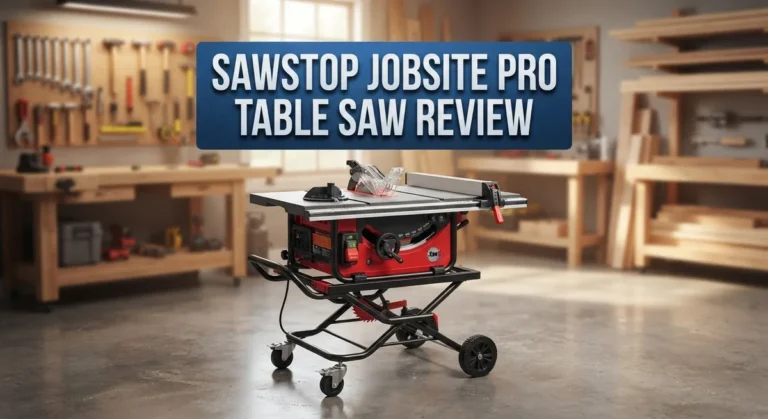
The SawStop sits in a different league entirely. It offers safety features and consistency that the Ridgid cannot match. Yet it demands more from your wallet and your workspace.
The R4520 fits a specific niche perfectly. It suits woodworkers who value long term precision over instant gratification. Think of it as a tool that teaches patience.
Home shops and hobby spaces benefit most from this saw. The learning curve feels manageable for someone building skills over time. Weekend projects and steady practice suit this machine well.
Production shops should look elsewhere. Time spent adjusting fences and blades cuts into billable hours fast. A busy shop cannot afford daily tinkering sessions.
This saw earns its place through consistency after setup, not convenience before it. That single fact defines the entire ownership experience.
If you already own basic tools and enjoy fine tuning machinery, this saw fits your workflow. If you want a saw that performs perfectly on day one, keep searching.
The final answer stays simple. Yes, the Ridgid R4520 is accurate enough, but only for those willing to put in the work first. Buyers who understand this tradeoff will find a reliable saw. Those who skip the setup step will only find frustration.
Frequently Asked Questions
Is the Ridgid R4520 accurate enough for fine woodworking?
Yes, but accuracy requires effort on your part. The cast iron table stays flat and level. The fence holds true once you adjust it properly. Most units need setup work before they deliver thousandths of an inch precision. Accuracy here is earned, not given.
You’ll spend an afternoon tuning the riving knife and fence alignment. After that investment, the saw performs consistently. Woodworkers who enjoy fine tuning machinery find this approach satisfying. Those expecting perfection straight out of the box feel disappointed.
What setup issues come with this saw?
Plan for adjustment work when your R4520 arrives. The riving knife tracking bolt binds up frequently. This binding causes blade misalignment that you’ll need to fix. The fence wobbles initially and requires serious tinkering to sit square.
These aren’t defects. They’re normal for this machine class. Spending time on setup is part of owning this saw. Most units need adjustment before making your first accurate cut.
How does the R4520 compare to other table saws?
The DeWalt DW745 offers a heavier contractor saw feel. Some users prefer that solid construction. The R4520 feels lighter in comparison. The SawStop operates in a completely different category with advanced safety features.
The R4520 fits a specific niche perfectly. Home shops and hobby spaces benefit most. Production shops should look elsewhere.
Who should buy this saw?
This machine suits hobbyists and home workshop owners. Learners appreciate the hands on setup process. Professionals on tight schedules may find the adjustment requirements frustrating. If you’re comfortable spending time fine tuning machinery, this saw fits your workflow perfectly.

Hi, I’m Amelia Thornton, the founder of ElectroPro.blog.
I write about smart devices, gadgets, electronics, and tech essentials from Amazon.
My goal is to help you discover reliable and innovative tech that truly makes life easier.
From home automation to everyday gear, I test and share what’s worth your investment.
Join me as I explore the smartest tech trends—one gadget at a time.