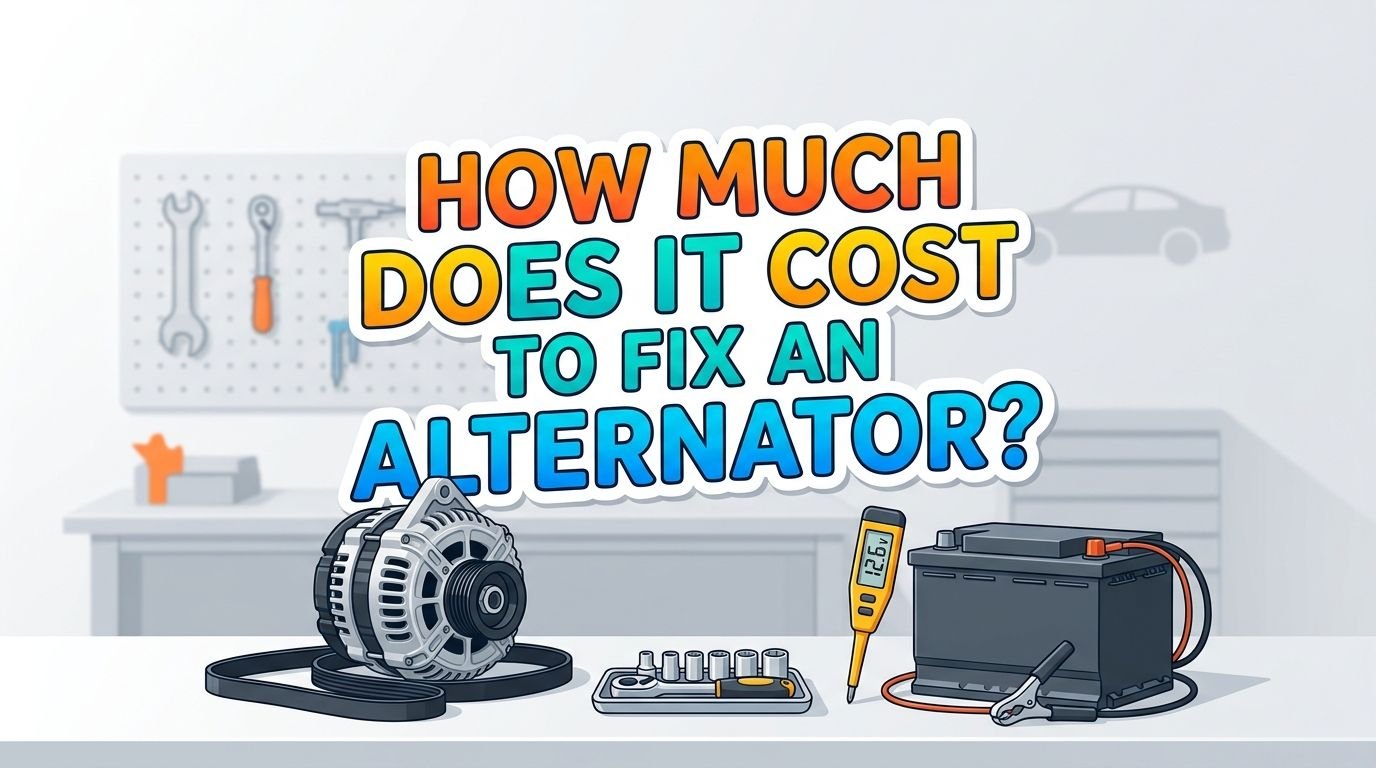
How Much Does It Cost to Fix an Alternator?
Your car won’t start. The dashboard lights flicker. The battery keeps dying no matter how many times you charge it. If this sounds familiar, your alternator might be the problem. The alternator is one of the most important parts of your vehicle’s electrical system, and a failing one can leave you stranded without warning.
So how much will it actually cost you to fix or replace it? The answer depends on several factors, including your car’s make and model, whether you choose a new or remanufactured part, and whether you do the work yourself or hire a mechanic.
Costs can range from as little as $100 for a DIY repair to well over $1,000 at a dealership. This guide will walk you through every option, break down the real numbers, and help you make the smartest choice for your wallet and your vehicle.
In a Nutshell
- The average total cost to fix an alternator ranges from $300 to $900, including both parts and labor. Luxury and European vehicles can push costs above $1,000 due to higher part prices and more difficult access under the hood.
- A new alternator part alone costs between $100 and $750, depending on the vehicle. Remanufactured alternators cost roughly 25% to 40% less than brand new units and can be a smart way to save money.
- Labor charges typically fall between $100 and $300. The exact amount depends on the shop’s hourly rate and how long the job takes. Some vehicles require one hour of work, while others need three to four hours.
- DIY replacement can save you $200 to $500 in labor fees. If you have basic mechanical skills and the right tools, this is a realistic option for many standard vehicles.
- Dealerships charge more than independent mechanics in almost every case. Expect to pay 20% to 50% more at a dealership compared to a trusted local shop.
- Ignoring a bad alternator will damage your battery and other electrical parts, which can multiply your repair bill. Early diagnosis and action keep total costs low and prevent breakdowns.
What Does an Alternator Do in Your Car
The alternator is your car’s built in generator. It converts mechanical energy from the engine into electrical energy that powers your headlights, radio, air conditioning, and other systems. It also keeps the battery charged while the engine runs.
Without a working alternator, your car relies entirely on the battery. That battery will drain within minutes to hours, and your vehicle will shut down. The alternator works hand in hand with the serpentine belt, voltage regulator, and battery to form a complete charging system.
Understanding this role is important because it explains why a failing alternator causes so many different symptoms. Everything electrical in your car depends on it. A small problem with the alternator can quickly become a big, expensive problem if you wait too long.
Common Signs Your Alternator Is Failing
The first warning sign is usually the battery warning light on your dashboard. This light does not always mean the battery itself is bad. It often points to a charging system issue caused by the alternator.
Dimming or flickering headlights are another clear symptom. If your lights brighten when you accelerate and dim when you idle, the alternator is struggling to keep up. You might also notice your power windows moving slower or your radio cutting out.
Strange noises matter too. A growling or whining sound from the engine area can signal worn alternator bearings. A burning rubber smell may mean the serpentine belt is slipping on the alternator pulley. Frequent stalling and difficulty starting the car are late stage signs that the alternator has nearly or fully failed.
How Much Does a New Alternator Cost (Parts Only)
The price of a new alternator part varies greatly by vehicle. For most standard cars and trucks, a new OEM alternator costs between $150 and $500. Popular models like the Honda Civic or Toyota Camry tend to fall on the lower end.
Luxury and European vehicles are a different story. A new alternator for a BMW, Mercedes, or Audi can cost $500 to $750 or more just for the part. High output alternators used in diesel trucks and heavy duty vehicles can also be expensive.
Pros of buying new: Full manufacturer warranty, all new internal components, maximum lifespan (typically 7 to 10 years).
Cons of buying new: Higher upfront cost, sometimes requires ordering and waiting for the specific part for your vehicle.
How Much Does a Remanufactured Alternator Cost
Remanufactured alternators offer a middle ground between new and rebuilt units. These parts are disassembled, cleaned, tested, and reassembled with new wear components. They typically cost 25% to 40% less than a brand new unit.
For most vehicles, a remanufactured alternator runs between $75 and $350. Many come with a one year or lifetime warranty from the retailer, which adds peace of mind. Quality remanufactured units can last nearly as long as new ones.
Pros of remanufactured: Lower cost, widely available, often includes a warranty, and is an environmentally friendly choice since it reuses existing materials.
Cons of remanufactured: Some internal parts have prior use, quality can vary between manufacturers, and there is a slightly higher chance of premature failure compared to a completely new unit.
Labor Costs for Alternator Replacement
Labor is a significant part of the total bill. Most mechanics charge between $75 and $150 per hour for this type of work. The total labor cost depends on how accessible the alternator is in your specific vehicle.
On many four cylinder cars, the alternator sits near the top of the engine and is easy to reach. These jobs take one to two hours and cost roughly $100 to $200 in labor. On V6 or V8 engines, the alternator may be buried under other components. These jobs can take three to four hours and cost $200 to $400 in labor.
Some vehicles require removing the intake manifold, power steering pump, or other parts just to access the alternator. This adds time and cost. Always ask your mechanic for a detailed estimate before approving the work.
Dealership vs Independent Mechanic: Cost Comparison
Choosing where to get the work done makes a big difference in your total bill. Dealerships typically charge $700 to $1,200 for a full alternator replacement, including parts and labor. They use OEM parts and factory trained technicians.
Independent mechanics usually charge $300 to $700 for the same job. Many independent shops offer the choice between new and remanufactured parts. Their labor rates tend to be $20 to $50 per hour less than dealership rates.
Pros of a dealership: Factory parts, trained technicians who specialize in your brand, detailed service records.
Cons of a dealership: Higher labor rates, more expensive parts markup, and longer wait times for appointments.
Pros of an independent mechanic: Lower overall cost, flexible part choices, and often faster turnaround.
Cons of an independent mechanic: Quality can vary, warranties may be less comprehensive, and not all shops have experience with every vehicle brand.
Can You Replace an Alternator Yourself (DIY Guide)
Yes, many car owners successfully replace their own alternator. If you are comfortable with basic hand tools and can follow a step by step video tutorial, this is a realistic project. DIY replacement eliminates the $100 to $400 labor fee entirely.
Here is a basic step by step process. First, disconnect the negative battery cable to prevent electrical shorts. Second, remove the serpentine belt by releasing the tensioner. Third, disconnect the wiring harness and power cable from the old alternator. Fourth, unbolt the alternator from its mounting bracket. Fifth, install the new alternator in reverse order. Sixth, reconnect the battery and start the engine to verify everything works.
Pros of DIY: Major cost savings, satisfaction of doing the work yourself, and you learn a valuable skill.
Cons of DIY: Risk of making mistakes, no labor warranty, potential safety hazards if done incorrectly, and some vehicles have very difficult alternator locations.
Alternator Repair vs Full Replacement
In some cases, you do not need to replace the entire alternator. A mechanic or alternator rebuild shop can sometimes repair just the faulty component inside the unit. Common internal repairs include replacing the voltage regulator, brushes, bearings, or diode rectifier.
A repair or rebuild typically costs $75 to $200 for the service plus parts. This is significantly cheaper than a full replacement. However, it only makes sense if the rest of the alternator is in good condition.
Pros of repair: Much lower cost, extends the life of your existing unit, and is a fast turnaround at a rebuild shop.
Cons of repair: Not all shops offer this service, may not last as long as a new unit, and some failures involve multiple worn components that make a full replacement more practical.
Factors That Affect the Total Cost
Several variables determine your final bill. Vehicle make and model is the biggest factor. A Honda Accord alternator replacement costs far less than the same job on a Range Rover.
Your location also matters. Mechanics in major cities often charge higher labor rates than shops in rural areas. The type of part you choose (new, remanufactured, or rebuilt) directly impacts the parts portion of the bill. And the complexity of the job adds or removes labor hours.
Age and condition of the serpentine belt should be considered too. If the belt is worn, most mechanics recommend replacing it at the same time. A new belt adds $25 to $75 to the total cost but prevents a future breakdown.
How to Save Money on Alternator Repair
There are several smart strategies to keep your costs down. Get at least three quotes from different shops before committing. Prices can vary by hundreds of dollars for the same job in the same city.
Consider purchasing the alternator yourself and bringing it to the shop. Some mechanics will install a customer supplied part for a reduced rate. A remanufactured alternator from a reputable brand can save you $100 to $300 compared to the shop’s markup on a new part.
Ask about the warranty on both parts and labor before you pay. Many independent shops offer a 12 month or 24 month warranty on alternator replacements. A good warranty protects you from paying twice if the new part fails early.
If you have even basic mechanical ability, doing the job yourself is the single biggest money saver. The tools required are minimal, and thousands of detailed video tutorials exist for nearly every vehicle model.
How Long Does an Alternator Last
Most alternators last between 80,000 and 150,000 miles, which translates to roughly 7 to 12 years for the average driver. However, several factors can shorten this lifespan.
Extreme heat is the alternator’s biggest enemy. Vehicles driven in hot climates or those that frequently sit in heavy traffic may see earlier alternator failure. Adding high power aftermarket accessories like powerful audio systems or off road lighting puts extra load on the alternator and can reduce its life.
Regular maintenance helps. Having your charging system tested during routine service can catch early signs of alternator wear before a complete failure occurs. A quick voltage test takes only a few minutes and costs little to nothing at most auto parts stores.
What Happens If You Ignore a Bad Alternator
Driving with a failing alternator is a recipe for bigger problems. The battery will drain completely, leaving you stranded. Repeated deep discharges will permanently damage the battery, adding another $100 to $300 to your repair bill.
A failing alternator can also produce irregular voltage that harms sensitive electronics. Your car’s computer, sensors, and infotainment system can all suffer damage from voltage spikes or drops. These repairs can cost hundreds or even thousands of dollars.
The safest approach is to address alternator problems immediately. If you notice warning signs, get a charging system test right away. Catching the issue early keeps the repair simple and affordable.
Frequently Asked Questions
Can I drive with a bad alternator?
You can drive a short distance, but it is not safe or recommended. Once the battery drains, the engine will stall without warning. Electrical systems like power steering and brakes may also be affected. Drive only to the nearest safe location or repair shop.
How do I know if it is the alternator or the battery?
A simple test can tell the difference. Jump start the car. If it runs fine but dies again after you turn it off, the battery is likely the problem. If the car stalls or the lights dim while running, the alternator is more likely the cause. Most auto parts stores offer free battery and alternator testing.
Is it cheaper to rebuild or replace an alternator?
Rebuilding is almost always cheaper, usually costing $75 to $200 compared to $300 to $900 for a full replacement. However, a rebuild may not last as long. If the alternator has high mileage and multiple worn parts, replacement is the better long term investment.
How long does it take to replace an alternator?
The job takes one to four hours depending on the vehicle. Simple installations on four cylinder engines can be done in about an hour. More complex vehicles with buried alternators may require three to four hours of labor.
Does a new alternator come with a warranty?
Yes, most new alternators come with a manufacturer warranty of one to three years. Remanufactured units often include a one year or even lifetime warranty from the retailer. Always ask about the warranty terms before purchasing and keep your receipt for proof of purchase.
Should I replace the serpentine belt with the alternator?
It is a smart idea if the belt shows any signs of wear such as cracking, glazing, or fraying. Since the belt must be removed to access the alternator, the additional labor cost is minimal. A new belt costs only $25 to $75 and prevents a separate repair visit later.

Hi, I’m Amelia Thornton, the founder of ElectroPro.blog.
I write about smart devices, gadgets, electronics, and tech essentials from Amazon.
My goal is to help you discover reliable and innovative tech that truly makes life easier.
From home automation to everyday gear, I test and share what’s worth your investment.
Join me as I explore the smartest tech trends—one gadget at a time.