Delta XL-10 Table Saw Review: Is It Worth Buying?
Looking for a table saw that fits on a small bench? The Delta XL 10 often comes up in searches. It has a long history in home workshops.
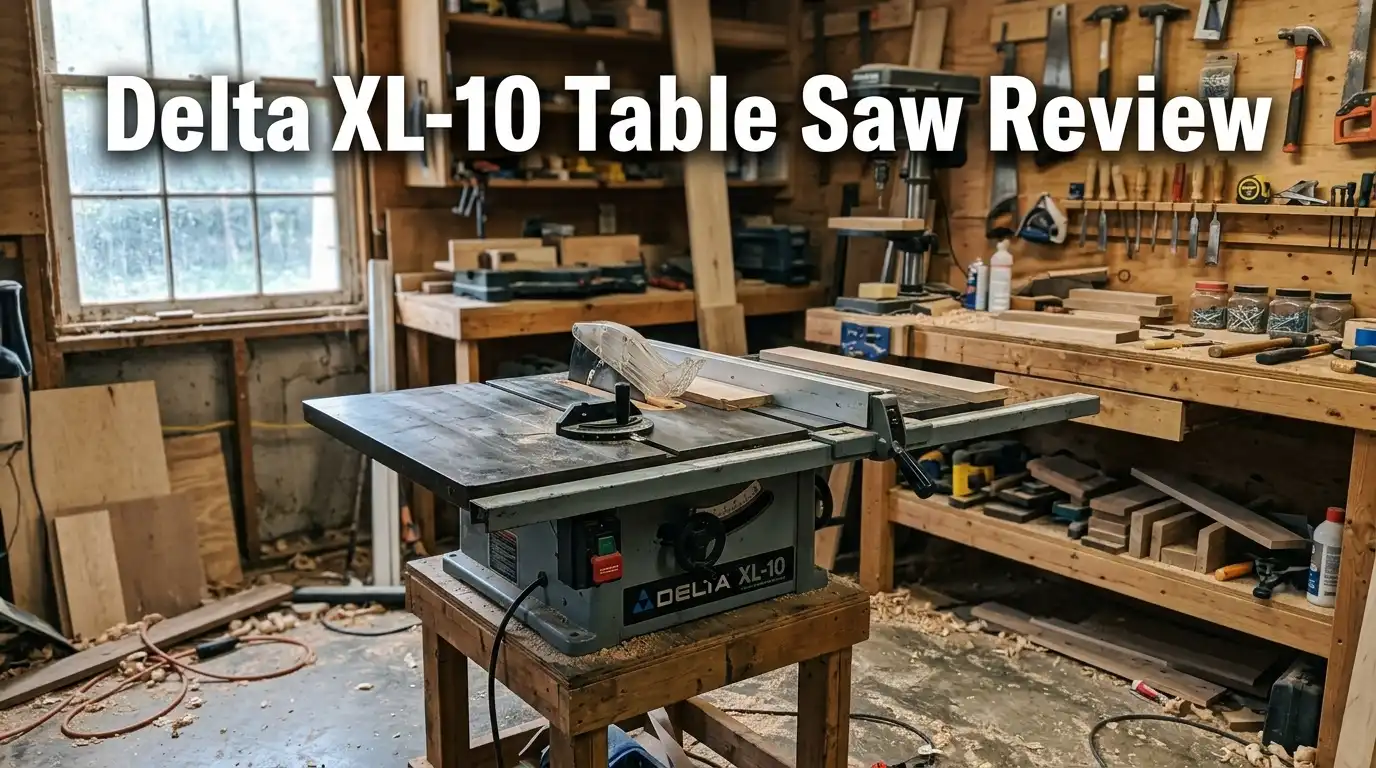
This benchtop model uses a 10 inch blade and a 15 Amp direct drive motor. It gives a 3 1/8 inch depth of cut at 90 degrees. That makes it handle basic cuts with ease.
But is it still a smart pick today? Many woodworkers ask this question. The saw has a simple design that beginners often like.
In a Nutshell
- Blade and Motor: It runs a 10 inch blade with a 15 Amp direct drive motor. This setup gives you a 3-1/8 inch depth of cut at 90 degrees.
- Build Quality: The saw offers a compact benchtop design. Cast iron extension tables are available for added support.
- Durability Concerns: The direct drive motor tends to burn out over time. This is a key issue for anyone wanting long term use.
- Fence Problems: Owners often report fence alignment issues. This can make precise cuts harder to achieve.
- Parts and Support: Finding replacement parts is tough. When you do find them, they often cost more than expected.
- Overall Fit: This saw suits beginners who need a simple tool for light tasks. Serious woodworkers may want to look at other options like the Delta Unisaw instead.
Motor Power and Cutting Capacity
The Delta XL 10 uses a 15 Amp direct drive motor paired with a 10 inch blade. This motor sits directly on the blade shaft without a belt connection. Direct drive designs offer simplicity and save space on benchtop models.
The cutting capacity reaches 3 and 1/8 inches at 90 degrees. This depth works for ripping standard lumber and crosscutting boards up to moderate thickness. Most basic woodworking tasks stay within this range.
The direct drive motor shows a real weakness over time. Users report that these motors tend to burn out faster than belt drive alternatives. Heat builds up during extended use since no belt absorbs vibration. Once burnout happens, replacement costs run high and parts become hard to find.
The motor spins the blade at adequate speeds for general cuts. You get smooth operation on softwoods and plywood sheets. Hardwoods demand more patience since the motor lacks the power reserves of larger saws. Pushing too hard during dense wood cuts stresses the motor unnecessarily.
Cast iron extension tables add to the cutting surface. These optional tables expand your workspace for longer stock. They help stabilize bigger pieces during rips and crosscuts. The benchtop design keeps the entire saw portable and lightweight.
Compared to modern benchtop saws at similar specifications, the Delta XL 10 does not stand out. Newer models offer better motor reliability and easier maintenance. They also come with improved fence systems and dust collection options.
For light hobby work and simple cuts, the motor handles the job. Beginners appreciate the straightforward design. However, serious woodworkers who plan frequent use should consider stronger alternatives. The Delta Unisaw represents a solid upgrade path if you outgrow this model.
The real issue surfaces when you need this saw to perform day after day. The direct drive motor was never engineered for heavy production work. It serves as a starter tool best suited to occasional projects and learning basic techniques.

- Rack & Pinion Telescoping Fence System Make fence adjustments fast, smooth and accurate
- Patented material support, can be used for narrow rip cuts.

Last update on 2026-10-21 / Affiliate links / Images from Amazon Product Advertising API Some of the links on this website are affiliate links, which means that at no additional cost to you, I earn a commission if you click through and make a purchase. I only recommend products and services that I believe will add value to my readers. Thank you for your support!
Build Quality and Materials
The Delta XL 10 uses cast iron construction for its main table surface, which provides a solid foundation for cuts. Cast iron resists warping and holds flatness well over time, a feature woodworkers appreciate in any table saw.
The benchtop design keeps the overall footprint small and portable. You can move this saw between workshops or store it in a compact space. The lightweight frame makes transportation easier than full-size cabinet saws.
Direct drive motors connect the engine directly to the blade without belts or pulleys. This design reduces parts and keeps the saw simple. However, direct drive systems in this model show a weakness. Users report that these motors burn out faster than belt-driven alternatives. The motor works hard without the cushioning that belt systems provide.
The extension tables come as optional cast iron additions. These tables bolt onto the sides and expand your cutting surface. Longer pieces of wood sit more stable with extended support. The cast iron material matches the main table for consistent height and flatness.
Rust presents a real problem with this model. Owners frequently mention surface corrosion on the cast iron surfaces. The saw needs regular cleaning and protective oil to prevent damage. Neglecting maintenance allows rust to spread quickly on exposed metal parts.
Fence alignment issues plague many units. The fence mechanism does not always stay square to the blade. This makes accurate rip cuts difficult and frustrating. Adjusting the fence requires patience and sometimes multiple attempts.
Parts availability remains a challenge for this older model. Finding replacement components takes time and effort. When parts do appear, they often cost more than expected. Newer benchtop saws offer better part availability and support.
The overall construction feels adequate for light duty work. Beginners find the simple design easy to understand and operate. However, serious woodworkers who demand precision and durability will notice limitations. The materials and build methods reflect an older design that does not meet modern standards for reliability and accuracy.
Fence Alignment and Precision
The fence on the Delta XL 10 demands your attention before you make your first cut. This component directly affects accuracy, and many owners report that keeping it square to the blade requires constant adjustment.
The fence mechanism uses a simple rail system typical of benchtop saws. You loosen a handle, slide the fence along the front rail, and tighten it back down. The problem emerges quickly. The fence does not always lock perfectly square to the blade, even when you follow the setup instructions carefully.
Alignment drift happens frequently with this model. You might set the fence parallel to the blade, make several cuts, and find it has shifted slightly. This forces you to stop work and re-square the fence. For precision work like ripping boards to exact widths, this becomes frustrating fast.
The cast iron table surface itself stays reasonably flat, which helps. A flat table gives the fence a solid reference point. However, the fence rails can develop minor warping over time, especially if rust forms on the metal surfaces. Rust prevention becomes important for maintaining whatever precision you achieve initially.
Many users recommend checking the fence alignment before each cutting session. Keep a reliable square nearby and test the fence regularly. Some owners add aftermarket shims or minor adjustments to improve the fence’s grip on the rail system.
The optional cast iron extension tables do not solve the fence problem, but they do provide more surface area for supporting longer stock. Better support means fewer vibrations, which can help maintain accuracy even with a slightly imperfect fence.
For serious woodworking or production work, this fence system falls short. Beginners making basic cuts can live with these quirks. You simply need patience and frequent adjustments. If fence precision matters greatly to your projects, you should consider alternatives with more robust fence mechanisms before purchasing this model.
Top 3 Alternatives
DeWalt DWE7491RS Table Saw
- Rack & Pinion Telescoping Fence System Make fence adjustments fast, smooth and accurate
- Patented material support, can be used for narrow rip cuts.
Last update on 2026-10-21 / Affiliate links / Images from Amazon Product Advertising API Some of the links on this website are affiliate links, which means that at no additional cost to you, I earn a commission if you click through and make a purchase. I only recommend products and services that I believe will add value to my readers. Thank you for your support!
Makita 2705 Table Saw

- Left extension table with smooth sliding action
- Right and rear extension table enables greater cutting capacity
Last update on 2026-10-21 / Affiliate links / Images from Amazon Product Advertising API Some of the links on this website are affiliate links, which means that at no additional cost to you, I earn a commission if you click through and make a purchase. I only recommend products and services that I believe will add value to my readers. Thank you for your support!
Bosch 4100-09 Table Saw

- RACK AND PINION RIP FENCE: This BOSCH table saw 10 inch size features color-coded index pins that...
- BOSCH TOOLS SAW: 15-Amp portable table saw with 3,800 rpm for rip-cutting and cross-cutting of fine...
Last update on 2026-10-21 / Affiliate links / Images from Amazon Product Advertising API Some of the links on this website are affiliate links, which means that at no additional cost to you, I earn a commission if you click through and make a purchase. I only recommend products and services that I believe will add value to my readers. Thank you for your support!
Parts Availability and Maintenance
The Delta XL 10 presents real challenges when you need replacement parts. This older benchtop model has limited availability in the current market. Finding genuine Delta components requires patience and often special ordering through distributors.
Motor replacement stands out as the biggest maintenance concern. The direct drive design means the motor connects straight to the blade without belts or pulleys. When this motor fails, you face expensive replacement costs and shipping delays. Many owners discover that buying a new saw costs less than fixing the old one.
Blade and arbor assemblies are easier to source than the motor itself. Standard 10 inch blades fit the XL 10, so you have options from multiple manufacturers. Arbor nuts and washers stay relatively affordable and available through online retailers.
The fence system needs attention before problems start. Rail components wear down over time on this model. Replacement fence parts exist but require hunting through specialty woodworking suppliers. Prevention matters here. Regular cleaning and light lubrication keep the fence functioning longer.
Cast iron table surfaces rarely crack or break. If rust develops, you can restore the surface with sandpaper and oil. The optional extension tables follow the same rule. Cast iron stays durable even when neglected.
Dust collection ports and motor brushes represent common wear items. Brushes fail eventually in any direct drive motor. Replacement brush sets cost modest amounts but require opening the motor housing. Dust ports can crack if you apply too much force during cleaning.
Maintenance planning makes sense with this model. Keep spare blades on hand since blade issues happen frequently. Stock motor brushes if you plan long term use. Check all fasteners monthly because vibration loosens bolts.
The real issue emerges when you need specialized parts. Delta discontinued this line decades ago. You compete with other XL 10 owners for remaining inventory. Older online forums and woodworking communities sometimes point you toward compatible parts from other Delta benchtop models.
Serious users often upgrade to newer saws to avoid these headaches. Hobbyists doing light work can manage maintenance with patience and careful planning.
Portability and Workspace Setup
The Delta XL 10 shines when you need a saw that doesn’t demand much floor space. This benchtop model fits easily on a workbench or rolling cart, making it perfect for garages and small shops.
Setting up your workspace with this saw takes minimal effort. The compact footprint means you can position it against a wall and move it when needed. Many users appreciate how quickly they can get the saw operational without extensive installation procedures.
The cast iron table surface provides a solid foundation for your cuts. This main surface stays reasonably flat, which helps maintain cut accuracy. If you want more working area, optional cast iron extension tables attach to expand your support space during longer rips or crosscuts.
Moving the saw between locations works well because of its benchtop design. You can transport it in a truck bed or load it into a workshop vehicle without special equipment. The direct drive motor connects the blade without belts or pulleys, so there are fewer parts to worry about during relocation.
However, workspace setup requires attention to one critical detail. The fence mechanism demands careful alignment before you start cutting. This system uses a simple rail design typical of benchtop saws, but it drifts frequently. Many users recommend checking fence alignment before each session to ensure square cuts.
The extension tables help provide more surface area for supporting your workpieces, but they don’t solve the fence alignment issues. For basic cuts and beginner projects, the workspace feels adequate. You get enough room to handle standard lumber sizes without frustration.
Dust collection ports are positioned on the saw body, so plan your shop layout accordingly. Connect a shop vacuum or dust collection system to keep your workspace clean during operation. The compact design means dust can accumulate quickly in tight spaces without proper ventilation.
Overall, the Delta XL 10 works well in space constrained environments. Its portability makes it a practical choice for workshops where real estate is limited. Just remember that workspace organization around this saw should prioritize easy access to the fence for frequent alignment checks.
Pros and Cons
Pros
- Entry level option that works well for beginners making basic cuts
- Compact benchtop design takes up minimal floor space in your workshop
- Cast iron table surface stays reasonably flat for consistent cutting performance
- Lightweight and portable, so you can move it between job sites or storage areas easily
- Optional cast iron extension tables provide extra surface area for supporting larger workpieces
Cons
- Direct drive motor burns out frequently and replacement parts are hard to find and expensive
- Fence alignment drifts constantly, requiring you to check and adjust before each cutting session
- Rust develops easily on metal surfaces without regular maintenance and protection
- Not significantly better than new benchtop saws available today, making it risky for serious woodworking or production work
Who Should Buy It
The Delta XL 10 works best for specific woodworkers with clear needs and realistic expectations.
Beginners starting their first workshop should consider this saw carefully. You get a functional benchtop machine that teaches basic cutting techniques without overwhelming you. The compact design fits small spaces, and the cast iron table provides decent cutting accuracy for learning fundamental skills. However, you need to accept that maintenance demands your attention regularly.
DIY enthusiasts making occasional projects find real value here. You might build shelves, cut trim, or create simple furniture pieces. The saw handles these tasks adequately when you keep the fence adjusted and motor brushed. You should plan for regular upkeep rather than expecting a maintenance free machine.
Job site workers needing portability appreciate the lightweight benchtop format. Moving between locations happens easily, and setup takes minimal time. The saw performs well for on site cuts when you have reliable access to replacement parts or a backup machine available.
People with severe space limitations benefit from this model’s compact footprint. Your workshop might be a garage corner or small shed. The Delta XL 10 occupies minimal real estate while still delivering functional cutting capacity.
You should avoid this saw if you plan serious production work or professional carpentry. The direct drive motor simply cannot handle constant daily use. Fence drift becomes frustrating when precision matters for your projects. Replacement parts prove difficult to locate, leaving you with extended downtime.
Woodworkers upgrading from hand tools represent another good fit. You step up to powered cutting without major investment or space demands. The learning curve stays gentle, and you develop skills transferable to better machines later.
Consider alternatives if you need something reliable for frequent use. Newer benchtop saws offer better part availability and motor durability. The Delta Unisaw represents a serious upgrade path when you outgrow this model.
The Delta XL 10 succeeds when you match it to realistic expectations and occasional use patterns. Your commitment to regular maintenance determines whether this saw becomes a reliable workshop tool or a frustrating paperweight.
Final Verdict
The Delta XL 10 holds a fair spot in table saw history. It served many woodworkers well during its production years. Today, its role has shifted to something more niche.
This saw suits a specific type of buyer. Someone who wants a simple tool for light tasks. Someone who does not mind occasional maintenance and small fixes.
If you already own one, keep using it wisely. Regular checks on the fence and motor will extend its life. Treat rust prevention as a routine task, not an afterthought.
If you are hunting for one to buy, think about your goals first. Ask yourself if you need heavy duty performance or just basic functionality. Your answer will guide your decision more than any spec sheet.
Newer benchtop saws often come with better support and updated engineering. They may solve some problems this model struggles with, like alignment drift and motor strain. Still, the Delta XL 10 has a loyal following for good reason.
Many hobbyists like its straightforward design. There is nothing complicated about setup or basic use. This simplicity appeals to people who want to focus on woodworking, not troubleshooting.
For those craving more power and precision, look toward upgraded models like the Delta Unisaw. It offers a smoother experience for advanced or frequent projects. This shift makes sense once your skills or workload grow.
In the end, the Delta XL 10 is a tool with a clear identity. It works best in specific situations, not as an all purpose solution. Match your expectations to its real capabilities and you will avoid frustration.
Consider your project types, frequency of use, and patience for upkeep before deciding. This will help you find the right fit, whether that means keeping your current saw or exploring newer options. Smart choices today lead to smoother work tomorrow.
Frequently Asked Questions
Can I use the Delta XL 10 for ripping hardwood?
Yes, you can rip hardwood with this saw. The 15 amp motor provides enough power for occasional hardwood cuts. However, expect slower feed rates than larger cabinet saws. The direct drive motor may struggle if you push too hard, so let the blade do the work. For frequent hardwood ripping, consider a more robust saw instead.
What maintenance does the Delta XL 10 need?
This saw needs regular care to stay functional. Clean the table surface after each use to prevent rust buildup. Check fence alignment before every cutting session. Wipe down metal parts with a dry cloth. Store it in a dry location if possible. Apply a light coat of paste wax to the cast iron table periodically. These simple steps extend the saw’s life significantly.
Is the fence system reliable?
The fence tends to drift out of alignment over time. You’ll need to check it frequently and make adjustments. This isn’t a deal breaker for occasional use, but it requires patience and attention. If you need a “set it and forget it” fence, this model may frustrate you. Many users keep a straightedge nearby to verify accuracy before cuts.
Can I replace the motor if it fails?
Replacement parts exist but finding them takes effort and costs more than expected. The direct drive motor burns out faster than belt drive alternatives. Some parts are no longer manufactured, making repairs challenging. Before buying a used unit, ask the seller about motor condition. If the motor dies, you might spend significantly on repairs or replacement.
What size workpieces can this saw handle?
The benchtop design limits workpiece capacity. The 3 1/8 inch depth of cut handles standard lumber well. Optional cast iron extension tables expand your surface area for larger boards. Without extensions, ripping wide plywood becomes awkward. Plan your projects around these limitations before purchasing.

Hi, I’m Amelia Thornton, the founder of ElectroPro.blog.
I write about smart devices, gadgets, electronics, and tech essentials from Amazon.
My goal is to help you discover reliable and innovative tech that truly makes life easier.
From home automation to everyday gear, I test and share what’s worth your investment.
Join me as I explore the smartest tech trends—one gadget at a time.