WEN Mini Benchtop Wood Lathe Review: Step-by-Step Guide
Are you dreaming about creating beautiful wooden pens, chess pieces, or small bowls but worried about spending thousands on a professional lathe? You’re not alone.
Many woodworking enthusiasts start their turning journey wondering if they can find quality equipment without emptying their wallets.
The WEN Mini Benchtop Wood Lathe has been making waves in the woodturning community as an affordable entry point. But does it really deliver on its promises, or is it just another cheap tool that will frustrate you?
Key Takeaways:
- Perfect Size for Small Projects: This lathe features an 8-inch swing over the bed and 13-inch distance between centers, making it ideal for pens, bottle stoppers, and small decorative items. You won’t be turning table legs with this machine, but that’s not what it’s designed for.
- Variable Speed Control: The 750 to 3200 RPM range gives you incredible flexibility. You can start slow for rough work and increase speed for fine finishing. No belt changes needed, just turn the dial.
- Beginner-Friendly Setup: Most users report getting this lathe assembled and running within 30 minutes. The instructions are clear, and you don’t need special tools or advanced mechanical knowledge.
- Budget-Conscious Pricing: At around $245, this lathe costs less than many professional chisels sets. It offers remarkable value for anyone testing the woodturning waters without major financial commitment.
- Reliable Motor Performance: The 3.2-amp motor with soft-start technology prevents sudden jolts that could damage your workpiece or motor. It handles hardwoods surprisingly well for its size.
- Two-Year Warranty Included: WEN backs this product with solid warranty coverage and responsive customer service, giving you peace of mind with your investment.

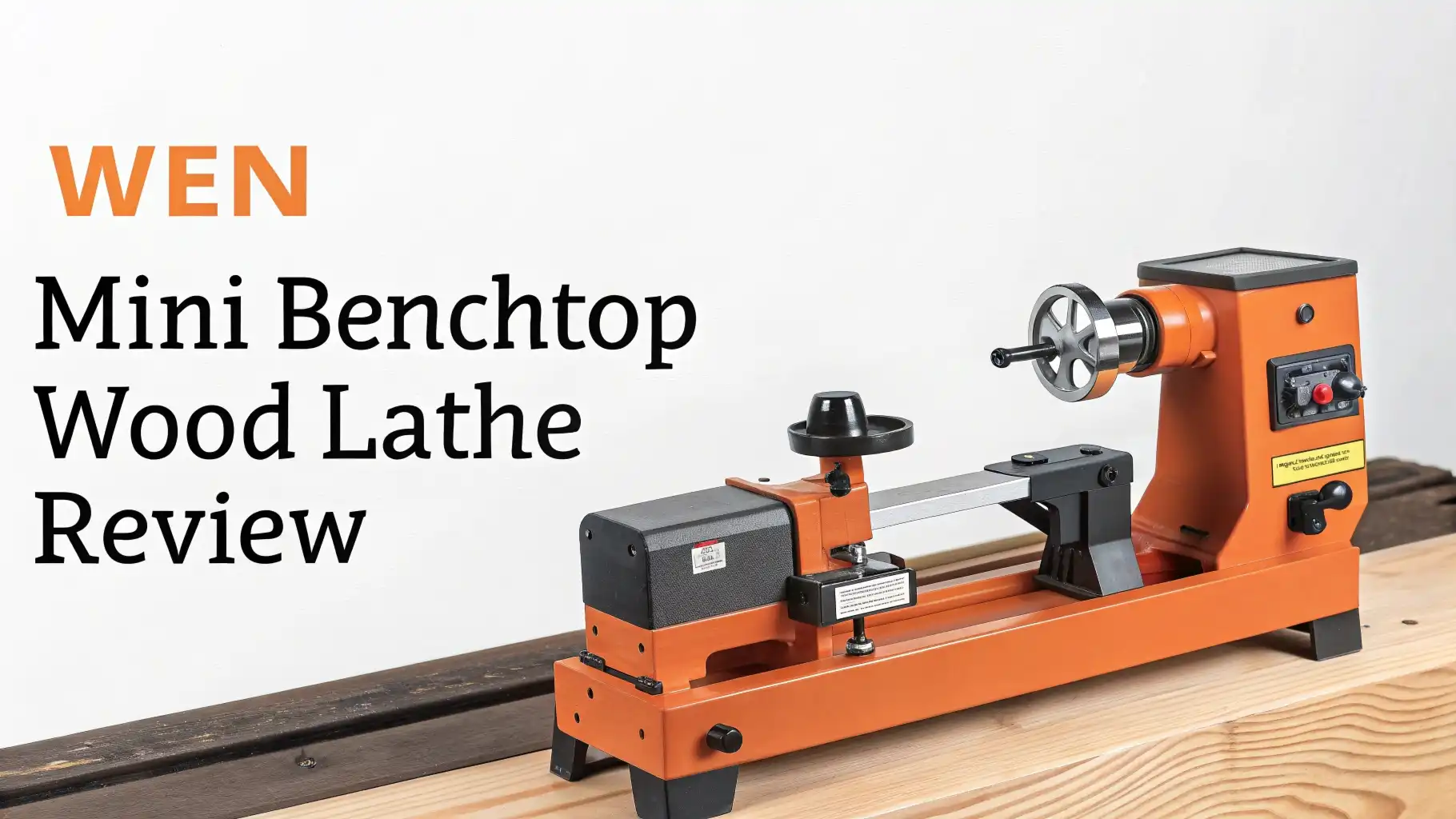
WEN LA3421 3.2-Amp 8-Inch by 13-Inch Variable Speed Mini Benchtop Wood Lathe
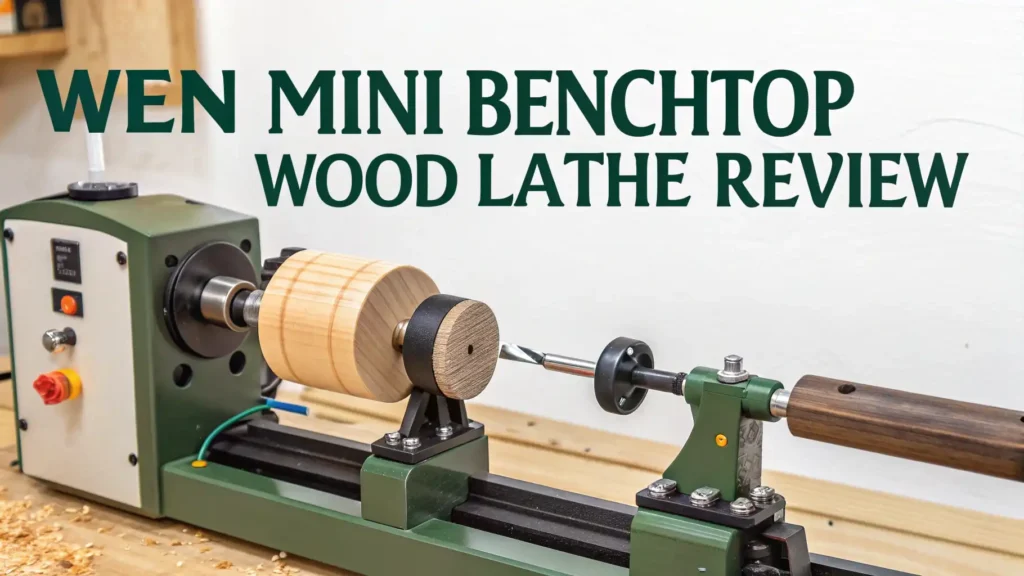
The WEN LA3421 represents excellent value in the mini lathe category. This compact machine delivers professional features at a fraction of typical lathe costs. The construction feels solid when you first unbox it. The cast iron components add stability during operation. You get minimal vibration even at higher speeds.
The variable speed control stands out as the star feature. Many budget lathes force you to change belts manually when you want different speeds. This model uses a simple dial system. You adjust speed while the lathe runs. This convenience saves time and keeps your workflow smooth.
The MT1 spindle and tailstock taper provide secure grip on your workpieces. These industry-standard tapers accept most accessories you’ll want later. The 2.3-inch faceplate comes included for mounting larger stock. You also get two tool rests measuring 4.5 inches and 7 inches. These lengths accommodate different project sizes and working positions.
Unboxing and First Impressions
Opening the box reveals careful packaging. WEN protects the lathe well during shipping. You’ll find the main lathe body, two tool rests, a flat wrench, headstock spur center, tailstock cup center, knockout rod, and faceplate. Everything arrives in one package.
The black finish looks professional. The metal components feel substantial in your hands. Nothing about this lathe screams “cheap tool.” The weight distribution feels balanced. The machine won’t tip or walk across your bench during operation.
Assembly takes minimal effort. You attach the tool rest to the bed. You install the centers in the headstock and tailstock. The whole process takes about 20 to 30 minutes. The instruction manual provides clear diagrams. Even first-time lathe owners manage setup without problems.
Motor Power and Performance
The 3.2-amp motor delivers adequate power for mini lathe work. You won’t turn 12-inch bowls from green wood, but that’s not this tool’s purpose. For pen blanks, small spindle work, and bowls up to 5 inches, the motor performs admirably.
The soft-start feature deserves special mention. When you flip the switch, the motor ramps up gradually. This gentle startup protects the motor from electrical stress. It also prevents workpieces from flying off due to sudden acceleration. This feature adds safety and extends motor life.
Speed adjustment works smoothly across the 750 to 3200 RPM range. Lower speeds work great for roughing out square blanks. Higher speeds excel for fine finishing cuts and sanding. The dial turns easily and holds settings firmly. You won’t experience speed drift during operation.
Top 3 Alternatives for WEN Mini Benchtop Wood Lathe


Variable Speed Control: A Game Changer
Many budget lathes use step pulley systems. You stop the machine, loosen belts, move them to different pulleys, and restart. This process interrupts your workflow constantly. The WEN lathe eliminates this frustration entirely.
The electronic variable speed dial sits conveniently on the front panel. You simply rotate the knob to change speeds. The transition happens smoothly while the lathe runs. This convenience becomes invaluable when you’re learning. Different wood species require different speeds. You can experiment easily without stopping work.
The speed range covers most mini lathe needs. 750 RPM works well for initial roughing of square blanks. 1200 to 1500 RPM handles general shaping. 2500 to 3200 RPM excels for final finishing and sanding. You get complete control over every project phase.
Build Quality and Construction
The lathe bed uses cast iron construction. This material choice provides excellent vibration dampening. Lighter materials would transmit motor vibrations through the entire machine. Cast iron absorbs these vibrations, giving you smoother operation.
The tool rest system uses a lever-style clamp. You loosen the lever, slide the rest to your desired position, and tighten it back down. The system locks firmly without tools. The rests stay put during operation, even under heavy tool pressure.
The tailstock moves smoothly along the bed. The locking lever secures it reliably at any position. The quill extends and retracts easily with the hand wheel. The MT1 taper in the tailstock accepts live centers, drill chucks, and other standard accessories.
Ideal Projects for This Lathe
The WEN LA3421 shines with pen turning. The 13-inch capacity easily handles pen blanks. The speed control lets you work with various materials from soft woods to acrylics. Many turners start their businesses making custom pens on this exact lathe.
Small bowls up to 8 inches diameter work well. You can create ring holders, salt cellars, jewelry boxes, and decorative bowls. The faceplate mounting provides secure attachment. Remember to respect the 5-inch depth limitation mentioned in the manual for best results.
Bottle stoppers represent another perfect project. These quick-turning items make great gifts and sell well at craft fairs. The precision you need for fitting mechanisms matches what this lathe delivers.
Chess pieces, game pieces, and ornaments all fall within this lathe’s sweet spot. The variable speed helps with intricate detail work. The stable platform prevents chatter that would ruin fine details.
What You’ll Love About This Lathe
The price point tops the list of advantages. You get variable speed, solid construction, and reliable performance for around $245. Comparable features from other brands cost significantly more.
The low learning curve makes this lathe excellent for beginners. The controls make sense. The size doesn’t intimidate. You can start turning within hours of assembly. Many users report successfully completing their first project the same day they receive the lathe.
The compact footprint fits small workshops. The lathe measures approximately 23 inches long and weighs about 40 pounds. You can move it when needed. It doesn’t dominate your workspace like larger lathes.
The quiet operation surprises many users. The motor runs smoothly without excessive noise. You can work in apartment settings or shared spaces without disturbing others significantly.
Limitations to Consider
The 8-inch swing limits bowl size. You cannot turn large salad bowls or serving platters. This limitation reflects the mini lathe category, not a specific WEN deficiency. Know your project goals before purchasing.
The lighter weight compared to full-size lathes means less mass for vibration dampening. Some users add weight to the stand or bolt the lathe to a heavy workbench. These simple modifications improve stability.
The tool rest length limits your working positions on longer spindles. The 7-inch rest works fine for most projects under 13 inches. Longer projects may require repositioning the rest more frequently.
The power level restricts your material choices somewhat. Dense hardwoods like cocobolo or ironwood require patience and sharp tools. You cannot take aggressive cuts like with more powerful machines.
Setup Tips for Best Performance
Mount the lathe securely to your workbench. Use bolts through the mounting holes in the base. A solid foundation dramatically improves performance. Vibration decreases. Your cuts become smoother. The whole experience improves.
Add weight under or around the lathe if you notice vibration. Sandbags, concrete blocks, or a steel plate under the base all help. Additional mass absorbs vibration from unbalanced blanks during roughing.
Keep tools sharp always. Dull tools force you to push harder. This pressure stresses the motor and creates poor surface finish. Sharp tools cut effortlessly on this lathe. Invest in good sharpening equipment from the start.
Start at lower speeds with new blanks. Rough, square blanks can catch and cause problems at high speeds. Begin around 750 to 1000 RPM until you round the blank. Then increase speed gradually for finishing.
Maintenance and Care
Regular lubrication keeps everything moving smoothly. Apply a light oil to the bed ways periodically. Lubricate the tailstock quill threads occasionally. These simple steps prevent wear and maintain smooth operation.
Clean sawdust regularly from all surfaces. Wood dust accumulates quickly during turning. It works into moving parts and causes wear. A quick wipe-down after each session preserves your lathe.
Check all fasteners monthly. Vibration can loosen screws and bolts over time. A quick inspection with appropriate wrenches keeps everything tight. This habit prevents problems before they start.
Store the lathe in a dry location. Moisture causes rust on cast iron surfaces. If you can’t avoid humid conditions, apply paste wax to exposed metal parts. This protection prevents corrosion.
Value for Money Analysis
At approximately $245, this lathe competes with tools costing $400 to $600. The variable speed feature alone often adds $100 to $150 to a lathe’s price. You get this premium feature included at the base price.
The included accessories add value. The faceplate, centers, and two tool rests would cost $50 to $75 purchased separately. Having them included means you can start turning immediately.
The two-year warranty provides security. If manufacturing defects appear, WEN covers repairs or replacement. This coverage demonstrates confidence in their product. It also protects your investment.
Comparing cost per feature, the WEN lathe leads its category. Similar capacity lathes without variable speed cost nearly the same price. Lathes with variable speed from other brands typically start around $350.
Who Should Buy This Lathe?
Beginners starting woodturning find this lathe perfect. The investment remains reasonable while you learn. The features support skill development. You won’t outgrow it immediately, but you can upgrade later without huge financial loss.
Pen turners particularly benefit from this model. The capacity, speed range, and precision all align perfectly with pen making requirements. Many successful pen turning businesses started on this exact lathe.
Hobbyists with limited space appreciate the compact size. Apartment dwellers and garage woodworkers with multiple tools benefit from the small footprint. The lathe delivers results without dominating your space.
Budget-conscious makers get maximum value here. You receive professional features at entry-level pricing. The quality level exceeds what the price suggests.
Frequently Asked Questions
Can the WEN Mini Lathe handle hardwoods?
Yes, this lathe works with hardwoods successfully. The motor provides adequate power for maple, walnut, cherry, and similar species. Use sharp tools and take lighter cuts with very dense woods like cocobolo or lignum vitae. The key lies in tool sharpness and cutting technique rather than raw power.
How difficult is assembly for someone new to lathes?
Assembly proves very straightforward. Most users complete setup in 20 to 30 minutes. The instruction manual includes clear diagrams. You need only basic hand tools that come with the lathe. No special mechanical skills or knowledge required. Many first-time lathe owners successfully assemble this machine without help.
What is the actual distance between centers?
The distance measures 13 inches between the headstock spindle center and the tailstock center point. This capacity accommodates pen blanks, small spindles, and projects up to about 12 inches comfortably. Remember to account for chuck or faceplate thickness if using those accessories.
Does this lathe include a chuck or do I need to buy one separately?
The lathe includes a faceplate but not a scroll chuck. The faceplate works fine for many projects. However, a scroll chuck adds convenience and expands project possibilities. The standard 1-inch by 8 TPI spindle thread accepts most aftermarket chucks. Many users add a chuck after gaining some experience.
How loud is the motor during operation?
The motor runs fairly quietly compared to many mini lathes. At lower speeds, the noise level stays very reasonable. Higher speeds increase noise somewhat but remain acceptable for home workshop use. The soft-start feature contributes to quieter operation. Most users work comfortably without hearing protection, though protection remains recommended for extended sessions.
Can this lathe turn bowls or is it only for spindle work?
Yes, you can turn bowls on this lathe. The 8-inch swing allows bowls up to that diameter. The faceplate mounting system supports bowl work. However, the manual recommends limiting bowl depth to about 5 inches for optimal performance. Small bowls for rings, jewelry, salts, and decorative purposes work perfectly. Large dinner or salad bowls exceed this lathe’s capacity.
What accessories should I buy first?
Start with sharp turning tools if the lathe doesn’t include them. A basic set with roughing gouge, spindle gouge, skew chisel, and parting tool covers most projects. Next, consider a scroll chuck for easier workpiece mounting. A live center for the tailstock improves quality on longer spindles. Finally, add abrasives and finishing supplies matched to your project types.
Is the warranty really useful or just marketing?
WEN’s two-year warranty has a good reputation in the woodworking community. Customer service responds to issues promptly. The warranty covers manufacturing defects and mechanical failures. Many users report positive warranty experiences when problems arose. Keep your purchase receipt and register your product for full warranty benefits.