Vega Table Saw Fence Review: Your Complete Guide 2026
You are standing in your workshop. Your table saw sits there waiting. You me-asure twice but the cut comes out wrong. Again. The problem is not your skill. The problem is your fence.
A good fence changes everything. Your cuts become accurate. Your projects look professional. Your frustration disappears.
This review will answer that question. You will learn about the different Vega models. You will see how they compare to other options.
Key Takeaways
- Vega offers two main models for different workshop sizes. The U26 provides 26 inches of cutting capacity to the right of your blade. The U50 gives you 50 inches of space for larger projects. Both models include the same quality construction and features.
- The micro adjustment feature sets Vega apart from basic fences. You can fine tune your measurements down to tiny increments. This feature saves time and reduces material waste. Professional woodworkers love this capability.
- Installation works with most table saws including Craftsman, Delta, and other popular brands. The 36 inch fence bar fits various saw configurations. You may need to drill new mounting holes but the process is straightforward.
- The price ranges from $350 to $415 depending on the model you choose. This puts Vega in the mid to high price range. The investment pays off through improved accuracy and durability. Many users report their Vega fences lasting 10 years or more.
- Customer support receives consistent praise from buyers. The company responds quickly to questions. They provide helpful installation guidance. Replacement parts are available when needed. This support adds value to your purchase.

Understanding Vega Table Saw Fences
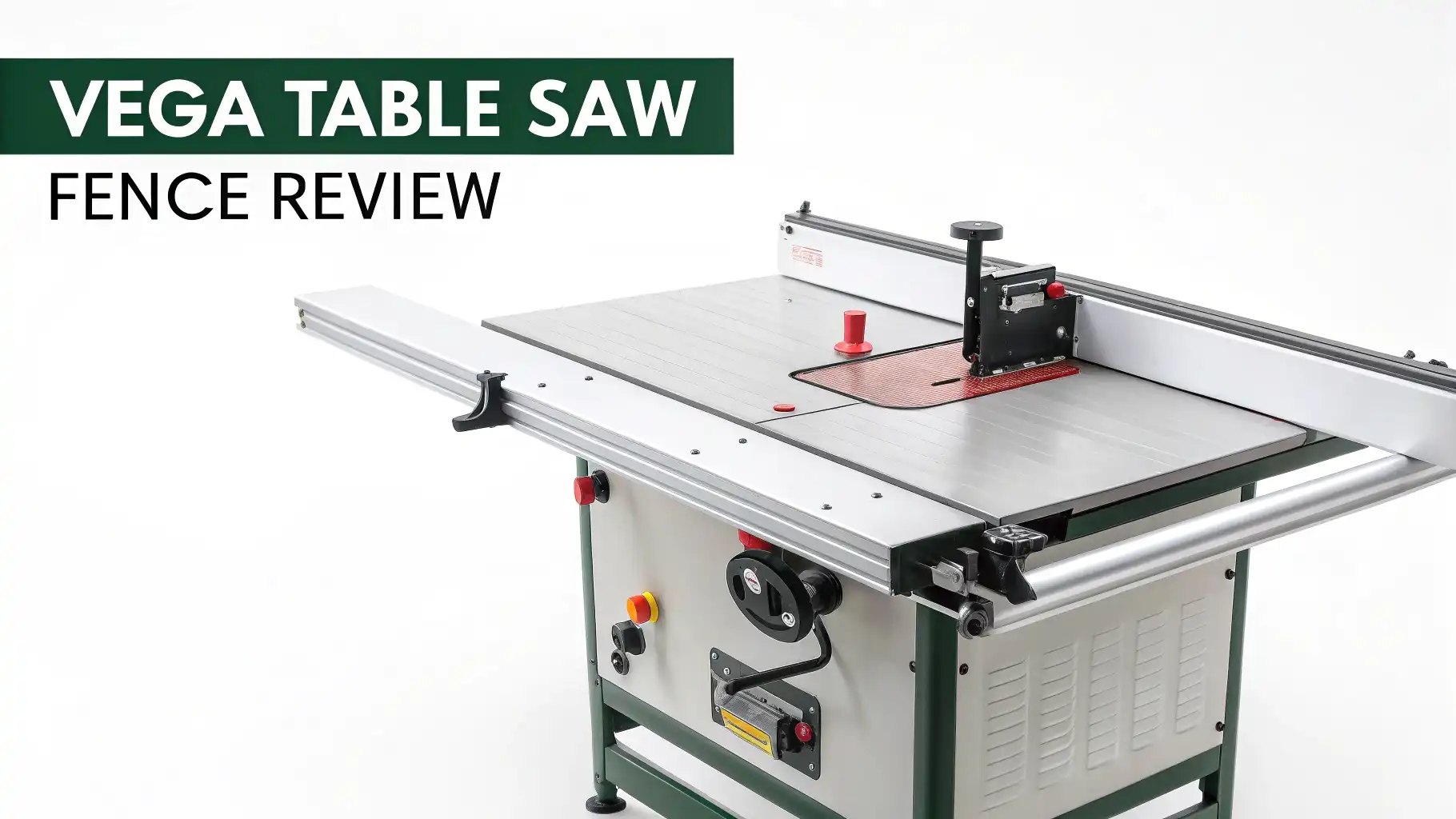
Vega has been making table saw fences for decades. The company focuses on accuracy and durability. Their fences use a T-square design that locks parallel to your blade. This design prevents the fence from moving during cuts.
The fence body is made from heavy gauge aluminum. This material provides strength without adding too much weight. The surface stays flat and straight over time. You will not see warping or bending issues that cheaper fences develop.
Every Vega fence includes a three point locking system. You lock the fence at the front rail. The back of the fence also locks securely. This dual locking prevents any movement during cutting. Your measurements stay exact from the first cut to the last.
Vega U26 Model Features and Performance
The Vega U26 is the smaller of the two main models. It provides 26 inches of cutting capacity to the right of your blade. You also get 8 inches of space to the left. This configuration works well for most home workshops and small professional shops.
The 36 inch fence bar gives you plenty of surface to reference your workpiece. Longer fences provide better support for large panels. You can attach auxiliary fences or other accessories to the standard fence.
The U26 includes the micro adjustment feature. You turn a small wheel to move the fence in tiny increments. Each click moves the fence a precise amount. This feature helps when you need to sneak up on a perfect fit.
Installation takes a few hours for most woodworkers. You need to drill mounting holes in your table saw. The instructions include detailed diagrams showing where to drill. Most users report successful installation on their first attempt.
Vega U50 Model Features and Performance

The Vega U50 offers 50 inches of cutting capacity to the right of your blade. This extra space lets you cut full sheets of plywood. Cabinet makers and furniture builders prefer this larger capacity. You still get 8 inches to the left of the blade for smaller cuts.
The fence uses the same 36 inch aluminum body as the U26. All the quality features remain the same. The difference is in the rail system. The U50 uses longer rails to support the extended cutting capacity.
The micro adjustment works identically to the U26 model. You get the same precision and control. The adjustment wheel turns smoothly even after years of use. The mechanism is protected from dust and debris.
The U50 requires more table space than the U26. Your saw table needs to support the longer rail system. The rail extends beyond your saw table by about 15 to 16 inches. Some woodworkers add a small extension table to support this overhang.
Top 3 Alternatives for Vega Table Saw Fence


Installation Process and Compatibility
Installing a Vega fence takes some mechanical ability. You need to drill holes in your saw table. You need to align the rail system properly. The instruction manual provides step by step guidance through the process.
First you remove your old fence system. This usually involves removing a few bolts. Next you position the Vega rail on your saw table. You mark where the mounting holes need to go. Then you drill the holes and bolt down the rail.
The fence works with most 10 inch table saws. Compatible brands include Craftsman, Delta, Jet, Powermatic, and many others. The mounting system adapts to different saw configurations. Some older saws may require custom modifications.
You need to zero the fence after installation. This means setting the fence so the measuring scale reads accurately. You place the fence exactly at your blade. Then you adjust the cursor to read zero. This step ensures all your measurements will be accurate.
Micro Adjustment Feature Explained
The micro adjustment feature is a key selling point for Vega fences. This mechanism lets you move the fence in tiny increments. You turn a small wheel located on the fence body. Each turn moves the fence a precise amount.
This feature solves a common woodworking problem. Sometimes you need a cut that is slightly wider or narrower. Without micro adjustment you must unlock the fence and try to reposition it perfectly. This wastes time and increases frustration.
With the Vega micro adjustment you keep the fence locked. You simply turn the adjustment wheel. The fence moves while staying locked and parallel to the blade. You can sneak up on a perfect fit by making small adjustments.
The adjustment range covers about half an inch in total movement. This range handles most fine tuning needs. If you need to move the fence more than this you unlock it and reposition it normally.
Build Quality and Durability
Vega fences are built to last decades. The company uses heavy gauge aluminum for the main fence body. This material resists corrosion and stays straight. The aluminum is thick enough to prevent flexing during use.
The locking mechanism uses solid metal components. Plastic parts break over time. Vega avoids this problem by using metal for critical parts. The locks engage firmly and hold position under cutting pressure.
The rail system uses hollow steel tubing. This design provides strength while reducing weight. The rail surface is smooth and precision ground. The fence head slides easily along the entire length.
Users report their Vega fences lasting 10 to 20 years with regular use. Some fences outlast the table saws they are mounted on. The fence becomes a long term investment rather than a disposable tool.
Accuracy and Measurement System
Accuracy is the main reason people buy aftermarket fences. The Vega fence delivers repeatable accuracy within a few thousandths of an inch. This level of precision satisfies most woodworking needs.
The measuring scale is printed on an adhesive backed tape. This tape adheres to the rail permanently. The numbers remain clear and readable for years. The scale shows measurements in both inches and fractions.
A cursor or indicator shows where the fence is positioned. You align the cursor with the scale to set your cut width. The cursor has a fine line that points to the exact measurement. This makes reading dimensions easy.
Some users add aftermarket measuring systems to their Vega fences. Digital readouts can replace the standard scale. These digital systems show measurements in decimal inches. You gain even more precision with a digital upgrade.
The fence locks parallel to your blade within 0.001 inches over the full length. This parallelism is critical for safe accurate cutting. A fence that is not parallel can cause kickback or burn marks on your wood.
Price Comparison and Value Assessment
The Vega U26 costs about $350 on Amazon. The U50 model runs around $415. These prices place Vega in the mid to high range for aftermarket fences. Some fences cost less. Some professional fences cost more.
When you compare features the Vega offers good value. You get the micro adjustment feature. You get solid metal construction. You get a fence that will last for decades. Cheaper fences often lack these qualities.
The Delta T3 fence costs about $290. This makes it a less expensive option. The Delta fence is also well regarded. It lacks the micro adjustment feature that Vega offers.
The BOW Products XT fence costs only $150. This is a budget friendly option with modern features. It includes T-track slots for accessories. The build quality is not quite as robust as Vega but it works well for many users.
User Experience and Customer Reviews
Customer reviews for Vega fences are mostly positive. The U26 has a 4.1 star rating on Amazon with 241 reviews. The U50 has a 4.4 star rating with 179 reviews. These ratings indicate generally satisfied customers.
Users praise the accuracy and repeatability of the fence. Many reviewers mention making test cuts and finding perfect measurements. The fence stays where you set it without drifting.
The micro adjustment feature receives specific praise. Woodworkers who build cabinets and furniture appreciate this capability. They can dial in perfect fits for drawers and doors.
Some negative reviews mention installation difficulties. The fence requires drilling into your saw table. Some users struggle with getting the alignment perfect. Patient installation following the instructions usually solves these problems.
A few reviews mention sharp corners on the fence body. Some users file or sand these corners smooth. This is a minor issue that takes a few minutes to address.
Maintenance and Long Term Care
Vega fences require minimal maintenance. You should clean the rail surface occasionally. Sawdust builds up and can affect fence movement. A simple wipe down with a dry cloth removes dust.
The rail surface benefits from occasional waxing. Paste wax or dry lubricant helps the fence glide smoothly. Apply a thin coat to the rail. Buff it to a smooth finish. This treatment lasts several months.
The locking mechanism needs no special care. Keep it free from sawdust buildup. An occasional blast of compressed air clears out any debris. The mechanism should lock firmly for decades without adjustment.
Check the fence alignment once or twice a year. Verify that it locks parallel to your blade. Heavy use can sometimes shift the mounting slightly. A quick check ensures continued accuracy.
Comparing Vega to Other Popular Fences
The Delta T3 fence is a major competitor to Vega. Both fences use T-square designs. Both lock at front and back. The Delta fence costs less but lacks the micro adjustment feature. Many users find both fences equally accurate.
The Shop Fox Classic fence offers another alternative. Shop Fox fences are popular in home workshops. They cost more than Vega in some configurations. The Shop Fox fence has a larger following among hobby woodworkers.
The Incra fence system takes a different approach. Incra uses a rack and pinion design. You can position the fence to exact measurements using the indexed positioning system. This fence appeals to woodworkers who value precision above all else.
The BOW Products XT fence represents a modern approach. This fence includes T-track slots along its length. You can attach featherboards and other accessories anywhere on the fence. The fence is more affordable than Vega but uses lighter materials.
Common Problems and Solutions
The most common issue users report is installation alignment. The fence must be perfectly parallel to your blade. Take time during installation to check alignment carefully. Use a combination square or dial indicator to verify parallelism.
Some users experience difficulty moving the fence smoothly. This usually indicates sawdust buildup on the rail. Clean the rail thoroughly. Apply a light coat of paste wax. The fence should glide easily after this treatment.
A few users mention the fence not locking firmly. This can happen if the mounting bolts work loose over time. Check all mounting bolts and tighten as needed. The three point locking system should hold the fence rock solid.
The micro adjustment wheel can become stiff in dusty environments. Blow out any dust with compressed air. The mechanism is sealed but dust can accumulate around the adjustment wheel. Keep this area clean for smooth operation.
Who Should Buy a Vega Fence
The Vega fence works well for serious hobby woodworkers. If you spend regular time in your workshop you will appreciate the quality. The fence improves your cutting accuracy immediately. Your projects will look more professional.
Small professional shops benefit from Vega fences. Cabinet makers and furniture builders need reliable accuracy. The micro adjustment feature helps when fitting parts precisely. The fence is priced appropriately for professional use.
Woodworkers who upgrade older table saws often choose Vega. An old Craftsman or Delta contractor saw gets new life with a quality fence. The fence can outlast the saw itself. You can transfer it to a new saw later.
The fence may not suit beginners who are just starting woodworking. The installation requires some mechanical ability. The price might be high for someone unsure about their commitment to woodworking. A beginner might start with their saw’s stock fence.
Frequently Asked Questions
Can I install a Vega fence on my Craftsman table saw?
Yes, Vega fences work with most Craftsman table saws. You will need to drill new mounting holes in your saw table. The Vega instruction manual includes hole patterns for common saw models. Many users successfully install Vega fences on Craftsman saws. The installation takes a few hours but the result is worth the effort.
Does the micro adjustment feature really make a difference?
The micro adjustment feature helps when you need precise fits. Cabinet makers use it to dial in perfect drawer openings. Furniture builders use it to match existing dimensions exactly. Some woodworkers rarely use this feature. Others consider it essential. The feature is available when you need it without interfering when you do not.
How long do Vega fences typically last?
Users report Vega fences lasting 10 to 20 years with regular use. Some fences remain in service even longer. The solid metal construction resists wear. The locking mechanism maintains its grip over time. Many users transfer their Vega fence to new saws when they upgrade. This longevity makes the fence a good investment.
Is the Vega fence worth the extra cost compared to cheaper options?
The Vega fence costs more than basic aftermarket fences. You get better build quality and the micro adjustment feature. The fence will last much longer than cheaper alternatives. If you do serious woodworking regularly the extra cost pays off. Budget woodworkers might find adequate performance from less expensive fences.
What size Vega fence should I choose?
Choose the U26 if you work mostly with smaller pieces. This model handles most furniture and cabinet work. Choose the U50 if you regularly cut full sheets of plywood. The larger capacity is essential for sheet goods work. Consider your typical projects when deciding. You can always handle smaller work on a larger fence but you cannot cut wide on a small fence.
Do I need any special tools to install a Vega fence?
You need basic hand tools and a drill. A combination square helps with alignment. Some users prefer a dial indicator for precise parallelism checking. The installation does not require specialized woodworking tools. Most home workshops have everything needed. Take your time during installation to ensure proper alignment.