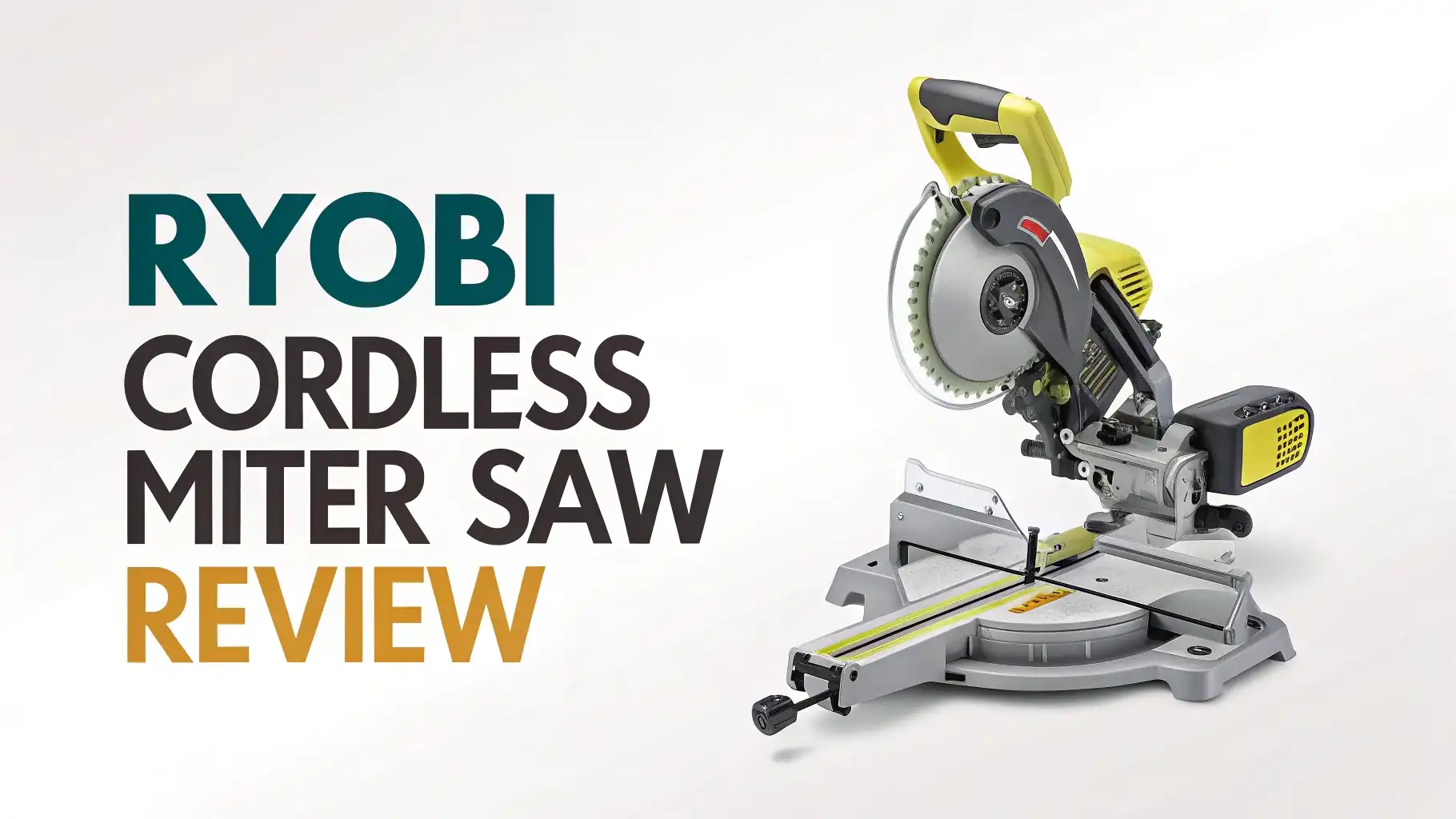
Ryobi Cordless Miter Saw Review: A Comprehensive Guide
Are you tired of dragging heavy corded miter saws around your workshop? Do you dream of making precise cuts anywhere without searching for an outlet?
You are in the right place. This review will show you everything about Ryobi cordless miter saws and help you choose the perfect model for your projects.
The Ryobi ONE+ cordless miter saw line gives you freedom and power combined. These saws work great for DIY projects, trim work, and even light framing jobs.
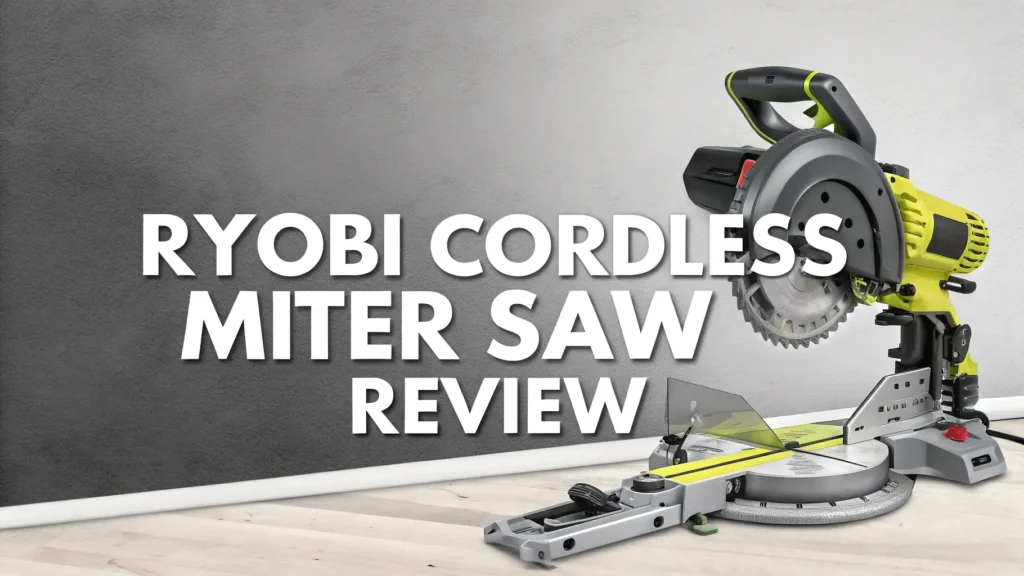
Key Takeaways
- Power and Performance: Ryobi cordless miter saws deliver up to 3,600 RPM with brushless motor technology. The 18V ONE+ system provides enough cutting power for most home projects and professional trim work. You get cordless convenience without sacrificing performance.
- Battery Life Excellence: These saws offer impressive runtime with up to 900 cuts per charge using a 9.0Ah battery. Even with a 4.0Ah battery, you can complete around 200 cuts. This means fewer interruptions and more productivity on your projects.
- Portability Advantage: At just 25 pounds for the 7-1/4 inch model, these saws are incredibly easy to carry. The dual-side carrying handles make transportation simple. You can move the saw between floors or job sites without straining your back.
- Cost Effective Solution: Ryobi cordless miter saws provide excellent value compared to other brands. If you already own ONE+ batteries, you only pay for the bare tool. The platform compatibility gives you huge savings over time.
- Versatile Cutting Capacity: The sliding compound design handles 2×10 inch nominal cuts on the 7-1/4 inch model. The 10-inch models cut even larger materials. You get professional capacity in a portable package.

Understanding Ryobi Cordless Miter Saw Technology
The Ryobi ONE+ system changed how cordless tools work. The 18V platform powers over 280 different tools. You buy batteries once and use them across your entire tool collection. This approach saves money and reduces clutter in your workshop.
The brushless motor technology in newer models delivers better performance than older brushed motors. Brushless motors run cooler and last longer.
They provide more power from the same battery. The electronic control adjusts power delivery based on cutting resistance. This gives you smooth cuts through different materials.
The miter saw head pivots for angle cuts. Most models offer stops at common angles like 0, 15, 22.5, 31.6, and 45 degrees. The bevel function tilts the blade for compound cuts.
Ryobi 18V ONE+ 7-1/4 Inch Miter Saw Features
This model brings serious cutting power in a compact package. The 7-1/4 inch blade spins at 3,600 RPM. This speed handles softwoods and hardwoods effectively. The brushless motor delivers consistent power throughout the battery charge.
The saw weighs only 25 pounds. You can carry it with one hand using the dual handles. The compact size fits easily in your truck or storage area. The fence adjusts for different cutting needs. The integrated work clamp holds material securely during cuts.
The bevel capacity reaches 45 degrees to the left. This covers most common bevel cutting needs. The miter range includes preset stops at popular angles.
The machined cast miter scale provides accurate angle readings. The dust port accepts a 1-1/4 inch vacuum hose. A dust bag comes included for basic dust collection.
Ryobi ONE+ 18V Cordless 7-1/4 Inch Sliding Compound Miter Saw

The sliding version offers expanded cutting capacity. The dual rail system allows the blade to move forward and backward. This increases your crosscut capacity significantly.
You can cut boards up to 12 inches wide laying flat. The vertical cutting capacity handles 2×10 nominal lumber standing against the fence.
The sliding mechanism uses precision rails. These rails keep the blade aligned during the entire cut. The movement feels smooth after the initial break-in period. Some users report the sliding action feels stiff at first. This usually improves with use.
The compound feature combines miter and bevel cuts. You can create complex angles for crown molding and trim work. The saw makes nested crown cuts up to 5-1/4 inches. The baseboard capacity reaches 3-5/8 inches standing against the fence. These dimensions cover most residential trim applications.
Top 3 Alternative for Cordless Miter Saw


Battery Performance and Runtime
Battery capacity directly affects how many cuts you get. The Ryobi system offers batteries from 1.5Ah to 9.0Ah. Larger batteries provide more cuts but add weight to the saw. The 4.0Ah battery represents a good balance for most users.
A 4.0Ah battery delivers approximately 200 cuts through 2×4 lumber. The 9.0Ah HP battery extends this to 900 cuts. Your actual results depend on material hardness and cut depth. Cutting pressure treated lumber drains batteries faster than pine.
The battery fuel gauge shows remaining charge. You can plan your work around battery swaps. Keep a spare battery charging while you work. This ensures continuous productivity. The batteries charge faster with higher amp chargers.
Precision and Accuracy Features
Accurate cuts start with proper saw setup. The miter scale must align with actual blade position. Check this alignment regularly with a square. Small adjustments keep your cuts precise. Most Ryobi models include adjustment points for calibration.
The fence plays a critical role in cut accuracy. Both sides of the fence must sit square to the blade. Loose fence bolts allow the fence to shift. Tighten these bolts firmly after adjusting fence position. Use a precision square to verify fence alignment.
The bevel stops set common angles. The zero degree stop should place the blade perfectly vertical. Check this with a square against the blade. Adjust the stop screw if needed. The 45 degree stop needs similar verification. Make test cuts to confirm actual angles.
Safety Features and Blade Brake Technology
The electric brake stops the spinning blade quickly. This reduces accident risk after finishing a cut. The blade stops within 3 seconds on most models. Never touch the blade until it completely stops. Listen for the motor to quit running.
The two step trigger prevents accidental starts. You must press the safety button before pulling the trigger. This design requires deliberate action to operate the saw. Keep both hands on the saw during operation. Never bypass or disable this safety feature.
The blade guard covers the blade when not cutting. It retracts automatically as you lower the blade. Some models require manual guard adjustment for blade changes. Always replace the guard after maintenance. Never operate the saw with the guard removed or damaged.
Dust Collection System Performance
Miter saws create large amounts of sawdust. Good dust collection keeps your work area clean. The Ryobi dust port accepts standard 1-1/4 inch vacuum hoses. Connection to a shop vacuum dramatically improves dust capture.
The included dust bag works for basic collection. It catches most larger chips and sawdust. Fine dust still escapes into the air. The bag fills quickly during heavy use. Empty it frequently to maintain suction.
A shop vacuum provides superior performance. The strong suction pulls dust away from the blade. Much less dust settles on your work surface. Vacuum collection also improves cut visibility. You can see your cut line more clearly.
Portability and Transport Convenience
Weight matters when moving tools frequently. The 7-1/4 inch models weigh about 25 pounds. The 10 inch models reach 34 pounds. These weights make the saws easy to carry short distances. Larger corded saws often exceed 50 pounds.
The side handles provide secure grip points. You can carry the saw with one hand when needed. The handles position the weight close to your body. This reduces strain during transport. Some users prefer top mounted handles for easier walking. Ryobi uses side handles to reduce overall height.
The compact size fits in vehicle storage areas. You can transport the saw in a car trunk. Truck beds easily accommodate multiple tools. The saw works great for mobile contractors. Take it inside customer homes without struggle.
Comparing 7-1/4 Inch vs 10 Inch Models
Blade size affects cutting capacity and portability. The 7-1/4 inch models handle most trim and framing tasks. They cut 2×10 lumber in a single pass. The smaller blade creates a narrower kerf. This produces less waste and requires less power.
The 10 inch models increase cutting capacity. They crosscut 2×12 lumber easily. The larger blade handles thicker stock. Crown molding capacity increases to handle taller profiles. The extra capacity helps with specific applications.
Weight increases with blade size. The 10 inch saws weigh about 9 pounds more. This makes them less portable than 7-1/4 inch models. Consider your typical projects when choosing. Buy the smallest saw that meets your needs.
Price and Value Comparison
Ryobi offers excellent value in the cordless miter saw market. The 7-1/4 inch bare tool costs around 160 dollars. Competitor models often exceed 300 dollars. The ONE+ platform compatibility adds tremendous value. You use existing batteries across all your tools.
Kit prices include batteries and charger. These packages cost more initially but provide everything needed. Compare kit prices to bare tool plus separate battery purchases. Sometimes buying separately saves money. Check for seasonal sales and bundle deals.
The warranty coverage protects your investment. Ryobi offers a three year limited warranty. This covers manufacturing defects and normal use failures. Register your purchase to activate warranty coverage. Keep your receipt as proof of purchase date.
Common Applications and Best Uses
Trim carpentry represents an ideal application. The saw handles baseboards, crown molding, and door casings. The portability lets you cut material at installation locations. This reduces material handling and improves efficiency. The precision creates tight fitting joints.
Deck building benefits from cordless convenience. You cut posts, rails, and decking boards on site. The sliding capacity handles wider deck boards easily. The miter function creates angle cuts for railings. Battery power eliminates generator needs.
Picture frame construction requires accurate miter cuts. The preset angles at 45 degrees work perfectly. The smaller 7-1/4 inch blade produces cleaner cuts in thin material. The laser guide helps position delicate pieces. Test cuts on scrap ensure perfect angles before cutting good material.
Maintenance and Blade Care
Regular cleaning extends saw life. Sawdust accumulates in moving parts over time. Blow out dust with compressed air after each use. Pay special attention to the sliding rails and pivot points. Remove the battery before any cleaning or maintenance.
Blade sharpness affects cut quality and battery life. Dull blades require more power to cut. They also produce rougher cuts with more tearout. Replace or sharpen blades when cuts become difficult. Keep several blades for different materials. Use fine tooth blades for trim and aggressive blades for framing.
Lubricate moving parts occasionally. The sliding rails benefit from dry lubricant spray. The bevel and miter pivots need periodic lubrication. Use products designed for power tools. Avoid heavy oils that attract sawdust.
User Experience and Real World Performance
Many users praise the portability above all else. The lightweight design makes the saw easy to move. Contractors appreciate taking it upstairs without strain. The cordless operation simplifies setup dramatically. You arrive at the cut location and start working immediately.
Battery life impresses most users. The saw completes full project days on charged batteries. Keeping a spare battery eliminates downtime. The ONE+ platform means batteries charge while using other tools. This creates an efficient workflow.
Some users report calibration challenges initially. The saw may not cut perfectly square out of the box. Taking time to adjust stops and fence improves performance significantly. This calibration requirement applies to most miter saws regardless of brand. Patient setup produces excellent results.
Accessories and Compatible Add-Ons
Miter saw stands expand functionality significantly. Universal stands accept most saw models. Look for quick release mounting systems. Rolling stands improve portability for mobile work. Extension arms support long material during cutting.
Laser guides enhance cut precision. Aftermarket lasers attach to some models. The laser projects exactly where the blade will cut. This works better than painted lines for some users. Check compatibility before purchasing.
Specialty blades optimize performance for specific materials. Fine tooth blades reduce splintering in finished materials. Aggressive tooth designs cut faster through rough lumber. Diamond blades cut masonry and tile. Match blade type to your most common materials.
Frequently Asked Questions
How long does the battery last on a Ryobi cordless miter saw
Battery runtime depends on battery capacity and cutting demands. A 4.0Ah battery typically delivers 200 cuts through standard 2×4 lumber. The larger 9.0Ah battery extends this to approximately 900 cuts. Cutting harder materials like oak or pressure treated wood reduces these numbers. Keep a charged spare battery available for continuous work.
Can Ryobi cordless miter saws cut hardwood effectively
Yes, Ryobi cordless miter saws handle hardwood cutting well. The brushless motor maintains speed under load. Use a sharp blade with appropriate tooth count for best results. Hardwood cutting drains batteries faster than softwood. The saw may slow slightly in very thick hardwood but completes cuts successfully.
Are Ryobi cordless miter saws accurate enough for trim work
Ryobi miter saws deliver adequate precision for trim carpentry when properly calibrated. Check and adjust the miter stops, bevel stops, and fence alignment. Make test cuts before starting projects. The saws produce tight fitting miters comparable to corded models. Professional trim carpenters successfully use these saws daily.
What size blade should I choose for general DIY projects
The 7-1/4 inch blade size handles most DIY applications perfectly. This size cuts standard framing lumber and common trim materials. The saw remains lightweight and portable. Choose the 10 inch model only if you regularly cut very wide boards or thick posts. The smaller saw offers better value for occasional users.
Do I need to buy Ryobi batteries or will other brands work
You must use Ryobi ONE+ 18V batteries with Ryobi cordless miter saws. The battery platform uses proprietary connections and communication protocols. Other brands do not fit or function. This platform exclusivity actually provides benefits through consistent performance and safety features. The good news is ONE+ batteries work across over 280 different Ryobi tools.
How does the Ryobi compare to DeWalt and Milwaukee cordless miter saws
Ryobi offers excellent value compared to premium brands. DeWalt and Milwaukee saws typically cost 200 to 400 dollars more. They may include additional features or slightly better build quality. However, Ryobi saws perform comparably for most users. The price difference buys additional tools or accessories. Choose based on your existing battery platform and specific feature needs.
What maintenance does a Ryobi cordless miter saw require
Basic maintenance includes regular cleaning and blade care. Blow sawdust from moving parts after each use. Check blade sharpness and replace when cutting becomes difficult. Lubricate sliding rails and pivot points occasionally. Verify calibration before important projects. Store the saw in a dry location. Remove the battery during storage. This simple maintenance ensures years of reliable service.