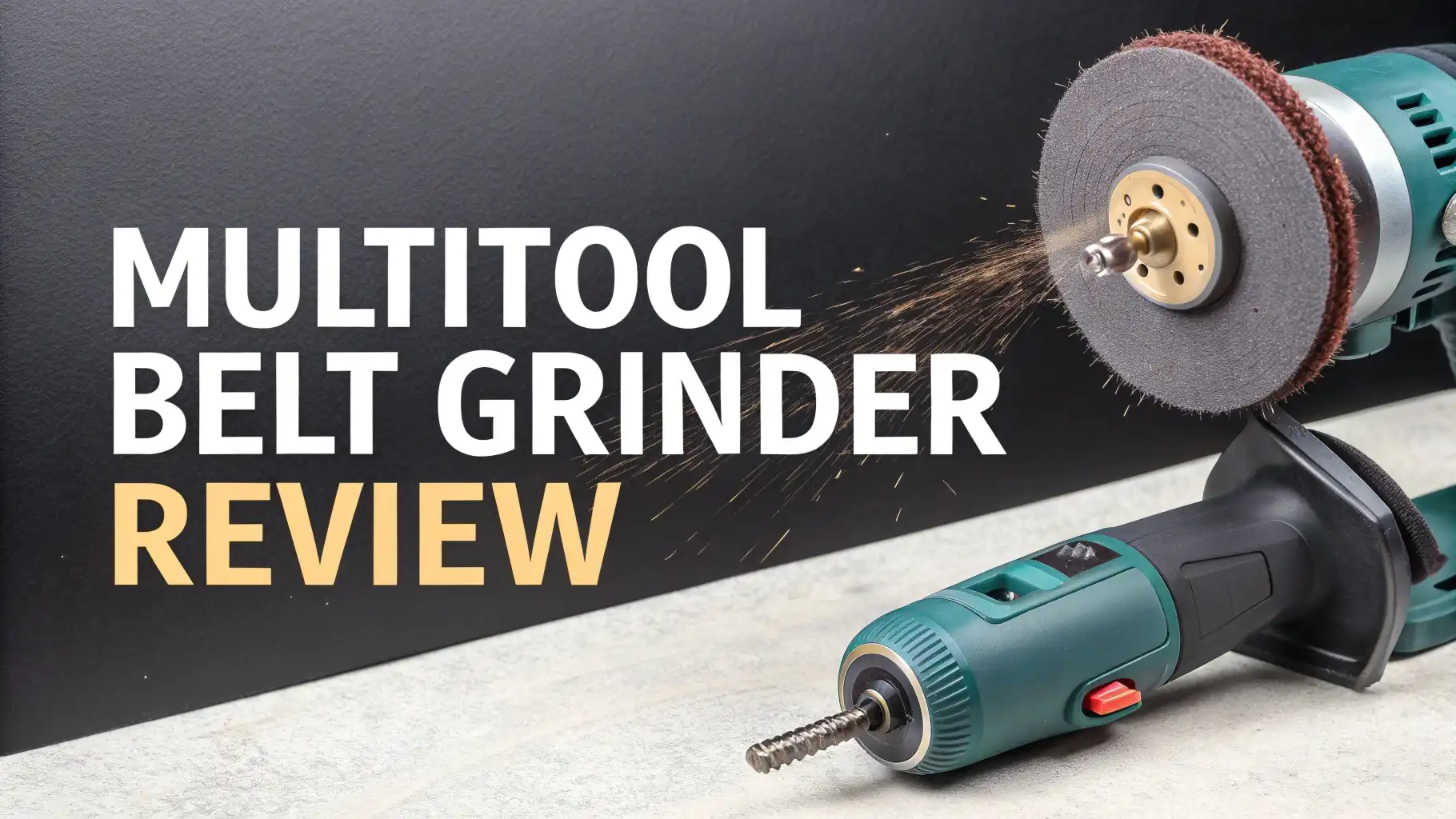
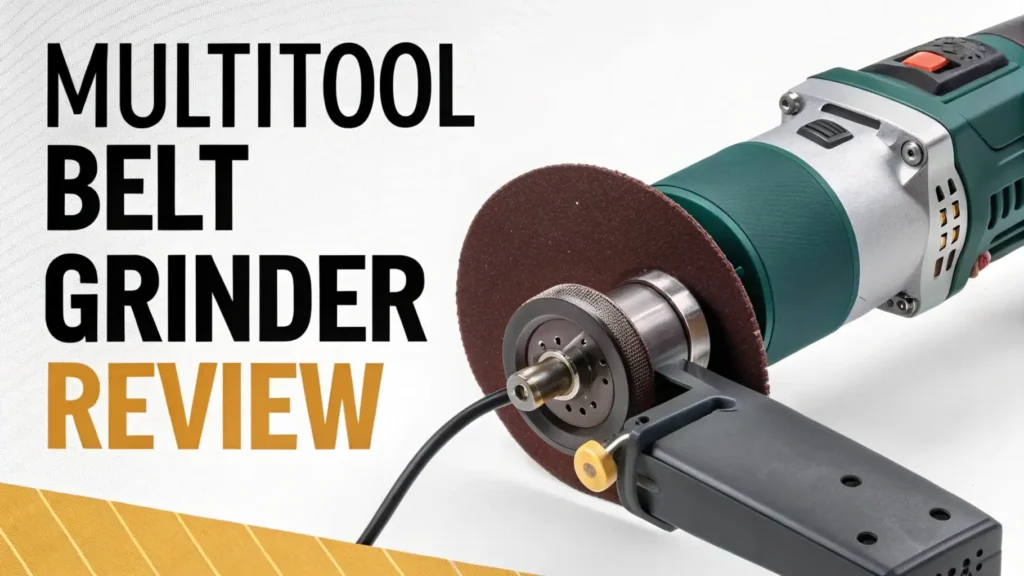
Multitool Belt Grinder Review: An Honest Deep Dive
Finding the right multitool belt grinder can transform your workshop. These powerful machines handle grinding, sanding, polishing, and sharpening tasks with ease.
Whether you work with metal, wood, or craft knives, a quality belt grinder saves time and delivers professional results.
This review examines the best multitool belt grinders available on Amazon today. You will discover which models offer the most value, performance, and versatility for your specific needs.
Key Takeaways
- Power and Performance Matter: A 1 HP motor provides sufficient power for most projects. Models with variable speed control offer better versatility. The belt speed typically ranges from 3,000 to 6,000 surface feet per minute, which removes material up to 5 times faster than standard grinding wheels.
- Size and Configuration Options: The 2×36 inch belt size is the most popular choice for home workshops. Combination units that include both belt sanders and disc grinders provide maximum versatility. Larger 2×72 inch models suit professional knife makers and metalworkers.
- Attachment Flexibility: Many grinders accept attachments that expand functionality. Look for models with multiple working surfaces, quick belt change systems, and adjustable work rests. Five different working surfaces give you options for flat grinding, edge work, and contour sanding.
- Build Quality: Industrial grade construction ensures longevity. Check for direct drive motors, solid aluminum bases, and quality bearings. The best models feature tool free adjustments and robust frames that minimize vibration.
- Price Range: Entry level attachments start around $100, mid range combo units cost $150 to $300, and professional standalone grinders range from $400 to $800. Your budget should match your intended use frequency and project complexity.

Understanding Multitool Belt Grinders
A multitool belt grinder uses a continuous loop of abrasive belt material to remove, shape, and finish various materials.
The belt runs on two or more wheels powered by an electric motor. This design creates multiple work surfaces in one machine. You can grind flat surfaces, work on edges, sand contours, and polish finished pieces without changing equipment.
The versatility makes these tools essential for workshops. Craftspeople use them for knife making, woodworking, metal fabrication, and restoration projects.
The belt changes quickly, letting you switch from aggressive material removal to fine finishing in seconds. Most models accept standard sized belts in various grit levels from coarse 40 grit to fine 400 grit and beyond.
Modern multitool grinders incorporate safety features like adjustable guards, work rests, and dust collection ports.
The work rest supports your material at the correct angle while the guard protects you from sparks and debris. Professional models include variable speed drives that let you match the belt speed to your material and task.
BUCKTOOL Belt Disc Sander Combo
The BUCKTOOL 4×36 inch belt and 6 inch disc sander delivers exceptional value for home workshops.
This combo unit features a 3/4 HP direct drive motor that provides consistent power without belt slippage. The portable aluminum base keeps the machine stable while remaining light enough to move around your workspace.
This model includes a 5.0 amp motor that maintains speed under load. The 4 inch wide belt handles larger workpieces than narrow 2 inch models.
You get both horizontal and vertical belt positions plus a 6 inch disc for detail work. The work table tilts from 0 to 45 degrees for angled grinding. Users praise the quick belt change system that requires no tools.
The dust port connects to standard shop vacuums to keep your workspace clean. The included miter gauge helps with precise angle work on the disc sander.
For the price point, this machine offers professional level performance that suits knife makers, woodworkers, and metal fabricators. The direct drive design eliminates maintenance issues common with belt driven models.
Original Multitool 2×36 Belt Grinder Attachment

This attachment transforms any 8 inch bench grinder into a versatile belt grinding station. The Multitool design mounts to your existing grinder’s arbor, utilizing the motor you already own. You get five different working surfaces including flat platen, horizontal belt, vertical belt, contact wheel, and edge positions.
The 2×36 inch belt size offers a good balance between maneuverability and working surface area. Belts are widely available and affordable compared to specialty sizes.
The attachment weighs approximately 25 pounds and installs in minutes. The contact wheel measures 3.5 inches diameter, perfect for curved work and contour grinding.
Users appreciate the quick release belt tensioner that makes belt changes effortless. The flat platen provides a solid backing for precise flat grinding. The tool accepts standard 5/8 inch arbor bench grinders running at 3450 to 3600 RPM.
At this speed, the belt moves at approximately 6,200 feet per minute, removing material rapidly. This attachment suits knife makers, tool sharpeners, and hobbyists seeking maximum versatility from existing equipment.
Top 3 Alternatives for Multitool Belt Grinders


VEVOR 8 Inch Bench Grinder with Belt Sander
The VEVOR combination unit pairs an 8 inch bench grinder with a 2×28 inch belt sander attachment. The 2.5 amp induction motor provides reliable power for metalworking and sharpening tasks. This design gives you three tools in one: left side grinding wheel, right side grinding wheel, and a belt sander.
The induction motor runs cooler and quieter than universal motors. It delivers consistent torque across the RPM range, important for precision grinding.
The cast iron base absorbs vibration while the rubber feet prevent walking during operation. The belt sander section includes an adjustable work table that tilts for angled grinding.
This model features tool rests on both grinding wheels and the belt section. The adjustable guards provide protection while allowing good visibility of your work.
Users note the solid construction and smooth operation. The combination design saves bench space compared to owning separate machines. The price point makes this an excellent choice for small shops and garage workshops.
BUCKTOOL Pro 1HP Metal Working Belt Sander

Serious metalworkers choose this 1 HP direct drive bench sander for demanding projects. The powerful motor handles aggressive grinding on steel, aluminum, and other metals without bogging down. The 4×36 inch belt combined with an 8 inch disc provides ample working surfaces for larger workpieces.
The heavy duty construction features a cast iron frame that weighs over 80 pounds. This mass dampens vibration for smoother operation and better finish quality.
The direct drive connection eliminates belts and pulleys that can slip or require adjustment. You get consistent power delivery from the motor directly to the drive wheel.
The model includes a precision miter gauge and adjustable work tables on both the belt and disc sections. The dust collection port measures 2.5 inches and connects to most shop vacuum systems.
The belt tracking adjustment ensures the belt runs centered without walking off the pulleys. Professional fabricators appreciate the industrial grade components that handle daily use in production environments.
Variable Speed Belt Grinder Options
Variable speed control expands your grinding capabilities significantly. Slower speeds work better for heat sensitive materials like thin metal or plastics. Higher speeds remove material faster on tough substrates. The ability to adjust speed lets you match the belt velocity to your task and material.
Electronic variable frequency drives provide smooth speed adjustment across a wide range. Quality VFD systems maintain torque at lower speeds, unlike simple rheostat controls that reduce power as you decrease speed. Look for models offering speed ranges from 1000 to 5000 surface feet per minute for maximum versatility.
The VEVOR 2×72 inch variable speed grinders represent excellent value in this category. These machines feature 1500 watt 2 HP motors with VFD controls. The larger 2×72 inch belt size suits knife making and professional metalworking. The included grinding moulds provide multiple contact surfaces for different grinding operations.
Knife Making Specific Grinders
Knife makers have specific requirements that general purpose grinders may not meet. The blade grinding process demands flat platens, good belt tracking, and sufficient power. A 2×72 inch belt has become the standard for serious blade work because it provides enough length for full blade grinds without joints.
Quality knife making grinders include adjustable work rests that support the blade at precise angles. The platen should be perfectly flat and made from hardened steel or glass. Some models offer interchangeable contact wheels in various diameters for hollow grinds and curved profiles.
The belt speed matters for knife work. Most bladesmiths prefer speeds between 3000 and 5000 surface feet per minute. Too fast generates excessive heat that can damage blade temper. Too slow reduces cutting efficiency. Variable speed models let you dial in the perfect balance for your specific steel and grit combination.
Small Bench Grinder Attachments
Not everyone has space or budget for a standalone belt grinder. Bench grinder attachments solve this problem elegantly. These accessories mount to your existing grinder, adding belt grinding capability without purchasing a complete new machine.
The original Multitool attachment pioneered this concept and remains popular. Other manufacturers offer similar designs at various price points. Most require an 8 inch bench grinder with a 5/8 inch arbor and at least 3/4 HP. The grinder should run at 3450 or 3600 RPM for proper belt speed.
Quality attachments feature solid construction with precision machined components. The mounting plate should fit snugly on the arbor without wobble.
Look for ball bearing wheels that spin freely. The tensioning mechanism should provide adequate belt tension while allowing quick changes. A flat platen and contact wheel expand your grinding options significantly.
Belt and Disc Combination Units
Combination machines that pair a belt sander with a disc sander offer tremendous versatility. The belt handles long straight work and edge grinding. The disc excels at flat stock work, end grain sanding, and small detail pieces. Having both in one footprint maximizes workshop efficiency.
The disc size typically ranges from 6 to 10 inches diameter. Larger discs provide more working surface and better heat dissipation. The disc table should tilt at least 45 degrees and lock securely at common angles. A miter gauge track in the table enables precise angle work.
BUCKTOOL dominates this category with several well designed models. Their combination units feature direct drive motors, solid bases, and thoughtful details like built in storage for accessories. The dust collection systems on these machines work effectively when connected to appropriate vacuum sources.
Power and Motor Specifications
Motor power directly impacts grinding performance. Underpowered machines bog down when you apply normal pressure, slowing your work and potentially damaging motors. Adequate power maintains belt speed under load, ensuring consistent material removal.
For general workshop use, 3/4 to 1 HP motors provide sufficient power. These handle wood, softer metals, and most knife making tasks. Professional metalworkers and production knife makers should consider 1.5 to 2 HP models that maintain performance during heavy grinding sessions.
Direct drive designs outperform belt driven models in reliability and power transfer efficiency. The motor shaft connects directly to the drive wheel, eliminating belts that slip, wear, and require tension adjustment. Induction motors run cooler and quieter than universal motors, though they cost more initially.
Essential Features and Accessories
Several features separate excellent belt grinders from adequate ones. Tool free adjustments speed setup and reduce downtime. Quick release belt tensioners let you change grits in seconds. Dust collection ports protect your lungs and keep your workspace clean.
The work rest design matters significantly for safety and precision. It should adjust easily, lock securely, and position close to the belt. Gap between rest and belt should never exceed 1/8 inch to prevent workpiece catch. Some models include multiple work rests for different grinding stations.
Quality platens remain flat under grinding pressure. Cheap models can flex, creating convex surfaces on your work. Glass platens offer the flattest surface but can break. Hardened steel platens provide excellent flatness with greater durability. Graphite platens reduce friction and heat buildup.
Maintenance and Safety Tips
Proper maintenance extends grinder life and ensures safe operation. Check belt tracking before each use. Belts should run centered on wheels without contact with guards or frame. Adjust tracking with the tension mechanism while the machine runs at low speed.
Inspect belts regularly for tears, fraying, or embedded metal particles. Replace damaged belts immediately. Store unused belts hanging or loosely rolled to prevent permanent creases. Clean rubber wheels periodically with belt cleaning sticks to maintain traction.
Safety requires constant attention. Always wear safety glasses and consider a face shield for heavy grinding. Avoid loose clothing, jewelry, or anything that could catch in moving parts. Keep your work rest adjusted close to the belt. Use push sticks or holders for small pieces. Never grind on the side of a belt not backed by a platen or wheel.
FAQs
How do I choose the right belt size?
The belt size determines what projects your grinder can handle effectively. Narrow belts like 1×30 inches work well for small detail work and knife sharpening. The 2×36 inch size provides a good balance for home workshops, handling most projects while keeping costs reasonable.
Professional knife makers typically choose 2×72 inch belts because the length allows full blade grinding in one pass. The extra width provides more working surface and better heat dissipation. However, 2×72 machines cost significantly more and take up more space.
Consider belt availability and cost in your decision. Common sizes like 2×36 and 2×42 inches have many suppliers offering competitive prices. Specialty sizes may have limited sources and higher costs. Match the belt size to your most common projects rather than occasional special tasks.
What grit belts should I buy?
Different grits serve different purposes in the grinding process. Coarse grits from 36 to 80 remove material quickly for shaping and rough grinding. Medium grits from 100 to 180 refine surfaces and remove scratches from coarse grinding. Fine grits from 220 to 400 prepare surfaces for finishing.
Most workshops keep a basic selection including 60, 120, and 220 grit belts. Add coarser 36 or 40 grit for heavy material removal. Include finer 320 or 400 grit for finishing work. Buy belts in small quantities initially until you determine which grits you use most frequently.
Belt quality matters significantly. Cheap belts wear quickly and cut poorly. Professional grade belts from manufacturers like 3M, Norton, and VSM cost more but last longer and cut faster. For knife making, ceramic belts provide excellent performance and longevity despite higher initial cost.
Can I use a belt grinder for knife sharpening?
Yes, belt grinders excel at knife sharpening when used properly. The key is controlling pressure and maintaining the correct angle. Many knife makers and professional sharpeners use belt grinders exclusively for edge work. The continuous fresh abrasive provides consistent cutting action.
Use fine grit belts from 400 to 600 for sharpening. Coarser grits remove too much material and create rough edges. Apply light pressure and maintain a steady angle. Keep the blade moving across the belt to prevent heat buildup that could damage temper.
Consider adding a knife sharpening jig that holds the blade at the correct angle. These accessories ensure consistent bevels and make the sharpening process safer. Start with inexpensive knives until you develop confidence in your technique before tackling expensive blades.
How much space do I need for a belt grinder?
Space requirements vary significantly by grinder type and size. Bench grinder attachments like the Multitool require minimal additional space beyond your existing grinder. The attachment extends approximately 18 inches from the grinder face when installed. Allow clearance for belt changes and adjustments.
Standalone combination units typically measure 24 to 36 inches wide and 12 to 18 inches deep. You need additional clearance behind and beside the machine for long workpieces. Plan for at least 48 inches of clearance in front of the machine for comfortable operation.
Professional 2×72 inch grinders require the most space. These machines stand 60 to 72 inches tall and need floor space of approximately 24×24 inches. Consider ceiling height for vertical grinding operations. Many shops mount these grinders on wheeled bases for flexibility in positioning.
What is the difference between grinding and sanding?
Grinding and sanding both remove material through abrasion but differ in aggressiveness and application. Grinding uses coarser abrasives and higher speeds to remove material quickly. It shapes metal, sharpens tools, and removes welds or rust. Grinding generates more heat and requires careful technique to prevent damage.
Sanding employs finer abrasives at lower speeds for smoothing and finishing. It prepares surfaces for paint or coating, removes minor imperfections, and creates smooth finishes. Sanding generates less heat and removes material more slowly than grinding. The process is more forgiving for beginners.
Multitool belt grinders handle both operations by changing belt grit and adjusting speed. Use coarse belts at high speed for grinding tasks. Switch to fine belts at lower speeds for sanding and finishing work. The versatility makes these machines valuable for complete projects from rough shaping to final finish.