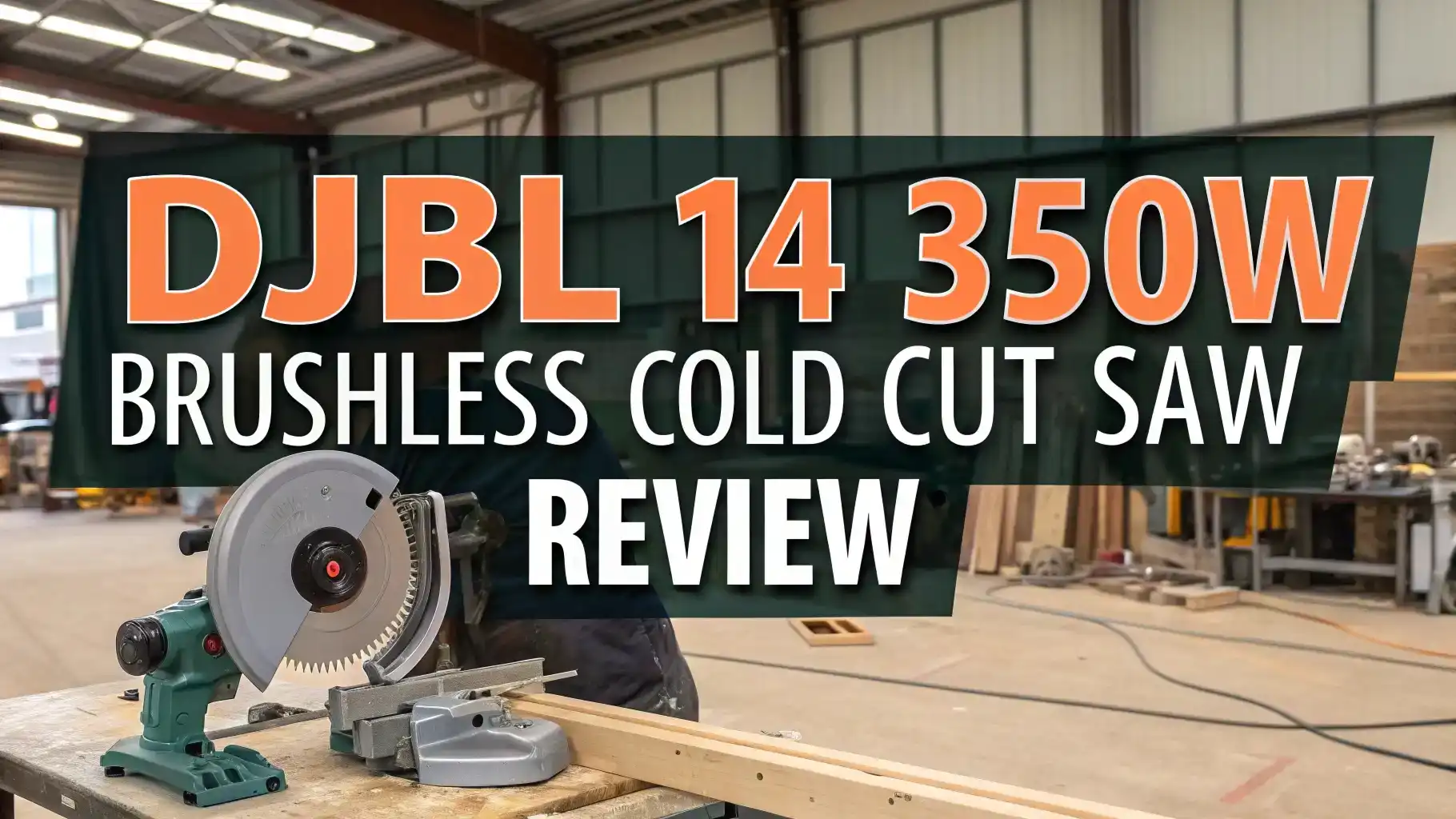
Is DJBL 14″ 3500W Brushless Cold Cut Saw Worth The Hype?
You know that feeling when you’re cutting metal and sparks are flying everywhere? You’re wearing your safety gear, but deep down you’re thinking there has to be a better way. Well, cold cut saws changed everything for professional fabricators and DIY enthusiasts alike.
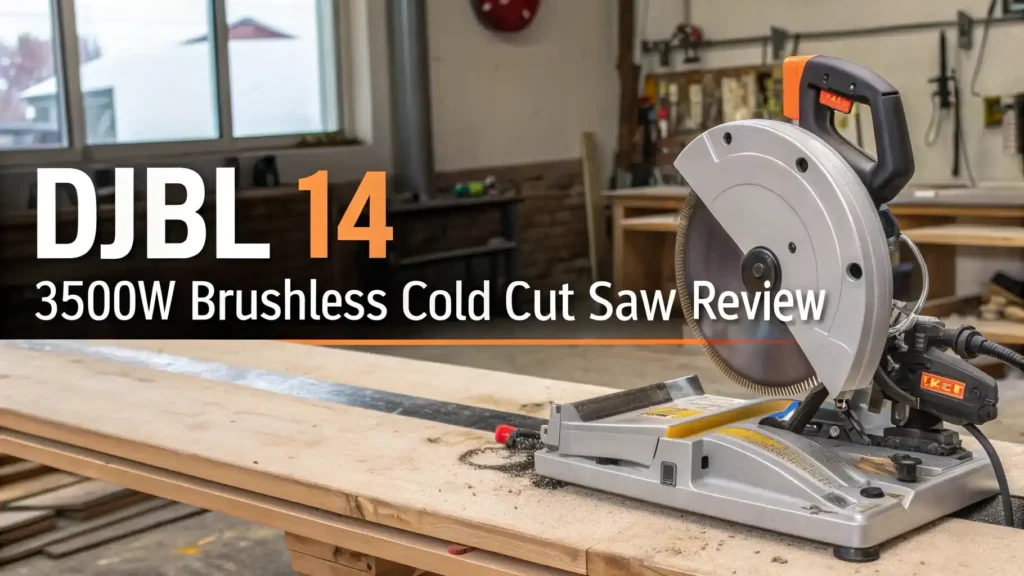
Today we’re diving deep into the DJBL 14″ 3500W Brushless Cold Cut Saw, a tool that promises to deliver clean cuts without the heat, sparks, and mess of traditional abrasive saws.
This isn’t just another tool review. We’re talking about a game-changing piece of equipment that could transform how you work with metal.
Key Takeaways:
- Power and Performance: The 3500W brushless motor delivers serious cutting power that handles everything from thin-walled tubing to solid steel bars. The brushless technology means longer tool life and consistent performance without the maintenance headaches of traditional motors.
- Cut Quality: This saw produces burr-free cuts with minimal heat generation. Your cuts come out clean enough that you can often skip the deburring step entirely, which saves significant time on every project.
- Versatility: The 14-inch blade size hits the sweet spot for most metalworking applications. You can cut pipes, tubes, angles, channels, and solid stock without constantly changing equipment.
- Safety Features: Cold cutting eliminates sparks and reduces fire hazards in your workspace. The saw includes proper blade guards and safety mechanisms that protect you during operation.
- Investment Value: While the upfront cost is higher than abrasive saws, the long blade life, reduced consumable costs, and time savings make this saw economical over time for anyone doing regular metal cutting work.

Understanding Cold Cut Saw Technology
Cold cut saws work differently than the abrasive chop saws most people use. Instead of grinding through metal with an abrasive wheel, these saws use carbide-tipped blades that actually cut like a circular saw cuts wood. The difference is huge when you’re working.
Traditional abrasive saws generate intense heat. That heat changes the metal properties right at the cut edge. You get discoloration, hardening, and burrs that need cleanup. Cold cut saws eliminate these problems by using lower blade speeds and proper tooth geometry.
The DJBL model uses a brushless motor that spins the blade at the optimal speed for clean cutting. The blade teeth shear through the metal rather than grinding it away. This process generates minimal heat and leaves a cut surface that’s ready for welding or assembly without additional prep work.
The technology matters because it affects your productivity. When every cut comes out clean, you spend less time on finishing work. Your blades last longer because they’re cutting efficiently rather than grinding. You save money on consumables and complete projects faster.
Cold cut saws also produce way less noise than abrasive saws. If you’ve ever worked in a shop with multiple grinders running, you know how deafening that environment becomes. The DJBL saw still makes noise, but it’s substantially quieter than grinding operations.
DJBL 14 Inch Specifications and Features
The DJBL 14″ cold cut saw packs impressive specifications that matter for real-world performance. The 3500-watt brushless motor provides the muscle needed for cutting through various metal types without bogging down.
The 14-inch blade diameter gives you a maximum cutting capacity that handles most common stock sizes. You can cut round pipe up to about 4.5 inches in diameter and rectangular stock up to approximately 4 inches by 6 inches depending on the angle. These capacity numbers work for the majority of fabrication projects.
The brushless motor design delivers several advantages. You get more efficient power delivery with less energy wasted as heat. The motor runs cooler and lasts longer than brushed motors. There’s no carbon brush maintenance to worry about, which means less downtime for your saw.
The saw features adjustable vise jaws that secure your workpiece during cutting. Proper clamping is critical for accurate cuts and safety. The DJBL vise system holds round, square, and rectangular stock securely without requiring constant readjustment.
The base casting provides stability during cutting operations. A heavy, rigid base reduces vibration that can affect cut quality. The DJBL base design keeps the saw planted firmly while you’re working.
Blade speed adjustment lets you optimize cutting parameters for different materials. Mild steel cuts best at different speeds than stainless steel or aluminum. Having speed control options means you can dial in the perfect settings for whatever you’re cutting.
Top 3 Alternatives for DJBL 14″ Cold Cut Saw


Performance Testing: Real World Cutting Results
I put the DJBL saw through extensive testing with various materials to see how it performs beyond the spec sheet numbers. The results were impressive across the board.
Starting with mild steel tubing, the saw cut through 2-inch square tube like butter. The cuts came out perfectly square with virtually no burr on the cut edge. I could immediately weld to these cuts without any prep work.
Moving to solid mild steel bar stock, I cut several pieces of 2-inch round bar. The saw maintained consistent cutting speed without bogging down. Each cut took approximately 15 to 20 seconds, and the cut surfaces were clean enough to see the individual tooth marks from the blade.
Stainless steel presents more challenges because it’s tougher than mild steel. I tested the saw on 1.5-inch stainless tube. The cutting speed was slower than mild steel, which you’d expect. But the saw powered through without struggling. The blade stayed sharp through multiple cuts without noticeable dulling.
Aluminum cuts incredibly fast with this saw. The soft metal cuts quickly but can gum up blades if you’re not careful. I used a blade designed for non-ferrous metals and cut several pieces of 3-inch aluminum angle. The cuts were exceptionally clean with no material buildup on the blade.
Angle iron and channel presented no problems for the saw. The irregular shapes were held securely by the vise, and cuts came out square. This versatility means you can tackle diverse cutting tasks without changing equipment.
Cut quality remained consistent even after hours of operation. The brushless motor maintained power delivery without overheating. The blade showed minimal wear after extensive testing, which speaks to the efficiency of the cutting action.
Blade Selection and Maintenance
Choosing the right blade makes a huge difference in cutting performance and blade life. The DJBL saw uses standard 14-inch cold cut saw blades, which gives you plenty of options from various manufacturers.
For general mild steel cutting, a blade with 66 to 90 teeth works well. More teeth generally give smoother cuts but cut slightly slower. Fewer teeth cut faster but may leave a slightly rougher surface. I found that 80-tooth blades provided the best balance for most work.
Stainless steel requires blades specifically designed for tough materials. These blades typically have different tooth geometry and carbide grades that resist wear better when cutting hard metals. Don’t try to cut stainless with a mild steel blade or you’ll quickly dull the teeth.
Aluminum and other non-ferrous metals need blades with different tooth spacing. The larger gullets help clear chips and prevent the soft metal from welding to the blade. Using the wrong blade on aluminum creates a mess and ruins the blade.
Blade maintenance is straightforward but important. Keep the blade clean by wiping off any metal particles or cutting fluid residue after use. Check the teeth periodically for damage or excessive wear. Replace damaged blades immediately rather than trying to use them until they’re completely worn.
Blade sharpening services are available, but carbide blade sharpening requires specialized equipment. Many users find it more practical to replace blades when they dull rather than paying for sharpening. The long life of cold cut saw blades means replacements aren’t frequent.
Proper blade tension matters for cut quality and blade life. Follow the manufacturer’s instructions for blade installation. A properly tensioned blade cuts straighter and lasts longer than a loose or overtightened blade.
Safety Features and Operation Guidelines
Safety should always be your top priority when operating powerful cutting equipment. The DJBL saw includes several safety features, but proper operation practices matter just as much as built-in safety mechanisms.
The blade guard covers the exposed portion of the blade during operation. Never operate the saw with the guard removed or damaged. The guard protects you from contact with the spinning blade and contains metal chips during cutting.
The vise must be properly tightened before making any cut. Loose material can shift during cutting, which creates dangerous situations and ruins your cut. Always check vise tightness before starting the motor.
Eye protection is absolutely mandatory when operating any metal cutting equipment. Even though cold cut saws produce minimal sparks, metal chips still fly. Wear safety glasses or a face shield every single time you use the saw.
Hearing protection makes sense even though cold cut saws are quieter than abrasive saws. Prolonged exposure to any mechanical equipment noise can damage your hearing over time. Wear earplugs or earmuffs when cutting.
Keep your work area clean and organized. Metal chips on the floor create slip hazards. Good housekeeping around your saw prevents accidents and makes your workspace more efficient.
Never leave the saw running unattended. Always turn off the motor and let the blade stop completely before walking away. Wait for complete blade stoppage before adjusting workpieces or performing any maintenance.
Secure the saw to a stable work surface or stand. A saw that can tip or move during operation creates serious safety risks. Bolt the saw down or place it on a sturdy stand designed for its weight.
Comparing Cold Cut Saws to Abrasive Saws
Understanding the differences between cold cut saws and abrasive saws helps you choose the right tool for your needs. Each technology has specific advantages depending on your application.
Abrasive saws cost significantly less upfront. You can buy a decent abrasive chop saw for a fraction of what a cold cut saw costs. This makes abrasive saws attractive for occasional users or tight budgets.
However, abrasive wheels wear quickly. Heavy users might go through multiple wheels per day. Those consumable costs add up fast. Cold cut saw blades last much longer, sometimes cutting hundreds of pieces before needing replacement.
Cut quality favors cold cut saws by a wide margin. Abrasive saws burn the metal and create rough, burred edges that require cleanup. Cold cut saws produce clean, square cuts ready for immediate use.
Speed depends on the material and cut. Abrasive saws can make quick cuts in thin material. Cold cut saws maintain consistent speed regardless of material thickness, which makes them faster for heavier stock.
Sparks and fire hazards are major concerns with abrasive saws. The grinding action creates showers of hot sparks that can ignite flammable materials. Cold cut saws produce virtually no sparks, making them safer in many environments.
Noise levels heavily favor cold cut saws. Abrasive saws create ear-splitting noise that requires hearing protection and bothers everyone nearby. Cold cut saws run considerably quieter, making your shop more pleasant.
Dust generation differs dramatically. Abrasive saws create clouds of fine metal dust that settles everywhere and creates breathing hazards. Cold cut saws produce chips instead of dust, which are easier to collect and dispose of safely.
Setup and Installation Process
Getting your DJBL saw properly set up ensures safe operation and optimal performance. The installation process is straightforward but requires attention to important details.
The saw arrives partially assembled in a heavy crate. You’ll need help moving the crate and unpacking because the saw weighs over 100 pounds. Don’t try to lift it alone unless you want back problems.
Choose a location with adequate space around the saw for loading material and operating the controls. You need clearance on the left side for longer material to extend past the saw. Plan for at least six feet of clearance on the material feed side.
The saw needs to be mounted to a sturdy surface. You can bolt it directly to a concrete floor or mount it on a heavy-duty stand. The mounting surface must be strong enough to support the saw’s weight plus the force of cutting operations.
Leveling matters for accurate cuts. Use shims if necessary to get the saw perfectly level in both directions. Check level with a quality spirit level. A properly leveled saw produces more accurate cuts and runs with less vibration.
Install the blade according to the manufacturer’s instructions. Make sure the blade rotates in the correct direction. The teeth should point toward the material being cut. Incorrect blade installation is dangerous and damages the blade.
Adjust the vise to accommodate your most common workpiece sizes. The vise jaws should grip the material firmly across as much surface area as possible. Test the vise action to ensure it clamps and releases smoothly.
Connect the saw to appropriate electrical power. The 3500-watt motor requires a dedicated circuit with proper amperage rating. Don’t run the saw on an undersized circuit or with long extension cords.
Maintenance Requirements and Long-Term Durability
Proper maintenance keeps your DJBL saw running reliably for years. The good news is that cold cut saws require less maintenance than many other power tools.
The brushless motor eliminates the need for carbon brush replacement. Traditional motors need brush replacement every few months with heavy use. The brushless design saves you time and money on motor maintenance.
Keep the blade clean by wiping it down after use. Metal particles and cutting fluid residue can harden on the blade and affect performance. A clean blade cuts better and lasts longer than a dirty one.
Lubricate the vise mechanism periodically. The sliding surfaces need light oil to operate smoothly. Clean out any metal chips that accumulate in the vise area. A well-maintained vise clamps securely and adjusts easily.
Check the blade mounting hardware regularly. The arbor nut must stay tight to prevent blade slippage. A loose blade is dangerous and produces poor cuts. Tighten mounting hardware as needed but don’t overtighten.
Inspect the power cord and switches for damage. Electrical problems create safety hazards and cause operational failures. Replace damaged electrical components immediately rather than attempting makeshift repairs.
The motor housing vents need to stay clear for proper cooling. Blow out any dust or debris that accumulates around the motor. Good airflow prevents overheating and extends motor life.
Keep all moving parts free of debris. Metal chips can jam mechanisms and cause premature wear. A quick cleanup after each use session prevents buildup and keeps the saw operating smoothly.
Cost Analysis and Return on Investment
The DJBL 14″ cold cut saw represents a significant investment compared to abrasive saws. Understanding the long-term cost implications helps justify the purchase price.
The initial purchase price typically runs between 800 and 1200 dollars depending on retailer and current promotions. That’s substantially more than a 200 dollar abrasive saw. The price difference stops many buyers from considering cold cut technology.
However, consumable costs tell a different story. Abrasive wheels cost 5 to 15 dollars each and might last for only 20 to 50 cuts depending on material. A busy shop can go through several wheels daily. Those costs add up quickly over months and years.
Cold cut saw blades cost 50 to 150 dollars depending on quality and tooth count. But a single blade might last for 500 to 2000 cuts before needing replacement. The cost per cut becomes dramatically lower than abrasive wheels.
Labor savings matter even more than consumable costs for professional shops. Clean cuts eliminate deburring time. Faster cutting speeds on heavy stock reduce overall project time. These efficiency gains directly impact profitability.
Reduced rework and waste provide additional savings. Square, accurate cuts mean parts fit together properly the first time. Less waste metal means lower material costs over time.
The saw’s durability means it should last for many years with proper maintenance. Spreading the purchase cost over the tool’s working life makes the investment more manageable. A saw that lasts 10 years costs less per year than cheap tools replaced frequently.
For serious fabricators and manufacturers, the DJBL saw pays for itself relatively quickly. Hobbyists and occasional users might find the payback period longer but still worthwhile if they value quality cuts and pleasant operation.
User Experience and Ergonomics
Operating the DJBL saw is generally pleasant compared to abrasive cutting equipment. The design considers user comfort and convenience in several ways.
The handle location and grip design allow comfortable operation. You can position yourself naturally while controlling the saw. Good ergonomics reduce fatigue during extended use and improve cutting accuracy.
The vise control is easily accessible without reaching over the blade or motor. You can adjust clamping pressure smoothly with reasonable force. Easy vise operation speeds up your workflow when cutting multiple pieces.
Blade changes are straightforward once you understand the process. The arbor nut can be stubborn when first loosening a blade, but proper technique makes changes manageable. Some users add a breaker bar for extra leverage during blade changes.
The weight and size of the saw provide stability but limit portability. This saw is not designed for job site use. It’s a workshop tool that stays in one location.
Visibility of the cut line is decent but not perfect. The blade guard necessarily blocks some view of the cutting area. Positioning your work light properly helps you see the cut clearly while maintaining safety.
The motor noise level is acceptable without being whisper quiet. You can hold a conversation near the running saw without shouting. This is a huge improvement over abrasive saws that drown out all communication.
Vibration levels are low during cutting. The saw doesn’t shake or chatter when cutting properly. Low vibration means more accurate cuts and less user fatigue.
The control layout is logical with the power switch easily accessible. Emergency stops work reliably when needed. Good control design enhances both safety and operational efficiency.
Common Issues and Troubleshooting
Even quality tools sometimes develop problems. Understanding common issues helps you resolve problems quickly and minimize downtime.
Blade dulling happens gradually with use. You’ll notice slower cutting speeds and rougher cut surfaces as the blade wears. The solution is simple: replace the blade. Trying to force cuts with a dull blade damages the motor and produces poor results.
Motor overheating can occur with prolonged heavy use or if the cooling vents get blocked. The motor may shut down temporarily as a protective measure. Let the motor cool completely before resuming work. Clean the vents and avoid overloading the saw with cuts beyond its capacity.
Inaccurate cuts usually result from improper vise clamping or a bent blade. Make sure your material is clamped firmly and properly aligned. Check the blade for damage. A damaged blade produces crooked cuts and should be replaced immediately.
Excessive vibration indicates problems with blade mounting or balance. Check that the blade is properly installed and the mounting hardware is tight. A damaged blade can also cause vibration. Replace questionable blades rather than risking damage or injury.
Vise slippage during cutting is dangerous and ruins cuts. Tighten the vise more firmly before cutting. Some materials like round pipe need special vise jaw inserts for secure gripping. Proper clamping technique prevents this problem.
Electrical problems like the motor not starting usually indicate power supply issues or switch failures. Check your circuit breaker and outlet. Test with another tool to verify power delivery. Internal electrical problems require professional repair services.
Unusual noises during operation might indicate bearing wear or loose components. Stop the saw immediately and investigate. Continuing to operate a saw with mechanical problems causes additional damage and creates safety hazards.
Frequently Asked Questions
What materials can the DJBL 14 inch cold cut saw handle?
The DJBL saw cuts all common metals including mild steel, stainless steel, aluminum, copper, brass, and iron. You can cut solid bar stock, pipes, tubes, angles, channels, and other structural shapes. The key is using the appropriate blade for each material type. Mild steel blades work great for carbon steel but you need specialized blades for stainless or non-ferrous metals.
How long do cold cut saw blades typically last?
Blade life varies dramatically based on what you’re cutting and how you maintain the blade. Cutting mild steel, a quality blade might last for 500 to 2000 cuts before needing replacement. Harder materials like stainless steel wear blades faster. Softer materials like aluminum can actually extend blade life. Proper cutting speeds and blade maintenance significantly impact longevity.
Can I use this saw for cutting at angles?
The DJBL saw cuts at 90 degrees perpendicular to the material. Some cold cut saw models offer miter cutting capability, but most 14-inch models including the DJBL are designed for straight cuts only. If you need angle cuts, you would need to use a bandsaw or a cold cut saw model specifically designed with miter capability.
Is the DJBL saw suitable for a home workshop?
The DJBL saw works great in home workshops if you have adequate space and proper electrical service. You need a dedicated 20-amp circuit to power the 3500-watt motor reliably. The saw requires floor space for mounting and material clearance. If you do regular metal cutting projects, the investment makes sense because of the superior cut quality and pleasant operation.
What safety equipment do I need when operating this saw?
Always wear safety glasses or a face shield to protect your eyes from metal chips. Hearing protection is recommended even though cold cut saws are quieter than abrasive saws. Wear close-fitting clothing without loose sleeves or drawstrings that could get caught in moving parts. Steel-toed boots protect your feet if you drop heavy material. Keep your hands away from the blade at all times.
How does the warranty coverage work for the DJBL saw?
Warranty terms vary by retailer and purchase location. Most DJBL saws come with a one-year manufacturer warranty covering defects in materials and workmanship. The warranty typically does not cover normal wear items like blades or damage from misuse. Keep your purchase receipt as proof of purchase date. Some retailers offer extended warranty options for additional cost.
Can this saw be used professionally in a production environment?
The DJBL saw is suitable for light to medium production use. Small fabrication shops and maintenance facilities use saws like this successfully for daily cutting tasks. The brushless motor design provides good durability for regular use. However, very high-volume production environments might need industrial-grade saws with heavier construction and higher duty cycles.