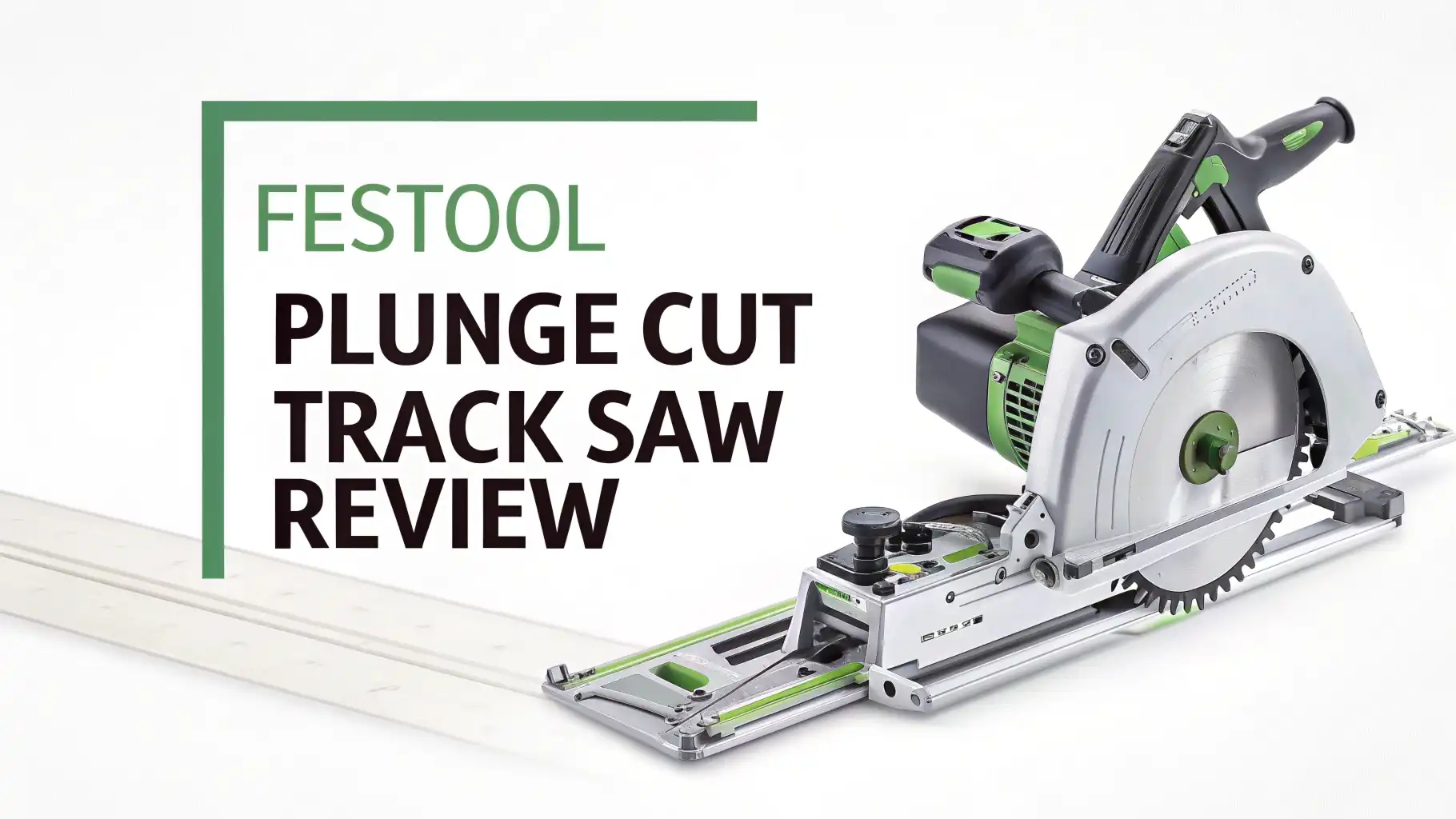
Festool Plunge Cut Track Saw Review: Is It Worth the Hype?
You know that feeling when you find a tool that changes everything? That’s what happens when serious woodworkers get their hands on a Festool track saw. Today, we’re diving deep into why this German-engineered beauty has become the gold standard for precision cutting.
Whether you’re building custom cabinets in your garage or running a professional woodshop, the right saw makes all the difference. Festool has built a reputation that makes other brands nervous. Their track saws deliver cuts so clean you might forget what sandpaper looks like.
Let me walk you through everything you need to know about the Festool plunge cut track saw. We’ll cover the features, performance, comparisons, and whether it’s worth the investment. By the end, you’ll know if this tool deserves a spot in your workshop.
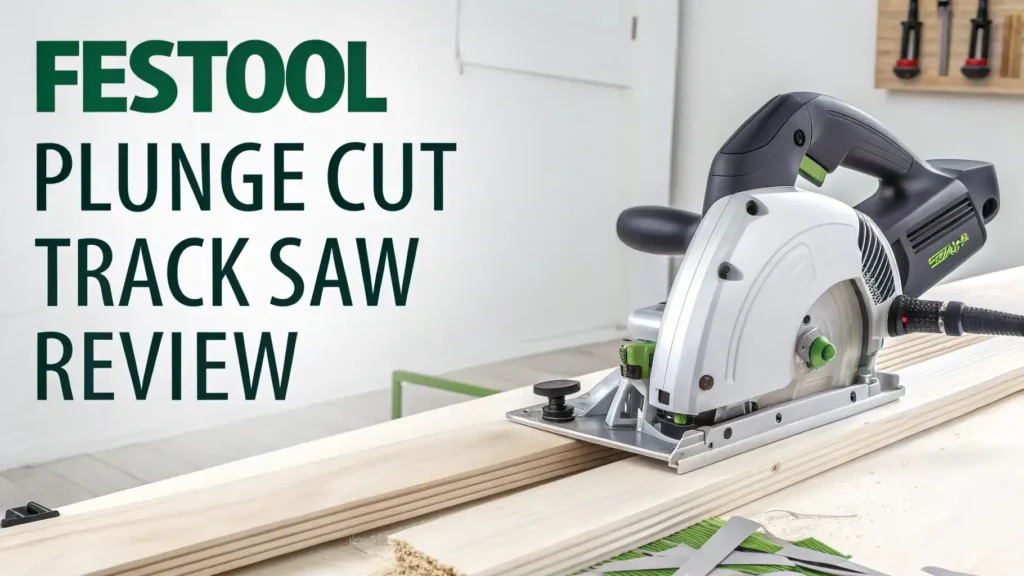
Key Takeaways:
- Precision cuts without tearout: The scoring function and sharp blades create cabinet-quality edges right off the saw, eliminating hours of cleanup work and saving you money on materials
- Dust collection that actually works: Festool’s extraction system captures up to 95% of sawdust at the source, keeping your workspace clean and protecting your lungs from harmful particles
- Track system versatility: The guide rails connect seamlessly and work across multiple Festool tools, turning your investment into a complete cutting ecosystem
- German engineering quality: Built with materials and tolerances that ensure this saw will still cut true after thousands of cuts, making it a genuine long-term investment
- Premium price justified by performance: While expensive upfront, the time saved, material waste reduced, and durability mean lower cost per project over the tool’s lifetime

What Makes Festool Track Saws Special
Festool didn’t just create another circular saw with a guide. They reimagined how cutting should work. The plunge mechanism drops the blade smoothly into your material. You get complete control over every cut.
The German engineering shows immediately. Every component fits together with precision. The adjustments stay locked where you set them. Nothing wobbles or shifts during operation.
The track system deserves special attention. These aren’t generic aluminum rails. The rubber strips on the bottom grip your workpiece firmly. The saw glides along the track like it’s floating on air. You can make perfectly straight cuts across an entire sheet of plywood without any wandering.
Professional woodworkers praise the dust collection most. Connect a Festool vacuum and the sawdust simply disappears. Your work area stays clean. Your lungs stay happy. The visibility stays perfect because no dust cloud blocks your cut line.
Top 3 Alternatives for Festool Plunge Cut Track Saw


Understanding the Plunge Cut Mechanism
The plunge function separates track saws from regular circular saws. You position the saw on your material with the blade retracted. Then you lower the spinning blade down into the cut. This approach gives you incredible control and safety.
Starting a cut becomes easier and more accurate. You don’t need to balance the saw at the edge while fighting kickback. The plunge mechanism keeps everything stable. You can start cuts in the middle of panels for sink cutouts or ventilation holes.
The depth control works beautifully. Set your cutting depth precisely with the adjustment wheel. The saw stops at exactly the depth you choose. You can make dado cuts, rabbet joints, or score cuts for preventing tearout on delicate veneers.
Professional installers love this feature for kitchen countertops. They can plunge cut sink openings without drilling starter holes. The cuts come out clean on both sides. No chipping ruins expensive laminate surfaces.
Festool Track Saw Models Compared
Festool offers several track saw models in their 2026 lineup. The TS 55 represents their compact model. It handles most cabinet and trim work beautifully. The motor delivers enough power for hardwoods and sheet goods up to about 2 inches thick.
The TS 75 steps up to a larger blade and more powerful motor. This model tackles thicker materials with ease. Framers and timber workers prefer this version. It cuts through multiple layers of plywood or thick dimensional lumber without bogging down.
The TSC 55 brings cordless convenience to the track saw world. Battery technology has improved dramatically. You get nearly the same power as corded models. The freedom of cordless operation opens up possibilities for job site work where outlets hide behind walls.
Each model shares the same excellent track system. Your investment in guide rails works across the entire Festool ecosystem. The tracks also work with their routers and other guided tools. This compatibility creates serious value over time.
Cutting Performance and Accuracy
Let’s talk about what really matters: how this saw cuts. The results speak clearly. Edges come off the saw ready for assembly. The anti-kickback function and scoring blade eliminate tearout on both faces. Your cuts look machine-made because they are, but better than most factory edges.
The saw stays perfectly perpendicular to the track. No blade deflection means your cuts stay square through the entire depth. When you cut cabinet sides, they fit together without gaps. Miter joints close tightly. Everything just works.
Bevel cuts maintain the same accuracy. Tilt the saw to 45 degrees for picture frames or crown molding. The angle stays consistent across the entire cut. You can cut all four miters for a frame without adjusting. They fit together perfectly every time.
The FastFix blade change system saves time between cuts. Swap from a fine-tooth finishing blade to an aggressive ripping blade in seconds. No wrenches required. The blade locks positively so nothing loosens during operation.
Dust Extraction System Performance
Festool built their reputation partly on dust collection. Their track saws capture sawdust better than anything else on the market. Connect one of their CT dust extractors and the dust simply vanishes. You’ll see maybe 5% escape into the air.
This matters more than you might think. Breathing wood dust causes serious health problems over time. Fine particles from MDF and exotic hardwoods are especially dangerous. The Festool system protects your respiratory health. Your shop stays clean enough that you won’t spend hours sweeping after each project.
The extraction hood surrounds the blade completely. Air flows through the entire cutting area. Dust gets pulled away before it can fly around. The hose connects securely so it won’t pop off during cuts. You can see your cut line clearly without dust clouds blocking the view.
Professional shops appreciate how this system reduces cleanup time. You can cut multiple sheets of plywood inside a finished room. The dust doesn’t settle on every surface. Customers notice the difference. Your professional reputation benefits from this attention to cleanliness.
Track System and Accessories
The guide rail system extends far beyond basic cutting guides. These tracks connect end-to-end for cutting full sheets or even longer pieces. The connections stay perfectly aligned. Your cut doesn’t jog where tracks meet.
Multiple track lengths let you build a system matching your needs. Short tracks work great for crosscuts and small panels. Long tracks handle full plywood sheets. The tracks store vertically to save shop space. Wall-mounted holders keep them organized and protected.
The track includes built-in measurements. Cut to length without separate measuring. The measurements stay accurate because the track doesn’t flex or bend. Reference marks show exactly where the blade will cut. You spend less time measuring and more time building.
Special accessories expand capabilities further. The parallel guide attachment makes ripping boards easy. Angle guides help with miter cuts. The Festool ecosystem includes solutions for nearly every cutting challenge you’ll face. Everything works together seamlessly.
Working With Different Materials
This saw handles nearly everything you’ll cut in a woodshop. Solid hardwoods slice cleanly. The sharp blade and smooth plunge action prevent burning. Oak, maple, cherry, and walnut all cut beautifully. You get glue-ready edges without jointing.
Plywood and sheet goods are where track saws really shine. The scoring function prevents tearout on the bottom face. Both sides of your cut look perfect. Cabinet-grade plywood keeps its expensive veneer intact. Your projects look professional because the cuts are professional.
Melamine and laminated panels challenge most saws. The surface chips easily with regular circular saws. The Festool track saw’s scoring blade and zero-clearance strip protect these fragile surfaces. Kitchen cabinet doors and shelving come out perfectly. No edge banding can hide chipped edges, so getting clean cuts the first time saves money and time.
Some users even cut aluminum and plastic sheet with appropriate blades. The smooth plunge and excellent dust collection work well with non-wood materials. Change to a metal-cutting blade and you can fabricate all kinds of components. The versatility adds value to your initial investment.
Safety Features That Matter
Festool engineers take safety seriously. The track saw includes multiple features that protect you from accidents. The blade guard covers the blade completely when not cutting. It retracts automatically as you plunge. No exposed blade means fewer chances for accidental contact.
The anti-kickback function stops the saw from climbing back toward you. Electronic monitoring detects sudden speed changes. The brake engages instantly if kickback starts. This system has prevented countless injuries. You can focus on accuracy instead of worrying about control.
The riving knife behind the blade prevents binding in the kerf. Wood sometimes pinches as internal stresses release. The riving knife keeps the cut open. Your saw won’t get stuck or kick back. Cuts proceed smoothly from start to finish.
The trigger requires deliberate activation. You won’t start the saw accidentally. The paddle switch design means you can release it quickly if needed. Your hand stays in a natural position throughout the cut. Everything about the ergonomics promotes safe, controlled operation.
Price Analysis and Value Proposition
Let’s address the elephant in the workshop. Festool track saws cost significantly more than other brands. The sticker shock is real. You might pay three times what a basic track saw costs. Is the premium justified?
Consider what you’re buying. The precision saves material. A single sheet of quality plywood costs plenty. If the Festool prevents even one ruined cut per project, it pays for itself over time. Professional woodworkers calculate cost per project, not just initial purchase price.
The durability matters too. Cheaper saws wear out. Parts loosen. Accuracy degrades. You’ll replace a budget saw multiple times during a Festool’s lifetime. The quality components and precise manufacturing mean your saw cuts just as accurately after five years of heavy use.
The dust collection alone justifies much of the cost. Breathing wood dust causes cancer and respiratory disease. Medical bills from occupational illness dwarf tool costs. Protecting your health is priceless. The Festool system works better than any other option.
The resale value stays strong. Used Festool tools sell for surprisingly high percentages of new prices. The market knows these tools last. You can recoup significant money if you upgrade or change direction. Budget tools have essentially zero resale value.
Maintenance and Long-Term Ownership
Keeping your Festool track saw running perfectly requires minimal effort. The German engineering means components wear slowly and evenly. Basic maintenance keeps everything performing like new. Clean the saw after use. Wipe dust from the body and track surfaces. Keep the blade guard moving freely.
The blade requires the most attention. Sharp blades cut cleaner and safer than dull ones. Inspect your blade regularly for damaged teeth or pitch buildup. Professional sharpening services restore blades to like-new condition. Many woodworkers keep several blades in rotation.
The motor brushes eventually wear out. This happens with all brush-type motors. Festool designed easy access for replacements. The brushes are available through dealers. Changing brushes takes maybe fifteen minutes. Your saw runs like new afterward.
The track surfaces need occasional cleaning. Wood resin and dust build up over time. Simple soapy water removes most deposits. Dry thoroughly before storage to prevent corrosion. The anti-slip strips last for years but can be replaced if they wear down.
Festool provides excellent support and parts availability. Their dealer network stocks common replacement parts. Technical support helps diagnose problems. The warranty covers manufacturing defects. They stand behind their products confidently because they build them right.
User Experience and Ergonomics
The real test of any tool is how it feels during hours of actual work. Festool track saws feel balanced and comfortable. The weight distributes evenly. You’re not fighting the tool to keep it on track. It glides smoothly with minimal pressure.
The handles position your hands naturally. Gripping the saw doesn’t strain your wrists or forearms. You can make multiple cuts without fatigue. This matters when you’re breaking down a dozen sheets of plywood for a big cabinet project. Comfortable tools make you more productive and less likely to make mistakes from exhaustion.
The sight lines work perfectly. You can see exactly where the blade will cut. The front reference mark aligns clearly with your cut line. No guesswork required. Accuracy improves when you can see what you’re doing without awkward body positions.
The controls fall easily under your fingers. Adjusting cutting depth doesn’t require stopping to search for knobs. The blade guard lever operates smoothly. Everything about the interface feels intuitive. New users get comfortable quickly. Experienced users appreciate the thoughtful design daily.
The sound levels stay reasonable. Track saws run quieter than most circular saws. You still need hearing protection for extended use. But the reduced noise means you can hear changes in the cut. You notice immediately if something’s wrong. This audio feedback helps prevent mistakes and damage.
How Does Festool Compare to Makita Track Saws
Makita makes excellent tools at more accessible prices. Their track saws perform well for most users. The quality is good. The cuts come out clean. So why choose Festool?
The differences show up in details and refinement. Festool tracks connect more smoothly. The anti-slip strips grip better. The dust collection captures more sawdust. These advantages add up during daily use. Professional shops notice the productivity gains.
Makita uses a more traditional circular saw design adapted to tracks. Festool designed their tool specifically as a track saw. This purpose-built approach shows in the plunge mechanism. The Festool feels smoother and more controlled. The ergonomics work better for track-guided cutting.
The accessory ecosystems differ significantly. Festool offers more specialized options. The integration between different Festool tools provides unique advantages. Makita has fewer track-compatible tools. Your choice depends partly on how much you’ll use the track system beyond sawing.
Both brands deliver reliability. Makita tools last for years with reasonable care. Festool tools might last longer with heavy professional use. The build quality shows subtle differences under stress. For hobbyists, either brand serves well. Full-time professionals often prefer Festool’s extra durability.
Frequently Asked Questions
Can beginners use a Festool track saw safely?
Absolutely yes. Beginners often find track saws easier than circular saws. The track guides your cut perfectly. You don’t need years of experience to make straight cuts. The safety features protect new users from common mistakes. Start with practice cuts on scrap material. You’ll gain confidence quickly with this tool.
Do I need a Festool vacuum for dust collection?
You don’t absolutely need the Festool brand. However, their vacuums match perfectly with their saws. The hose connections fit securely. The automatic power switching works flawlessly. Other quality vacuums with strong suction work reasonably well. Cheap shop vacuums don’t have enough airflow. The dust collection performance suffers noticeably with inadequate vacuums.
What blade should I start with?
The standard blade included works well for most tasks. It handles hardwoods, plywood, and melamine acceptably. Eventually you’ll want specialty blades. A fine-tooth blade for finished cuts in hardwoods. A coarse blade for fast ripping. An aluminum-cutting blade for metal work. Build your blade collection based on your actual projects.
How long does a Festool track saw last?
Professional cabinet shops report using the same Festool saws for ten years or more. Hobbyists might never wear one out completely. The motor brushes need replacement eventually. Bearings might need service after thousands of hours. Proper maintenance extends life significantly. These tools are genuinely built to last decades.
Are Festool tracks compatible with other brands?
Some other manufacturers design their tracks to work with Festool saws. The reverse is less common. The track dimensions match, but connection systems differ. You can sometimes make adapters work. However, the best performance comes from matching tracks and saws from the same manufacturer. The engineering works together as a system.
Can you cut thick hardwood with a track saw?
The TS 55 model handles hardwood up to about two inches thick. The TS 75 cuts even thicker material. Dense hardwoods like hard maple or white oak challenge any saw. Use sharp blades and don’t force the cut. Let the saw work at its own pace. Multiple passes work for extra-thick stock. The results rival table saw cuts.
What’s the learning curve for track saw use?
Most users make good cuts within the first hour. The system is intuitive. Mark your cut line. Align the track. Make your cut. Simple as that. Mastering advanced techniques takes longer. Learning optimal speeds for different materials requires experience. Understanding how to minimize tearout in tricky veneers takes practice. But basic competency comes quickly.
Is the Festool worth it for weekend woodworkers?
This depends on your budget and project ambitions. Weekend woodworkers who build quality furniture benefit significantly. The clean cuts save enormous finishing time. Projects come out looking more professional. You’ll enjoy working with precision tools. However, if budget is tight, good alternatives exist. Assess honestly how much you’ll use the saw and what quality level matters for your projects.