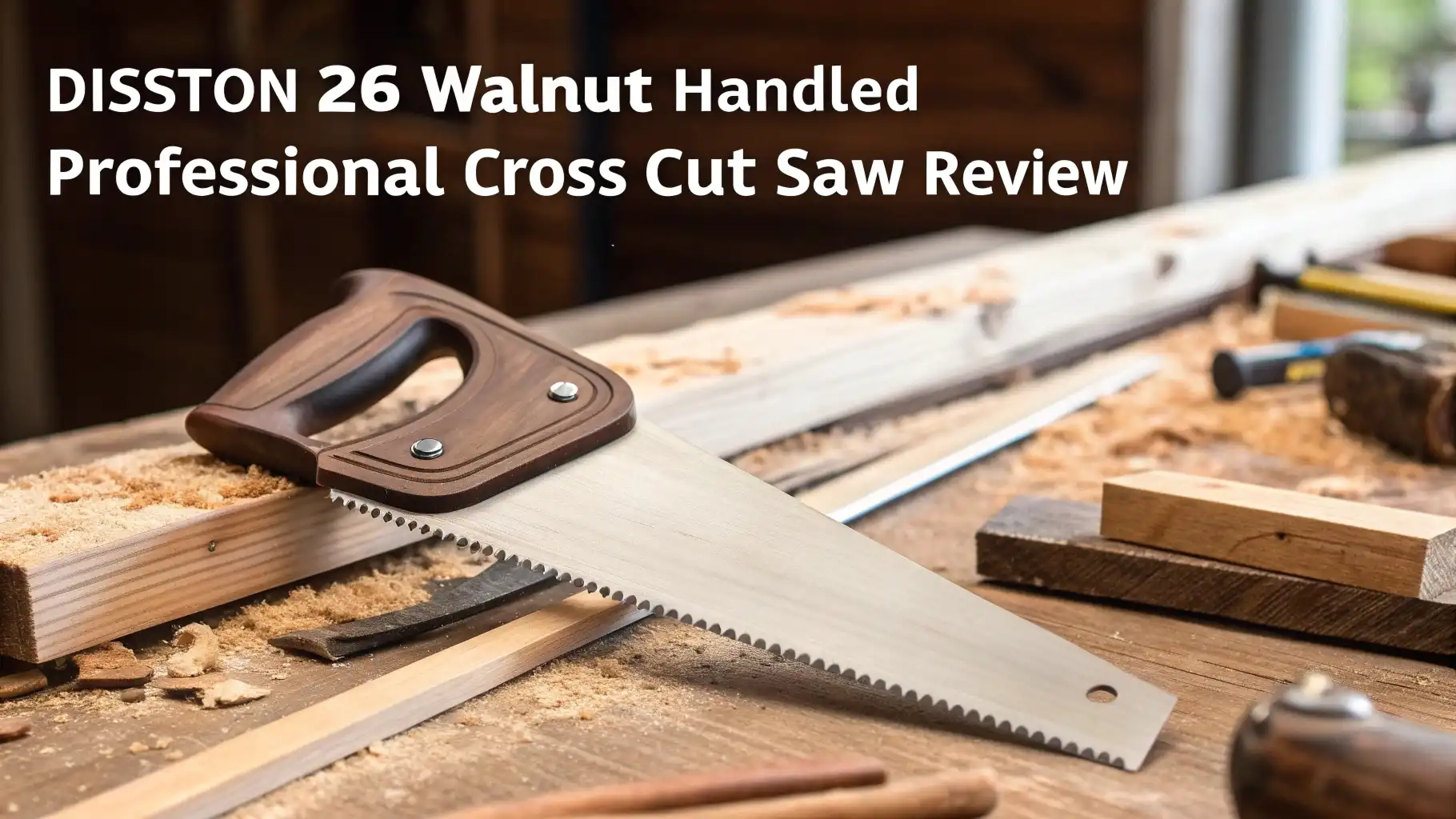
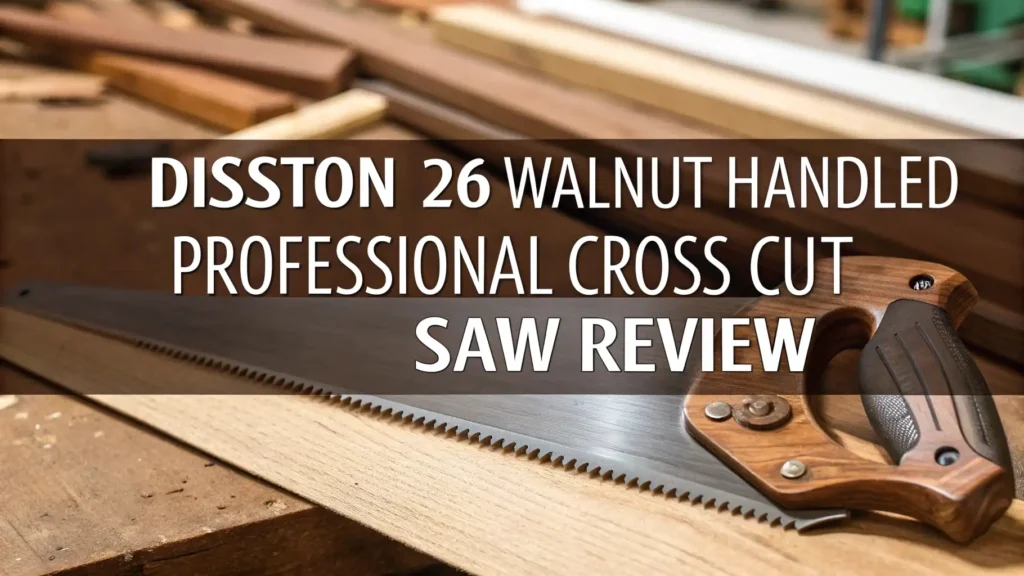
Disston 26″ Walnut Handled Professional Cross Cut Saw Review
Let me tell you something exciting. Hand saws never went out of style. They just got quieter while power tools made all the noise. Now in 2026, people are rediscovering what craftsmen knew a century ago.
The Disston 26″ Walnut Handled Professional Cross Cut Saw represents old school quality meeting modern workshop needs. This isn’t just another dusty relic from grandpa’s garage. This is a working tool that cuts wood like butter when you know how to use it.
You might wonder why anyone would pick up a manual saw when cordless tools are everywhere. The answer is simple. Control, precision, and pure satisfaction.
Key Takeaways
- Performance and Build Quality: The Disston 26 inch crosscut saw features premium construction with a walnut handle that feels substantial in your hands. The blade maintains sharpness through multiple projects and delivers clean cuts across various wood types.
- Ideal Use Cases: This saw excels at cutting boards to length, trimming lumber, and fine carpentry work where precision matters more than speed. Perfect for woodworkers who value craftsmanship over convenience.
- Weight and Balance: The saw weighs enough to let gravity help with cutting but stays light enough for extended use without arm fatigue. The balance point sits perfectly for controlled strokes.
- Value Proposition: While the initial cost runs higher than basic hand saws, the durability and performance justify the investment for serious woodworkers and professionals who demand quality tools.
- Learning Curve Consideration: Beginners need practice to master proper cutting technique, but the saw rewards patience with increasingly better results as skills develop over time.

Understanding the Disston Legacy
Disston built saws in America since 1840. That’s over 180 years of saw making knowledge. The company earned its reputation by making tools that lasted generations. Many vintage Disston saws still cut perfectly today after decades of use. This tells you something important about their quality standards.
The modern Disston brand continues that tradition. They use high carbon steel for blades that hold an edge. The teeth get precision ground to specific angles. Each saw goes through quality checks before leaving the factory. You’re not buying a disposable tool here. You’re investing in equipment that should outlast most power tools in your shop.
The 26 inch length hits a sweet spot for general carpentry. It’s long enough to cut through 2×10 boards in smooth strokes. Yet it’s not so massive that it becomes unwieldy for smaller projects. Carpenters in 2026 appreciate tools that do multiple jobs well instead of owning twenty specialized pieces.
The Walnut Handle Makes a Difference
Touch a plastic handle. Now touch walnut wood. Feel the difference? Walnut absorbs vibration naturally. Every stroke sends tiny shocks through your hand. Plastic transmits all of it. Wood dampens most of it. After cutting for thirty minutes, your hand notices.
The grain pattern in walnut creates natural texture. Your grip stays secure even when your palms sweat. The wood warms slightly to match your body temperature. It feels alive in a way synthetic materials never do. This might sound minor until you spend a full day cutting lumber.
Walnut also withstands moisture better than many woods. It doesn’t swell and shrink as dramatically with humidity changes. The handle maintains its shape season after season. Traditional linseed oil treatment keeps the wood protected. A quick wipe down after use keeps it looking beautiful for years.
The ergonomic shape fits hands of different sizes comfortably. The curve follows your palm naturally. Your fingers wrap around without awkward angles. Proper grip reduces fatigue and increases cutting accuracy. These details separate professional tools from amateur equipment.
Top 3 Alternatives for Disston 26″ Walnut Handled Professional Cross Cut Saw


Blade Design and Tooth Configuration
The blade measures 26 inches from heel to toe. That’s the working length that matters. The steel thickness provides rigidity without excessive weight. A blade that’s too thin flexes and wanders. Too thick and it binds in the cut. Disston found the balance.
Crosscut teeth differ from rip teeth fundamentally. Crosscut teeth work like tiny knives that slice wood fibers perpendicular to the grain. Each tooth has beveled edges that score the wood on both sides. The following teeth remove material between those score lines. This creates smooth cuts with minimal tearout.
The tooth count sits around 8 to 10 points per inch. This configuration balances cutting speed with surface finish. More teeth create smoother cuts but remove material slower. Fewer teeth cut faster but leave rougher surfaces. The middle ground handles most carpentry tasks efficiently.
The blade receives taper grinding during manufacturing. This makes the blade slightly thinner toward the back than at the teeth. The taper reduces friction and prevents binding. The saw moves through wood with less effort. You notice this especially on long cuts through thick lumber.
Cutting Performance Across Different Woods
Pine cuts like a dream with this saw. The teeth slice through softwood cleanly. You can cut a 2×4 in maybe twenty strokes with proper technique. The blade doesn’t clog with pitch as quickly as cheaper saws. Clean cuts mean less sanding later.
Hardwoods demand more respect. Oak and maple require slower, steadier strokes. Let the saw do the work instead of forcing it. The sharp teeth will cut through if you maintain consistent rhythm. Rushing just dulls the blade faster and tires your arm.
Plywood presents challenges for any hand saw. The alternating grain directions and glue layers stress the teeth. This Disston handles it better than most. The crosscut configuration minimizes tearout on the bottom face. Starting cuts carefully prevents splintering on top.
Green wood cuts easier than dried lumber. The moisture content makes fibers softer. You’ll move through fresh cut logs faster than kiln dried boards. The trade off is more cleaning needed afterward. Wet sawdust sticks to everything.
Maintenance Requirements and Blade Care
Sharp saws cut better. This seems obvious but many people forget. A sharp saw requires less pushing force. It produces cleaner cuts with less effort. Sharpening hand saw teeth requires specific files and patience. You can learn the skill or pay a professional.
Check the tooth set periodically. Set refers to how far teeth bend alternately left and right. Proper set creates a kerf slightly wider than the blade thickness. This prevents binding. Too much set wastes effort. Too little causes friction. A saw set tool adjusts this.
Keep the blade clean and dry. Wipe it down after use to remove sap and moisture. Light oil coating prevents rust in humid climates. Store the saw hanging or in a protective sheath. Teeth shouldn’t contact other metal tools in storage.
The handle needs occasional attention too. Check the screws that attach handle to blade. They can loosen over time. Tighten them before they cause problems. Apply boiled linseed oil to the walnut yearly. This preserves the wood and maintains its beauty.
Rust happens even with care. Light surface rust comes off with fine steel wool and oil. Deeper rust requires more aggressive treatment. Prevention beats cure. Store tools in dry locations when possible. Silica gel packets in tool boxes absorb excess moisture.
Comparison with Modern Power Saws
A circular saw cuts faster. Nobody debates this. You can rip through a pile of 2x4s in minutes with power. The same pile might take an hour with a hand saw. Speed matters for production work. But speed isn’t everything.
Hand saws produce no sawdust clouds. You’re not breathing fine particles or wearing a respirator. The noise level stays at a whisper instead of a roar. Your neighbors won’t complain at 7 AM on Saturday. These factors matter for home workshops and apartment dwellers.
Power tools require electricity or batteries. Job sites without power make cordless tools essential. But batteries die. Extension cords limit mobility. A hand saw works anywhere, anytime. No charging required. This reliability counts in remote locations or during power outages.
The precision possible with a sharp hand saw surprises people. You can sneak up on a cut line with test strokes. Adjust angle or position easily. Stop instantly without coasting blades. This control excels for finish carpentry where accuracy matters most.
Cost of ownership heavily favors hand tools. The initial purchase might seem high but there’s no maintenance costs. No replacement batteries. No motor repairs. No brushes or switches to fail. A well maintained hand saw lasts fifty years easily.
Who Should Buy This Saw
Professional carpenters benefit from having quality hand saws in their toolkit. Even if power tools handle most work, situations arise where hand tools shine. Trim work in occupied homes stays quieter. Quick cuts without hauling out extension cords save time.
Serious woodworking hobbyists appreciate the craftsmanship and results. Building furniture by hand creates deep satisfaction. The process becomes as important as the product. Traditional tools connect you to woodworking history.
Homeowners tackling DIY projects find hand saws useful. Not every cut justifies setting up a power saw. Trimming a door to fit. Cutting a board for a shelf. These small jobs go faster grabbing a hand saw than finding the circular saw, plugging it in, and cleaning up afterward.
Bushcraft and camping enthusiasts value tools that need no fuel or batteries. A good hand saw breaks down firewood and processes lumber for shelters. The Disston’s quality construction withstands outdoor conditions better than cheaper alternatives.
People learning woodworking fundamentals should start with hand tools. Understanding how saws cut teaches important lessons. You develop better technique and feel for wood grain. These skills transfer to power tool use later.
Price Point and Value Assessment
Quality costs money. This saw isn’t the cheapest option available. You’ll find disposable hand saws for ten dollars. Those might last through one project before the teeth dull or handles break. Buying cheap tools repeatedly costs more than buying quality once.
The Disston represents middle to upper range pricing for hand saws. You’re paying for American quality standards and materials that last. Compare this to vintage saw prices. Antique Disston saws in good condition sell for similar money. The quality hasn’t decreased.
Consider cost per use over time. If this saw lasts twenty years and gets used monthly, that’s 240 uses. Divide the purchase price by uses. The per use cost drops to almost nothing. Meanwhile that cheap saw died after project three.
Professional tools justify their cost through reliability. A contractor can’t afford tools that fail on job sites. Replacing a saw mid project wastes time and money. Dependable equipment pays for itself through consistent performance.
Budget conscious buyers might consider vintage Disston saws. Estate sales and antique shops often have old hand saws cheap. Many need only cleaning and sharpening to work perfectly. You get the same quality at fraction of new prices.
Common Problems and Solutions
Binding in the kerf frustrates users. The saw gets stuck midway through a cut. This usually means insufficient tooth set or the blade isn’t straight. Check for blade damage. Ensure you’re cutting straight and not twisting the saw. Sometimes the wood itself pinches as internal stresses release.
Wandering cuts that don’t follow the line indicate technique issues more than tool problems. Start cuts carefully with short strokes to establish the kerf. Keep the blade perpendicular to the work surface. Watch the reflection in the blade to check angle. Practice improves accuracy dramatically.
Rough cut surfaces suggest dull teeth or wrong saw type. Crosscut saws shouldn’t rip with grain. Rip saws shouldn’t crosscut. Using the correct saw for the task matters. Even the right saw needs sharp teeth to cut smoothly. When cuts get rough, sharpen the blade.
Handle looseness develops over years of use. The wood compresses slightly and screws loosen. This feels terrible and reduces control. Tighten the handle screws with appropriate screwdriver. Don’t overtighten or you’ll strip the holes. Snug is sufficient.
Rust spots appear if storage conditions aren’t ideal. Surface rust is cosmetic mostly. It doesn’t affect cutting performance until it gets thick. Remove it with oil and fine abrasive. Prevent recurrence by controlling moisture and applying protective coatings.
Techniques for Best Results
Starting cuts cleanly sets up success. Place the blade at the waste side of your mark line. Draw back gently to score the surface. These initial strokes establish the kerf path. Rushing the start causes mistakes that affect the entire cut.
Let the saw’s weight do the work. You guide direction but don’t force downward pressure. The teeth will cut if they’re sharp. Forcing increases effort and reduces accuracy. Find the rhythm where the saw moves smoothly without fighting.
Stroke length matters for efficiency. Use the full blade length from heel to toe. Short choppy strokes waste energy and slow progress. Long smooth strokes engage more teeth and cut faster. Keep the motion fluid and consistent.
Body position affects results more than people realize. Stand comfortably with work at appropriate height. Your shoulder should align over the cut line. This position gives maximum control with minimum strain. Awkward positions cause poor cuts and fatigue.
Support long boards properly. Wood that sags or moves during cutting creates binding and rough cuts. Use sawhorses or helpers to stabilize material. The piece being cut off needs support too. Unsupported offcuts can snap and splinter near the end.
Storage and Long Term Care
Hanging storage protects the teeth best. Mount a simple wooden rack on the wall. The saw hangs by its handle, blade exposed. This prevents accidental tooth damage from other tools. The saw stays visible and accessible.
Tool chests work if you protect the blade. Wrap it in cloth or leather before placing in the chest. Some people make wooden blade guards that slip over the teeth. Protection prevents accidental dulling and rust from humidity.
Climate controlled spaces beat garages in most regions. Temperature swings and humidity changes stress metal and wood. Shop spaces inside conditioned buildings maintain tools better. If garage storage is necessary, use closed toolboxes with moisture absorbers.
Annual deep maintenance keeps the saw performing. Disassemble the handle from blade. Clean all surfaces thoroughly. Inspect for damage or wear. Oil the blade. Treat the handle wood. Reassemble with proper tightness. This ritual extends tool life decades.
Pass quality tools to the next generation. A well maintained Disston saw works perfectly after fifty years. These aren’t disposable items but heritage tools worth inheriting. Teach proper use and care to ensure the tradition continues.
Real World Applications in 2026
Modern woodworking embraces both power and hand tools. Smart craftspeople use whatever works best for specific tasks. The Disston excels at trim carpentry where noise matters. Cutting door casings in occupied homes stays quiet and controlled.
Timber framing revivals appreciate traditional tools. Cutting joinery by hand creates satisfaction power tools can’t match. The precision possible with sharp hand saws surprises people accustomed to circular saws. Traditional techniques produce furniture that lasts generations.
Disaster preparedness includes hand tools. When storms knock out power for days, hand tools keep working. Processing fallen trees for firewood or repairs requires saws that need no electricity. The Disston handles these emergency situations perfectly.
Educational programs teaching woodworking basics start with hand tools. Students learn fundamentals better without power tool distractions. Understanding how saws cut wood grain teaches lessons applicable to all woodworking. Many schools return to this teaching method.
Sustainable living advocates prefer hand tools for reduced energy consumption. Every cut made without electricity reduces carbon footprint slightly. Collectively these choices matter. Quality hand tools support self sufficient lifestyles.
Frequently Asked Questions
Does the Disston 26 inch saw work for beginners?
Yes, this saw works for beginners. The quality construction actually helps new users learn proper technique. Cheap saws with dull teeth or poor balance teach bad habits. Starting with good tools accelerates skill development. The learning curve exists but the saw isn’t the problem. Practice and patience develop cutting ability over time.
How often does the blade need sharpening?
Sharpening frequency depends on usage and material. Cutting softwood occasionally might mean sharpening yearly. Professional use on hardwoods daily requires sharpening monthly. You’ll notice when sharpening is needed. The saw requires more pushing force and cuts get rougher. Learning to sharpen yourself saves money and keeps the saw ready always.
Can this saw cut metal or plastic?
No, crosscut saws are designed specifically for wood. The tooth geometry and metal temper suit wood fibers. Cutting metal dulls teeth immediately and can break them. Plastic melts and clogs the teeth. Use appropriate saws for different materials. Wood saws cut wood. Metal saws cut metal. Using tools for intended purposes extends their life.
Is the walnut handle better than plastic?
Yes, walnut handles provide superior comfort and vibration dampening compared to plastic. The natural material feels better during extended use. Wood absorbs shock that plastic transmits directly to your hand. Aesthetically, walnut looks beautiful and ages gracefully. Plastic cracks and degrades over time. The traditional material choice has proven advantages.
Where can I get this saw sharpened professionally?
Many hardware stores offer saw sharpening services. Search for saw sharpening or tool sharpening services in your area. Some woodworking clubs have members who sharpen saws. Online services accept mail in sharpening too. Learning to sharpen yourself gives independence but professional sharpening works well initially. Costs typically range ten to twenty dollars per sharpening.
Does this saw come with a protective case?
Most Disston saws ship without protective cases. You can purchase blade guards separately or make your own. Simple wooden guards protect teeth in storage. Leather or fabric wraps work too. The packaging protects the saw during shipping but isn’t designed for long term storage. Creating proper storage solutions protects your investment.
Can left handed people use this saw effectively?
Yes, hand saws work equally well for left and right handed users. The symmetrical blade design doesn’t favor either hand. Your dominant hand grips the handle while the other stabilizes the work. Left handed woodworkers use the same saws as right handed ones. Technique adjustments are minimal and natural.
What is the warranty coverage on this saw?
Warranty terms vary by retailer and current Disston policies. Check with your seller for specific warranty information. Quality hand saws rarely need warranty service. The simple design has few failure points. Proper use and maintenance prevent most problems. Keep purchase receipts for any warranty claims.
How does this compare to vintage Disston saws?
Modern Disston saws maintain the quality standards of vintage models. Manufacturing techniques improved but core design remains similar. Vintage saws often need restoration before use. New saws arrive ready to work. Both represent excellent quality at different price points. Collectors prefer vintage. Users might prefer new.
Will this saw cut green lumber effectively?
Yes, this saw cuts green lumber very well. The moisture content in fresh cut wood actually makes cutting easier than dried lumber. The fibers slice more readily when wet. Clean the blade more frequently when cutting green wood. Sap and pitch accumulate faster. The saw handles the task without problems if maintained properly.