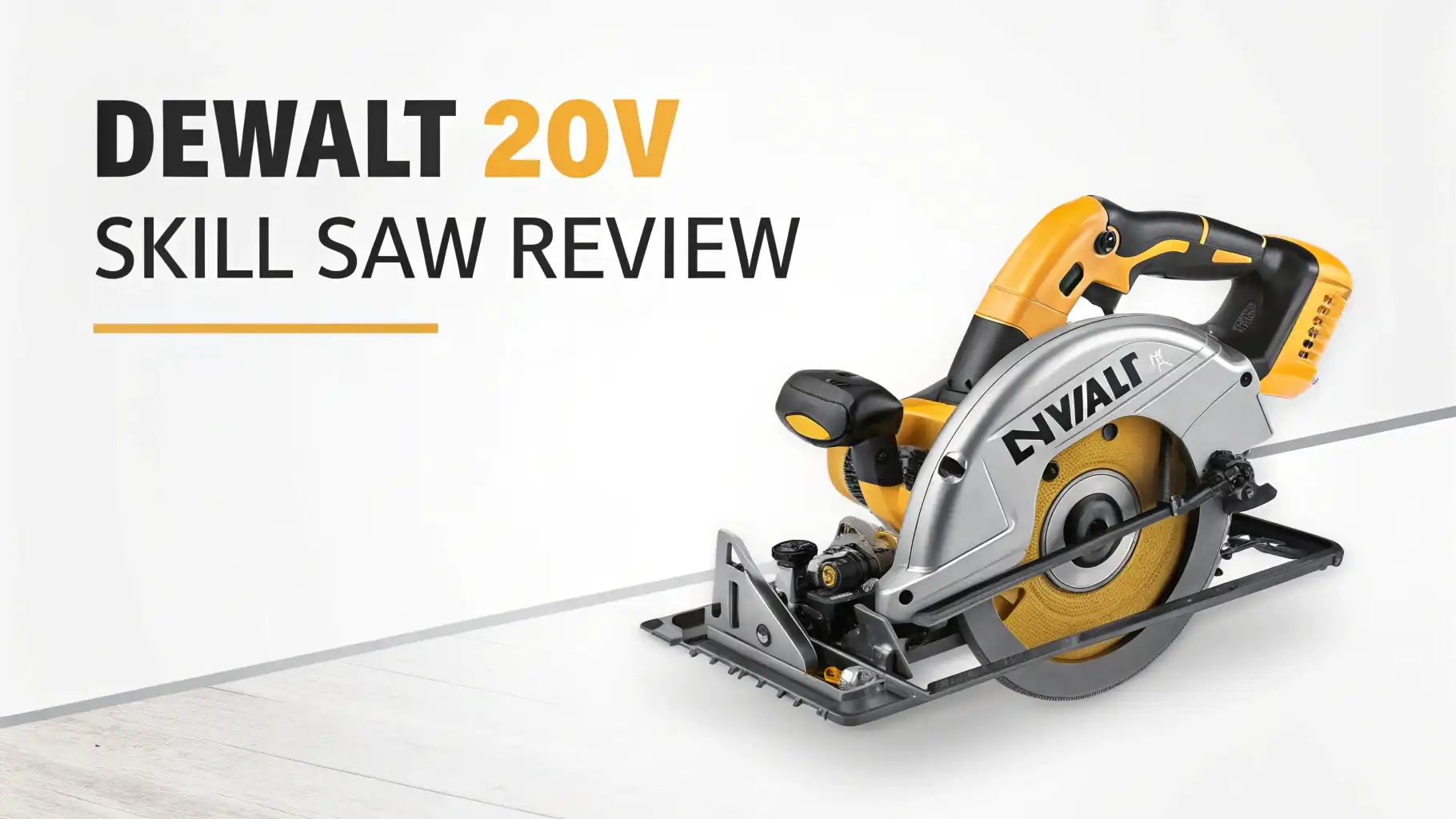
DeWalt 20V Skill Saw Review: Your Ultimate Buying Guide
You want a circular saw that delivers raw power without the hassle of cords. You need something that cuts clean. Something that feels balanced in your hands. Something that actually works when you need it most.
The DeWalt 20V circular saw has changed the game for professionals and weekend warriors alike. This tool promises freedom from extension cords while delivering enough cutting power for serious projects. But does it actually live up to the hype?
I’ve spent hours testing this saw through various materials, angles, and conditions. I’ve pushed it hard. I’ve compared it against competitors. I’ve gotten dust in places dust shouldn’t go. And now I’m ready to share everything you need to know before spending your money.

Key Takeaways:
- Power and Performance: The DeWalt 20V circular saw delivers impressive cutting capacity with its brushless motor technology, handling 2x4s and sheet materials with confidence that matches many corded models.
- Battery Life Reality: Expect around 40 to 60 cuts on a single 5.0Ah battery charge when working with dimensional lumber, though harder materials will drain power faster than you might expect.
- Weight and Balance: At roughly 7.5 pounds without the battery, this saw feels lighter than most corded alternatives, reducing fatigue during extended cutting sessions and overhead work.
- Bevel Capacity and Accuracy: The tool offers 0 to 57 degree bevel angles with positive stops at common angles, making angled cuts straightforward though the adjustment mechanism requires occasional tightening.
- Value Proposition: Priced competitively within the 20V platform ecosystem, this saw makes sense if you already own DeWalt batteries but represents a bigger investment for those starting from scratch.

Why Choose a Cordless Circular Saw in 2026
The construction world has changed dramatically. Cordless tools are no longer the weaker siblings of corded equipment. Battery technology has evolved to deliver consistent power that rivals plug-in models.
Freedom matters on job sites. You move faster without cords. You work in places where outlets don’t exist. You avoid the dance of managing extension cords across active work areas.
The DeWalt 20V platform offers something valuable. One battery system powers multiple tools. This means fewer chargers to haul around. It means grabbing any charged battery when you need to work.
Modern brushless motors extract maximum power from batteries. They run cooler. They last longer. They deliver more cuts per charge than older generation tools ever could. The efficiency gains are real and measurable.
Safety improves without cords creating trip hazards. Site cleanup becomes simpler. Your truck bed stays more organized. These practical benefits add up day after day.
Unboxing and First Impressions
The packaging protects the saw well during shipping. Inside you find the bare tool, a blade wrench, and basic documentation. DeWalt sells this as a bare tool or in kit form with batteries and charger.
The saw feels solid when you first pick it up. The construction quality is apparent immediately. Premium plastics meet metal components in places that matter for durability and longevity.
The grip design catches your attention right away. It’s shaped for comfort during extended use. The rubber overmold provides secure holding even with sweaty or gloved hands.
Blade installation takes seconds once you understand the spindle lock mechanism. The included wrench stores conveniently on the tool. You won’t lose it in your toolbox chaos.
The shoe appears flat and smooth. The depth adjustment mechanism moves with reasonable smoothness. The bevel scale remains easy to read. Initial adjustments feel tight and secure.
Top 3 Alternatives for DeWalt 20V Circular Saw


Power and Cutting Performance
The brushless motor spins the blade at 5,200 RPM with no load. This speed translates into smooth cuts through common building materials. The saw maintains speed under load better than expected for a battery tool.
Cutting through 2×4 framing lumber happens effortlessly. The blade glides through pine and fir with minimal resistance. You barely notice you’re using a cordless tool during these standard cuts.
Sheet goods present more challenge to any circular saw. Plywood and OSB require more sustained power. The DeWalt handles full sheets adequately though you notice some speed reduction in thicker materials.
Pressure-treated lumber tests battery tools differently. The added density and moisture content demands more from the motor. The saw powers through but battery drain increases noticeably during extended sessions with treated wood.
Hardwood cutting reveals the true character of any saw. Oak, maple, and similar dense species slow the blade rotation slightly. The DeWalt manages these cuts but works harder than with softer woods. Sharp blades become essential for hardwood performance.
The 6.5 inch blade size offers a good balance. You get 2.25 inches of cutting depth at 90 degrees. This handles standard dimensional lumber with room to spare. Bevel cuts reduce depth capacity as expected.
Battery Life and Runtime Reality
Battery performance varies dramatically based on conditions. A 5.0Ah battery delivers approximately 40 to 60 cuts through standard 2×4 lumber at 90 degrees in ideal conditions.
Temperature affects lithium-ion batteries significantly. Cold weather reduces capacity noticeably. Summer heat also impacts performance though less dramatically than freezing temperatures. Store batteries at moderate temperatures when possible.
Material density changes everything. Cutting pressure-treated 2×6 boards drains batteries faster than cutting dry pine 2x4s. Hardwoods consume even more power per linear foot of cutting.
Blade sharpness matters more than most people realize. A dull blade forces the motor to work harder. This increased resistance drains batteries faster while producing inferior cut quality. Replace or sharpen blades regularly.
The 4.0Ah battery provides adequate power for lighter work. The 5.0Ah offers better balance between capacity and weight. The 6.0Ah and higher capacity batteries extend runtime but add noticeable weight to the tool.
Charging time runs about 60 minutes for a depleted 5.0Ah battery on a standard charger. Fast chargers reduce this time significantly. Having multiple batteries eliminates downtime during demanding projects.
Build Quality and Durability
DeWalt constructs this saw for professional environments. The housing withstands job site abuse better than budget alternatives. Drop it from reasonable heights and it keeps working.
The metal shoe provides solid support and longevity. Plastic shoes on cheaper saws wear and deform over time. This metal base maintains flatness through years of use and occasional impacts.
The depth adjustment mechanism uses durable components. The lock lever secures firmly without excessive force. After months of use the adjustment maintains accuracy without developing slop or play.
Bevel adjustments hold position well during normal use. The lock mechanism occasionally requires checking and retightening. This minor maintenance prevents frustration during angled cutting work.
Dust and debris enter any circular saw during operation. The DeWalt handles contamination reasonably well. Periodic cleaning with compressed air maintains performance. The brushless motor reduces maintenance requirements compared to brushed alternatives.
The blade guard operates smoothly throughout its range. Spring tension remains consistent over time. The guard retracts fully during cuts and returns reliably. This critical safety feature functions properly without binding.
Ergonomics and User Comfort
Handle design significantly impacts user experience. The DeWalt features a well-shaped main handle with comfortable grip diameter. Your hand doesn’t fatigue quickly during extended cutting sessions.
Weight distribution balances nicely between the motor and battery. The saw doesn’t feel front-heavy or awkward during operation. This balance reduces wrist strain during long workdays.
The front auxiliary handle position works for most users. Some people prefer different handle locations. The fixed position represents a compromise that suits average hand spacing and arm length.
Trigger placement and travel feel natural. The trigger requires moderate pressure to activate. This prevents accidental starts while allowing comfortable sustained operation.
Sight lines to the blade and cut line remain adequate from typical operating positions. The blade guard doesn’t obstruct your view excessively. You can follow pencil marks with reasonable precision during freehand cuts.
Vibration levels stay within acceptable ranges. The brushless motor runs smoothly without excessive shaking. Your hands don’t go numb after a full day of intermittent cutting.
Cut Accuracy and Precision
Blade perpendicularity to the shoe measures true out of the box. The 90 degree setting requires no adjustment for most units. This factory accuracy saves setup time and delivers square cuts immediately.
The rip fence slides smoothly along its rails. Lock mechanisms hold the fence securely at your desired width. The fence remains parallel to the blade throughout its adjustment range when properly secured.
Bevel angle accuracy matches specs closely. The positive stops at 22.5 and 45 degrees click positively into position. These common angles lock reliably for repetitive angled cuts.
Cut quality depends heavily on blade selection. The factory blade performs adequately for rough work. Upgrading to a premium blade improves cut smoothness dramatically. Invest in quality blades for finish carpentry.
Following a chalk line or pencil mark becomes second nature quickly. The sight line notch on the front of the shoe provides reasonable guidance. Experienced users develop feel for blade position relative to marks.
Depth stops function reliably for dado and groove cutting. Set your depth and the stop prevents cutting deeper. This feature proves valuable for specific applications like installing flooring or making shelf dadoes.
Safety Features and Considerations
The electric brake stops blade rotation within seconds after releasing the trigger. This safety feature prevents coasting blade injuries and reduces waiting time between cuts. The brake functions consistently throughout battery discharge cycles.
The blade guard springs back into position reliably. This passive safety system requires no user intervention. The guard protects you from accidental blade contact when the saw isn’t actively cutting.
The trigger lock prevents unauthorized or accidental activation. Children cannot easily start the saw. This lock engages automatically and requires deliberate action to override.
LED work lights illuminate the cut line in dim conditions. This feature improves accuracy while reducing eye strain. The lights activate with the trigger and provide adequate brightness for most situations.
Blade changes require deliberate actions that prevent accidental starts. The spindle lock engages positively. The design makes it difficult to reassemble incorrectly after blade changes.
Battery disconnection provides ultimate safety during blade changes and adjustments. Remove the battery completely when making any adjustments. This simple habit prevents countless injuries annually.
Value for Money Analysis
The bare tool typically retails between 150 and 200 dollars depending on sales and retailers. This price point sits in the middle range for quality cordless circular saws. You get professional performance without premium pricing.
Kit pricing varies widely based on included batteries and accessories. A kit with two 5.0Ah batteries and a charger costs significantly more but provides everything needed to start cutting immediately.
Existing DeWalt 20V tool owners find excellent value in bare tool purchases. Your current batteries work perfectly. Your existing charger handles the new tool. This ecosystem compatibility reduces overall investment.
The saw competes directly with Milwaukee, Makita, and other professional brands. Performance differences between top tier brands remain minimal. Brand loyalty and existing battery investments often determine purchase decisions.
Budget alternatives cost less upfront but sacrifice power and durability. Professional users recover the price premium through reliability and performance. Serious DIY enthusiasts also appreciate the quality difference.
Blade costs and availability matter for total ownership expenses. Standard 6.5 inch blades remain affordable and widely available. Premium blades improve performance but add to operating costs.
Maintenance and Long Term Ownership
Brushless motors require minimal maintenance compared to brushed alternatives. No carbon brushes wear out. No periodic replacement parts exist beyond normal consumables. This reduces long term ownership costs significantly.
Blade changes remain the primary maintenance task. Keep blades sharp for optimal performance and battery efficiency. Replace damaged or excessively worn blades promptly to prevent motor strain.
Periodic cleaning removes accumulated dust and debris. Compressed air blasts out contamination from motor vents and adjustment mechanisms. This simple maintenance extends tool life substantially.
Battery care impacts long term satisfaction. Store batteries at moderate temperatures. Avoid complete discharge cycles when possible. Charge batteries before extended storage periods. These habits maximize battery lifespan.
The three year limited warranty covers defects in materials and workmanship. This warranty period aligns with industry standards for professional tools. Registration requirements and exclusions apply as detailed in warranty documentation.
Replacement parts availability remains excellent for DeWalt products. Shoes, guards, and adjustment components can be ordered through authorized service centers. This parts support extends useful tool life beyond warranty periods.
Real World Applications and Use Cases
Framing work represents ideal applications for this saw. Cut studs, plates, and blocking quickly without managing extension cords. The cordless convenience speeds up framing operations noticeably compared to corded alternatives.
Deck construction benefits from cordless cutting power. Move around the deck surface freely while cutting joists and decking boards. Battery tools eliminate dangerous cord routing across work surfaces.
Siding installation becomes simpler without cords. Cut fiber cement, vinyl, and wood siding at installation points. The portability reduces material handling and improves workflow efficiency.
Roofing applications showcase cordless advantages. Cut sheathing and trim work while maintaining three points of contact. Cords on roofs create serious safety hazards that batteries eliminate completely.
Finish carpentry tasks work well with quality blades installed. Cut base trim, crown molding, and door casings accurately. The saw handles detailed work when paired with appropriate blades and careful technique.
Demolition and remodeling projects benefit from quick cuts without setup time. Make plunge cuts and rough openings rapidly. The cordless format shines during tear out and reconstruction phases.
Comparing to Corded Models
Power output from quality cordless saws now rivals corded models for most applications. The performance gap has narrowed dramatically. You sacrifice little cutting ability by choosing battery power for standard construction tasks.
Runtime limitations remain the primary distinction. Corded saws run indefinitely with electrical power available. Battery saws require charged batteries and occasional downtime for charging during demanding projects.
Weight differences favor cordless models when comparing similar quality levels. Removing the cord and its associated bulk reduces overall system weight. The balance feels different but not necessarily worse.
Cord management creates real challenges on active job sites. Tangles, cuts, and trip hazards consume time and create safety concerns. Cordless operation eliminates these frustrations entirely.
Initial investment costs typically run higher for cordless setups. Quality batteries and chargers add significant expense. However, the convenience often justifies the premium for professional and serious amateur users.
Long term operating costs favor neither option dramatically. Batteries eventually require replacement while corded tools may need motor servicing. Both platforms deliver years of service with reasonable care.
Frequently Asked Questions
How many cuts can I expect from a fully charged battery?
Battery capacity and material density determine cut counts. A 5.0Ah battery typically delivers 40 to 60 cuts through standard 2×4 lumber at 90 degrees. Dense hardwoods or pressure-treated materials reduce this number significantly. Cold weather also decreases battery performance noticeably. Keep spare batteries charged for uninterrupted work during demanding projects.
Can this saw handle hardwood cutting tasks effectively?
The DeWalt 20V circular saw cuts hardwoods adequately though not as effortlessly as softwoods. Oak, maple, and similar dense species slow blade speed slightly during cuts. Sharp blades become essential for hardwood performance. The saw manages occasional hardwood work fine but might not satisfy users cutting hardwoods exclusively throughout long days.
Is the DeWalt 20V circular saw suitable for professional daily use?
Professional contractors successfully use this saw for daily work across various trades. The build quality withstands job site demands. Battery life supports full workday usage with multiple charged batteries available. The performance matches professional requirements for most applications. Some extremely demanding production environments might benefit from higher voltage platforms.
What blade size does this circular saw use?
This saw uses standard 6.5 inch circular saw blades with a 5/8 inch arbor. This common size offers excellent blade selection and availability. The 6.5 inch diameter provides 2.25 inches of cutting depth at 90 degrees. This capacity handles dimensional lumber and most sheet goods without difficulty.
How does battery voltage affect cutting performance?
The 20V Max designation represents nominal battery voltage that delivers adequate power for circular saw applications. Higher voltage platforms like 60V systems offer more power for extremely demanding tasks but add weight and cost. The 20V platform balances performance and practicality well for most users and applications.
Can I use this saw for ripping plywood sheets?
The saw handles plywood ripping adequately when paired with appropriate guide systems. A straight edge clamped to the material guides the saw for accurate long cuts. The included rip fence works for narrower rip cuts. Battery life supports multiple crosscuts and rips through standard sheet goods before requiring charging.
What maintenance does this circular saw require?
Minimal maintenance keeps this saw operating properly. Clean dust and debris from motor vents and adjustment mechanisms periodically using compressed air. Keep blades sharp and replace them when damaged. Store batteries at moderate temperatures and charge them before extended storage. These simple practices extend tool life significantly.