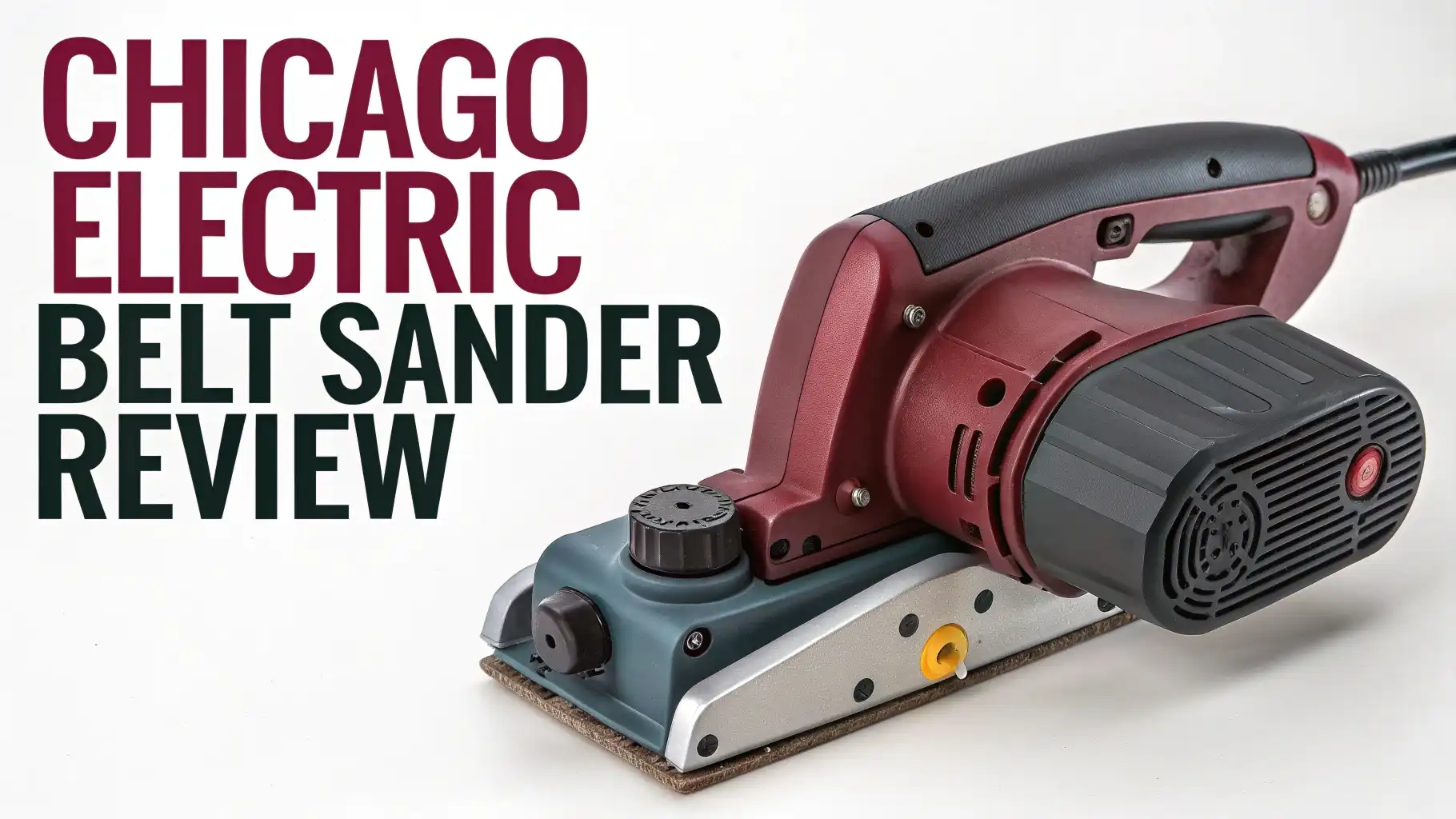
Chicago Electric Belt Sander Review 2026: Your Complete Guide
Are you tired of spending hours hand sanding your woodworking projects? Do you want a powerful tool that can smooth rough surfaces in minutes instead of hours?
You are in the right place! This complete guide will walk you through everything you need to know about Chicago Electric belt sanders and show you the best alternatives available on Amazon right now.
In this detailed review, we will explore what makes the Chicago Electric belt sander worth considering, compare it with top alternatives, and help you make an informed decision for your next power tool purchase.
Key Takeaways:
- Performance and Power: The Chicago Electric 3″ x 21″ belt sander typically features a 6.5 to 8 amp motor that delivers sufficient power for most DIY and light professional tasks. This power range is ideal for removing old finishes, smoothing rough wood surfaces, and general woodworking applications.
- Price Point Advantage: One of the biggest selling points is the incredibly affordable price, usually ranging from $25 to $70 depending on the model and availability. This makes it an excellent entry level option for beginners or occasional users who do not want to invest hundreds of dollars in professional grade equipment.
- Belt Size and Versatility: The standard 3 inch by 21 inch belt size is widely available and relatively inexpensive to replace. This common size means you will have no trouble finding replacement belts in various grits from 40 to 400 for different sanding applications.
- Build Quality Considerations: While the tool offers good value, users should expect a budget friendly construction that may not match premium brands in terms of durability or refinement. The plastic housing and components are functional but require careful handling to ensure longevity.
- Dust Collection Features: Most models include a basic dust bag attachment that captures some debris during operation. However, the dust collection efficiency is moderate at best, so working outdoors or with additional ventilation is recommended for cleaner results.
- Best Use Cases: This belt sander excels at removing material quickly from flat surfaces, making it perfect for deck refinishing, furniture restoration, floor sanding prep work, and general woodworking tasks where aggressive material removal is needed.

Understanding the Chicago Electric Belt Sander
The Chicago Electric belt sander represents an affordable entry point into power sanding tools. These sanders are manufactured specifically for Harbor Freight Tools and carry model numbers like 69859, which has become one of the most recognized versions.
The tool uses a continuous loop of sandpaper that moves rapidly over two drums, creating the sanding action that removes material from your workpiece.
What makes belt sanders different from orbital or random orbit sanders is their linear sanding motion. This straight line action allows for aggressive material removal and works exceptionally well on flat surfaces.
The Chicago Electric models typically operate at speeds between 1000 and 1600 feet per minute, which provides enough power to tackle most residential sanding projects effectively.
Power and Motor Performance
The motor is the heart of any belt sander, and Chicago Electric models typically feature 6.5 to 8 amp motors. This power output places them in the mid range category for belt sanders. To put this in perspective, professional grade sanders often use 9 to 11 amp motors, while lighter duty models might use 5 to 6 amps.
This motor size delivers adequate torque for most DIY applications. You can expect smooth operation when working with softwoods like pine or cedar. The motor handles hardwoods reasonably well, though you may need to make multiple passes for deeper material removal. The power is sufficient for removing old paint, varnish, or stain from furniture and wooden surfaces.
One important consideration is heat buildup. Like many budget tools, the Chicago Electric belt sander can get warm during extended use. Taking periodic breaks every 15 to 20 minutes allows the motor to cool and extends the tool’s lifespan. The motor cooling vents should be kept clear of sawdust for optimal performance.
Build Quality and Construction
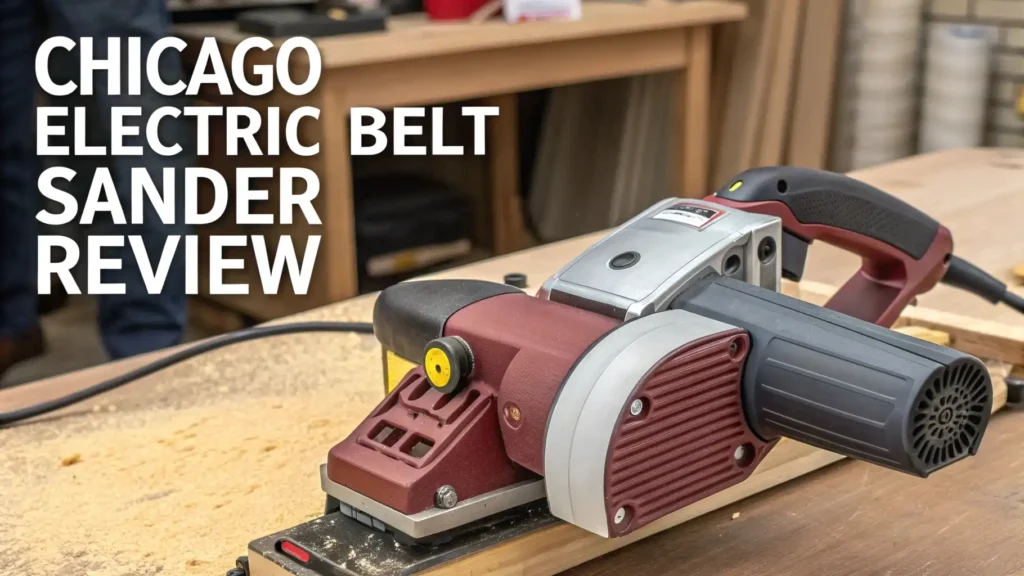
When evaluating build quality, the Chicago Electric belt sander shows its budget oriented nature. The housing is constructed primarily from durable plastic with some metal components in high stress areas. This design keeps the weight down and the cost affordable, but it means you need to treat the tool with reasonable care.
The belt tracking mechanism is one area where users sometimes report issues. The adjustment knob allows you to center the belt on the drums, but it may require frequent tweaking during use. This is common in economy belt sanders and becomes second nature once you understand how to make quick adjustments.
The handles feature rubber overmold grips that provide decent comfort during operation. The front handle position allows good control, and the main handle incorporates the trigger switch for convenient operation. The overall ergonomics work well for both right handed and left handed users.
Top 3 Alternatives for Chicago Electric Belt Sanders


Belt Size and Availability
The 3 inch by 21 inch belt size used by Chicago Electric belt sanders is one of the most common dimensions in the industry. This standardization is actually a significant advantage for users. You can find replacement belts at virtually any hardware store, home improvement center, or online retailer.
Sanding belts come in various grit ratings to handle different tasks. Coarse grits like 40 to 60 remove material quickly and are ideal for initial surface preparation or paint removal. Medium grits from 80 to 120 smooth surfaces and remove smaller imperfections. Fine grits of 150 to 220 create smooth finishes ready for staining or painting. Very fine grits of 240 to 400 produce polished surfaces.
The cost of replacement belts is quite reasonable. You can typically purchase multi packs of belts for $12 to $25 depending on quality and quantity. Generic belts work fine for most applications, while premium brands like 3M or Norton offer longer life and more consistent performance for demanding projects.
Variable Speed Control Features

One area where the basic Chicago Electric models fall short is variable speed control. Most entry level versions operate at a single fixed speed. This limitation means you cannot slow down the belt for delicate work or speed it up for aggressive removal.
However, some upgraded models in the Chicago Electric line do offer variable speed functionality. These versions typically cost slightly more but provide greater versatility. Variable speed allows you to match the belt speed to your material and task. Slower speeds work better for softer woods that might burn or for finishing passes. Higher speeds remove material faster on hardwoods or when stripping finishes.
If variable speed is important to you, consider alternatives like the Metabo HPT SB8V2 or the WEN HB321V, both of which offer speed adjustment dials. The ability to control speed gives you more precision and reduces the risk of over sanding delicate surfaces.
Dust Collection System Effectiveness
The Chicago Electric belt sander includes a basic dust bag that attaches to the rear of the tool. This dust collection system uses the airflow generated by the spinning belt to draw sawdust into the bag. While better than nothing, the effectiveness is moderate at best.
Users typically report that the dust bag captures 40 to 60 percent of the dust produced during sanding. The remaining dust escapes into the air or falls onto your work surface. For indoor use, this means you will want to wear a dust mask and possibly use additional ventilation or air filtration.
The bag fills up relatively quickly, especially when doing heavy material removal. Checking and emptying the bag every 10 to 15 minutes during continuous use prevents overfilling. An overfull bag reduces suction and causes more dust to escape into your workspace.
Ergonomics and User Comfort

Comfort matters when you are operating a power tool for extended periods. The Chicago Electric belt sander weighs approximately 6 to 8 pounds, which is manageable for most users. The weight distribution is reasonably balanced, with the motor positioned to prevent excessive front heaviness.
The handle design provides two grip points for control. The front handle uses a simple loop design that allows a secure grip while guiding the tool. The rear handle incorporates rubber overmolding that cushions your hand and reduces vibration transmission. The trigger switch location works well for natural finger placement.
Vibration levels are moderate with this tool. Belt sanders inherently produce more vibration than orbital sanders due to their linear action. The Chicago Electric models vibrate noticeably during operation, though not excessively for tools in this price range. Using the tool in shorter sessions with breaks helps prevent hand fatigue.
Safety Considerations and Precautions

Operating any power tool requires attention to safety. Belt sanders remove material quickly and can cause injury if misused. Always wear safety glasses to protect your eyes from flying sawdust and debris. The dust produced can contain splinters and hard particles that pose eye injury risks.
A dust mask or respirator is essential when operating this sander. The fine dust produced during sanding contains particles that can irritate your lungs and cause respiratory issues with repeated exposure. At minimum, use an N95 rated mask for adequate protection during extended sanding sessions.
Hearing protection should be worn during operation. The motor noise and sanding sounds reach levels that can damage hearing over time. Disposable foam earplugs or over ear hearing protectors both provide adequate protection and cost very little.
Maintenance and Longevity Tips

Proper maintenance extends the life of your Chicago Electric belt sander significantly. After each use, take a few minutes to clean the tool. Use compressed air or a brush to remove sawdust from the motor vents, belt housing, and dust collection port. Accumulated dust can cause overheating and premature wear.
The belt tracking mechanism should be checked periodically. If you notice the belt consistently drifting to one side, adjust the tracking knob to center it. Proper tracking prevents belt edge wear and reduces friction on the housing. Check this before starting each work session for best results.
Inspect the belts before use for tears, fraying, or excessive wear. A damaged belt can break during operation, potentially causing injury or tool damage. Replace worn belts promptly rather than trying to squeeze extra use from them. The cost of new belts is minimal compared to potential problems.
Comparing Chicago Electric to Premium Brands

Understanding how the Chicago Electric belt sander compares to premium brands helps set realistic expectations. Top tier brands like Makita, DeWalt, and Metabo HPT typically offer belt sanders priced from $150 to $400. These professional grade tools provide several advantages over budget models.
Motor power in premium sanders often ranges from 9 to 11 amps, providing 20 to 40 percent more power than Chicago Electric models. This extra power translates to faster material removal and the ability to handle dense hardwoods more easily. The motors also feature better thermal protection and longer lifespan.
Build quality differs significantly between economy and premium tools. Professional sanders use metal housings in stress areas, more robust bearings, and higher quality switches. These construction differences result in tools that withstand daily professional use for years rather than occasional DIY applications.
Common Issues and Troubleshooting
Understanding common issues helps you address problems quickly. One frequent complaint involves belt tracking problems. If the belt consistently runs off to one side despite adjustment, check for dust buildup on the drums or in the tracking mechanism. Clean thoroughly and try again. Worn or damaged belts also track poorly and should be replaced.
Reduced power during operation usually indicates either brush wear or dust accumulation in the motor vents. If the tool seems less powerful than normal, first clean the vents thoroughly. If power does not improve, the motor brushes may need replacement. This repair is relatively simple and extends tool life significantly.
The dust bag falling off during use frustrates many users. The friction fit connection works but can be improved. Some users apply a thin bead of hot glue around the connection point to secure the bag more firmly. Others use duct tape wrapped around the joint for a temporary but effective fix.
Price to Performance Analysis
The Chicago Electric belt sander delivers solid value for its price point. At typical prices ranging from $25 to $70, you get a functional tool capable of completing most residential sanding tasks. While it lacks the refinement and durability of premium sanders costing $150 or more, it accomplishes the fundamental job effectively.
When calculating value, consider how often you will use the tool. If you need a belt sander for a single deck refinishing project or occasional furniture restoration, spending $300 on a premium model makes little economic sense. The Chicago Electric option provides adequate performance for the task at a fraction of the cost.
However, if you run a woodworking business or regularly take on projects requiring extensive sanding, investing in a higher quality tool becomes justified. The improved durability, power, and dust collection of premium sanders pay dividends through increased productivity and reduced frustration over time.
Frequently Asked Questions
What is the typical lifespan of a Chicago Electric belt sander?
With proper care and maintenance, you can expect a Chicago Electric belt sander to last 3 to 7 years of regular DIY use. The actual lifespan depends heavily on usage frequency, work conditions, and maintenance practices. Users who operate the tool for occasional weekend projects typically get longer life than those using it weekly.
Can I use this belt sander for metal work?
Yes, you can use the Chicago Electric belt sander on metal surfaces, though some limitations apply. The tool works well for removing rust, old paint, or smoothing welded joints on metal projects. You must use metal specific sanding belts designed for ferrous or non ferrous metals depending on your material. Wood sanding belts will clog quickly and wear out rapidly on metal.
How do I prevent the belt from tracking off to one side?
Belt tracking issues usually result from improper adjustment or dust buildup. Start by cleaning both drums thoroughly with a stiff brush to remove sawdust accumulation. Install a fresh belt and check that it sits properly on both drums without twists. Use the tracking adjustment knob on the side of the sander to center the belt. Make small adjustments while the tool runs at slow speed, watching how the belt responds.
What safety equipment do I need when using this tool?
Essential safety equipment includes safety glasses, hearing protection, and a dust mask. Safety glasses protect your eyes from flying sawdust, wood chips, and belt fragments if a belt breaks. Hearing protection prevents damage from the sustained noise level of around 85 to 90 decibels. A dust mask or respirator protects your lungs from fine sanding dust that can cause respiratory irritation and long term health issues.
Can I connect this sander to a shop vacuum for better dust collection?
Yes, connecting to a shop vacuum dramatically improves dust collection performance. The standard dust bag captures only 40 to 60 percent of dust, while a shop vacuum can capture 80 to 95 percent. You will need an adapter fitting that matches the dust port diameter on the sander to your vacuum hose. Several universal adapter sets are available online or at hardware stores for $10 to $20.
How much pressure should I apply during sanding?
The correct amount of pressure is less than most beginners think. Let the weight of the tool do most of the work, adding only light to moderate pressure. Pressing too hard causes several problems including belt bogging, increased heat buildup, and uneven material removal. The belt can also wear out more quickly under excessive pressure. You should hear a consistent motor sound without significant speed changes.
What grit belt should I start with for different projects?
For removing old paint or finish, start with 40 or 60 grit belts for aggressive material removal. These coarse belts cut through finishes quickly without clogging as badly as finer grits. For general surface preparation on bare wood, begin with 80 grit to remove rough spots and imperfections. When smoothing previously sanded surfaces or preparing for staining, 120 grit provides a good starting point.
Is the Chicago Electric belt sander good for beginners?
This tool makes an excellent choice for beginners for several reasons. The affordable price point means new woodworkers can acquire a capable belt sander without major financial commitment. The straightforward operation with simple on off control eliminates complexity. The tool provides enough power to complete projects successfully while being forgiving enough that mistakes do not ruin expensive equipment. New users can learn proper belt sander technique including pressure control, movement patterns, and belt changing without risking a premium tool.
How often should I replace the sanding belts?
Belt replacement frequency depends on usage intensity and material hardness. A belt typically lasts 15 to 45 minutes of active sanding time on softwoods before becoming noticeably less effective. Hardwoods or paint removal reduces this to 10 to 30 minutes. Visual signs of needed replacement include worn grit, visible tears or fraying, belt stretching, or significantly reduced cutting action.
Can this sander handle curved surfaces?
Belt sanders are not ideal for curved surfaces due to their flat sanding surface and linear action. The rigid platen behind the belt prevents conforming to curves. Attempting to sand curves with a belt sander typically results in flat spots and uneven surfaces. For curved work, random orbit sanders, detail sanders, or hand sanding produce better results. However, you can use a belt sander on gentle curves if you work carefully and keep the tool moving. performance.