Biesemeyer Table Saw Fence Review: The Ultimate Guide in 2026
Picture this. You’re lining up a crucial cut on your table saw. The fence shifts just a millimeter. Your entire project is ruined. Sound familiar? Every woodworker has been there.
The fence system on your table saw can make or break your woodworking projects. That’s where the legendary Biesemeyer fence comes into play.
The Biesemeyer fence revolutionized woodworking back in the 1970s. Bill Biesemeyer created something special.
Key Takeaways:
- Unmatched Accuracy: Biesemeyer fences deliver precision within 1/64 inch. This level of accuracy transforms your table saw into a professional-grade cutting machine.
- T-Square Design Advantage: The unique T-square configuration ensures your fence stays parallel to the blade. No more adjusting and readjusting before every cut.
- Built to Last: These fences feature heavy-duty steel construction. The original Biesemeyer fences from the 1980s still work perfectly today in many workshops.
- Easy Installation: Most Biesemeyer systems fit various table saw brands. You can upgrade your existing saw without buying a completely new machine.
- Investment Worth Making: While Biesemeyer fences cost more than basic models, the accuracy and reliability save time and materials. Professional results justify the price tag.

Delta Power Tools 78-919BT2 Biesemeyer Fence
This fence represents the gold standard for serious woodworkers. The Delta Power Tools 78-919BT2 brings authentic Biesemeyer quality to your workshop. Delta acquired the Biesemeyer brand and continues the tradition of excellence.
The fence body uses thick steel construction. You can feel the quality when you lock it down. The mechanism engages smoothly every single time. No wobble, no flex, just solid performance. The fence face measures a full four inches tall, providing excellent support for vertical cuts.
Installation takes some time but follows a logical process. The package includes clear mounting hardware. You’ll need basic tools and maybe an afternoon to get everything dialed in perfectly. Once installed, this fence delivers repeatable accuracy that makes every project easier.
The integrated measuring system uses a clear tape scale. You can see your measurements easily under shop lighting. The hairline pointer gives you precision down to 1/32 inch. This Amazon’s Choice product earns high marks from woodworkers who demand accuracy.
Delta T3 Biesemeyer Fence Body

The T3 Biesemeyer Fence Body takes the classic design forward. This newer model features upgraded materials and construction techniques. The fence body uses 0.083-gauge steel that resists deflection under pressure.
What makes the T3 special? The nine-ply fence faces deliver incredible flatness. Delta manufactures these faces to strict tolerances. Your boards glide smoothly along the fence surface without catching or binding. The black finish looks professional and resists rust.
This fence body works with existing Biesemeyer rail systems. You can upgrade just the fence part if your rails still work well. The three-point locking mechanism secures the fence firmly. Twin hairline pointers let you position cuts with surgical precision.
Professional woodworkers appreciate the T3’s rock-solid stability. The fence doesn’t deflect when you push boards through the cut. This stability matters especially when ripping long stock or making precise dado cuts. The perfect five-star rating reflects the exceptional quality.
Delta 36-T30T3 30-Inch Fence System

Looking for a complete system? The Delta 36-T30T3 gives you everything you need in one package. This 30-inch fence system includes the rails, fence body, and all mounting hardware. The system provides 30 inches of rip capacity to the right of the blade.
The T3 fence system fits most contractor and cabinet saws. The universal mounting design adapts to different table configurations. You get professional-grade accuracy without buying an expensive new saw. Over 550 customer reviews prove this system delivers real value.
The rails mount securely to your saw table. The front rail extends past the table edge for easy fence adjustment. The rear rail keeps everything perfectly aligned. The rectangular guide tube provides a smooth, consistent glide path for the fence.
Setup requires careful attention to detail. You’ll need to ensure the rails sit level and parallel to the saw blade. The instruction manual walks you through each step clearly. Once properly installed, this fence system transforms how your saw performs. Cuts become more accurate and repeatable.
Top 3 Alternatives for Biesemeyer Table Saw Fence


Understanding Biesemeyer Fence Technology
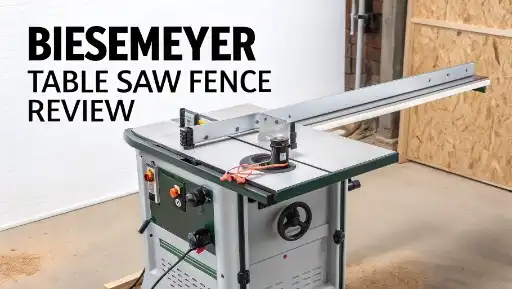
The genius of the Biesemeyer design lies in its simplicity. The fence attaches to a guide tube at the front of your saw. This T-square configuration naturally keeps the fence parallel to the blade. You don’t need complicated adjustment mechanisms.
When you lock the fence down, three points make contact. The locking lever engages simultaneously at the front rail and guide tube. This three-point lock prevents any movement during cutting. The fence stays exactly where you set it.
The measuring system integrates into the front rail. A tape scale runs the length of the rail. The fence includes a pointer that aligns with the tape. You can position cuts quickly and accurately without using separate measuring tools.
Traditional fences require constant checking with a square. Biesemeyer fences maintain parallel alignment naturally. This design saves time and eliminates a major source of cutting errors. Your focus stays on the woodworking instead of fighting your fence.
Why Accuracy Matters in Table Saw Fences
Accuracy affects everything you build. A fence that’s off by just 1/16 inch ruins cabinet face frames. That slight error compounds across multiple cuts. Your doors don’t fit, your drawers bind, and your projects look amateur.
Professional woodworkers demand accuracy within 1/64 inch. Biesemeyer fences deliver this level of precision consistently. The heavy steel construction resists deflection under cutting pressure. The fence stays exactly where you set it throughout the entire cut.
Consider a typical cabinet project. You’ll make dozens of identical cuts for sides, shelves, and frames. Each cut needs to match perfectly. A reliable fence lets you set the measurement once and cut with confidence. Your parts fit together properly the first time.
Cheap fences shift during use. The locking mechanism might slip slightly. Or the fence flexes when you push the board through. These tiny errors add up quickly. Investing in a quality Biesemeyer fence eliminates these frustrations permanently.
Installation Process and Compatibility
Biesemeyer fences fit most table saws with cast iron tops. The system works with cabinet saws, contractor saws, and hybrid models. You’ll need to verify your saw’s dimensions before ordering. Measure the distance from the front of your table to the back.
The installation process follows several key steps. First, you remove your old fence system completely. Clean the table surface thoroughly. Mount the front and rear rails to the saw table. The rails must sit level and parallel to each other.
Next, you install the guide tube to the front rail. This tube needs precise positioning. The tube height affects how smoothly the fence glides. Follow the manufacturer’s specifications exactly. Use shims if needed to get the height perfect.
Finally, you mount the fence body to the guide tube. Adjust the locking mechanism for proper engagement. Test the fence alignment with a precision square. Make final adjustments until the fence sits perfectly parallel to the blade.
Plan on spending three to five hours for a careful installation. Take your time getting everything aligned correctly. The effort pays off with years of reliable, accurate performance.
Comparing Biesemeyer to Other Fence Systems
How does Biesemeyer stack up against competitors? The Vega fence offers similar T-square design at a lower price point. Vega fences work well but use lighter construction materials. The fence body isn’t as rigid as the Biesemeyer.
Incra fences provide incredible precision with micro-adjustment capabilities. These fences excel for detailed joinery work. However, they cost significantly more than Biesemeyer systems. The complexity might overwhelm casual woodworkers.
Shop Fox offers budget-friendly alternatives. These clones copy the Biesemeyer design at half the price. The quality doesn’t match the original. The steel is thinner, the tolerances are looser, and the longevity suffers.
Biesemeyer fences occupy the sweet spot. You get professional accuracy without the premium price of ultra-precision systems. The simple, reliable design works for everything from rough cutting to fine furniture work. Most professional shops choose Biesemeyer for good reason.
Maintenance and Long-Term Performance
Biesemeyer fences require minimal maintenance. The steel construction resists wear and damage. Keep the guide tube clean and free from sawdust buildup. A quick wipe-down after each shop session prevents debris accumulation.
The locking mechanism needs occasional lubrication. Use a dry lubricant or light machine oil. Avoid heavy grease that attracts dust. The lock should engage smoothly without excessive force. If it starts sticking, clean and lubricate the moving parts.
Check the fence alignment periodically. Use a precision square to verify the fence stays parallel to the blade. Minor adjustments maintain perfect accuracy over time. Most Biesemeyer fences hold their alignment for years without adjustment.
The replaceable fence faces are a brilliant feature. After years of use, the faces might develop wear marks or small dings. You can install new faces without replacing the entire fence body. This extends the useful life of your investment significantly.
Common Problems and Solutions
Even quality fences can develop issues over time. The most common problem involves alignment drift. If your fence gradually goes out of square, check the rail mounting bolts. These can loosen slightly with vibration. Tighten them to specification.
Some users report difficulty with the locking mechanism. The fence might not lock firmly or the lever feels too stiff. This usually indicates the guide tube needs adjustment. Loosen the mounting bolts and adjust the tube height slightly. Test the lock after each small adjustment.
Measuring tape wear occurs on heavily used saws. The tape can become difficult to read or the pointer alignment shifts. Replacement tapes are available from Delta or aftermarket suppliers. Installing a new tape takes about 30 minutes.
Newer Biesemeyer fences sometimes arrive with packaging damage. The rails or tube might have dents or scratches. Inspect your shipment carefully before installation. Contact the seller immediately if you find damage. Most problems resolve quickly with proper vendor communication.
Best Practices for Using Your Biesemeyer Fence
Start every cutting session with a quick accuracy check. Use a combination square against the blade and fence. This takes 30 seconds and confirms everything is properly aligned. Making this a habit prevents cutting errors.
Position the fence smoothly without slamming it into position. The measuring system maintains accuracy better with gentle handling. Lock the fence firmly but don’t overtighten. Excessive force can actually reduce accuracy by warping components slightly.
Add an auxiliary fence for special cuts. A wooden face attached to the fence protects the surface when cutting dados or rabbets. The auxiliary face also lets you cut very thin strips safely by bringing the blade closer to the fence.
Keep your table and fence surfaces waxed. Paste wax creates a smooth, low-friction surface. Boards glide easily during cuts without sticking. The wax also provides rust protection in humid environments. Apply fresh wax every few months.
Value Analysis and Investment Considerations
Biesemeyer fences cost more than basic alternatives. The Delta 78-919BT2 runs around $370 while budget fences sell for under $100. Is the extra cost justified? Absolutely, if you value accuracy and reliability.
Consider the cost of ruined materials from inaccurate cuts. A single sheet of quality plywood costs $60 or more. One major cutting error wastes that entire sheet. A precise fence pays for itself quickly by eliminating costly mistakes.
Time savings matter too. Cheap fences require constant adjustment and verification. You spend extra time checking measurements and making test cuts. A Biesemeyer fence lets you set the dimension and cut confidently. Your projects finish faster.
The resale value of quality tools remains strong. Used Biesemeyer fences from the 1980s still command good prices. If you upgrade your saw later, you can sell the fence system easily. Budget fences have essentially no resale value.
Professional woodworkers treat Biesemeyer fences as essential business equipment. The accuracy and reliability directly impact their income. Hobbyists benefit equally from the improved cutting quality and reduced frustration.
What Do You Get When You Buy a Biesemeyer Fence?
The standard package includes several key components. You receive the fence body with integrated measuring pointer. The guide tube provides the smooth sliding mechanism. Front and rear rails mount to your saw table.
All necessary mounting hardware comes in the box. You’ll find bolts, washers, nuts, and alignment shims. The hardware kit includes everything needed for a complete installation. Some systems include support legs for standalone mounting.
Most packages include a measuring tape already installed on the front rail. The tape shows inches and fractions clearly marked. Some versions offer metric scales as well. The clear plastic lens protects the tape from dust and damage.
An instruction manual guides you through installation and adjustment. The manual includes diagrams showing proper rail positioning. Troubleshooting sections help resolve common setup issues. Contact information for customer support appears in the manual.
How Does the Biesemeyer Fence Improve Your Woodworking?
Accuracy transforms your finished projects. Joints fit tightly without gaps. Cabinet doors hang straight without binding. Your work looks more professional because everything aligns perfectly. The fence makes this level of precision achievable.
Speed increases dramatically with a reliable fence. You spend less time measuring and more time cutting. The confidence to set dimensions once and cut multiple pieces saves hours on big projects. Production efficiency jumps significantly.
Safety improves when your fence works properly. A fence that locks firmly prevents workpiece kickback. The stable guidance keeps your hands away from the blade. Smooth fence operation reduces the chance of catching or binding that causes accidents.
Your skills develop faster with quality equipment. You learn proper techniques instead of compensating for tool limitations. Beginners especially benefit from the consistency a Biesemeyer fence provides. Your improvement accelerates when tools work correctly.
Frequently Asked Questions
Can I install a Biesemeyer fence on any table saw?
Biesemeyer fences fit most table saws with cast iron tops. The system works with cabinet saws, contractor saws, and hybrid models. You need to verify your specific saw’s dimensions match the fence system capacity. The front and rear rails must fit your table width. Some portable saws with aluminum tops might not provide adequate mounting surfaces.
How long does installation take for a Biesemeyer fence?
Expect to spend three to five hours installing a Biesemeyer fence system. The process requires careful measurement and alignment. You need to remove your old fence completely first. Mounting the rails takes most of the time. Proper installation ensures accuracy for years. Rushing the setup leads to alignment problems later.
What maintenance does a Biesemeyer fence require?
Biesemeyer fences need minimal maintenance. Clean the guide tube regularly to remove sawdust buildup. Lubricate the locking mechanism occasionally with light oil. Check the rail mounting bolts periodically for tightness. Verify fence alignment every few months using a precision square. The replaceable fence faces might need replacement after years of heavy use.
Is a Biesemeyer fence worth the extra cost compared to cheaper alternatives?
The investment in a Biesemeyer fence pays off through improved accuracy and reliability. Cheap fences require constant adjustment and verification. The time you save and materials you don’t waste justify the higher price. Professional results demand professional tools. The fence will outlast your current saw and transfer to your next upgrade.
Can I add accessories to my Biesemeyer fence?
Yes, the Biesemeyer fence accepts various accessories easily. Attach wooden auxiliary fences for special cuts. Add featherboards using the fence body as a mounting surface. Install magnetic measuring tools directly to the steel fence. The standard fence height and solid construction support many aftermarket accessories designed for T-square fences.