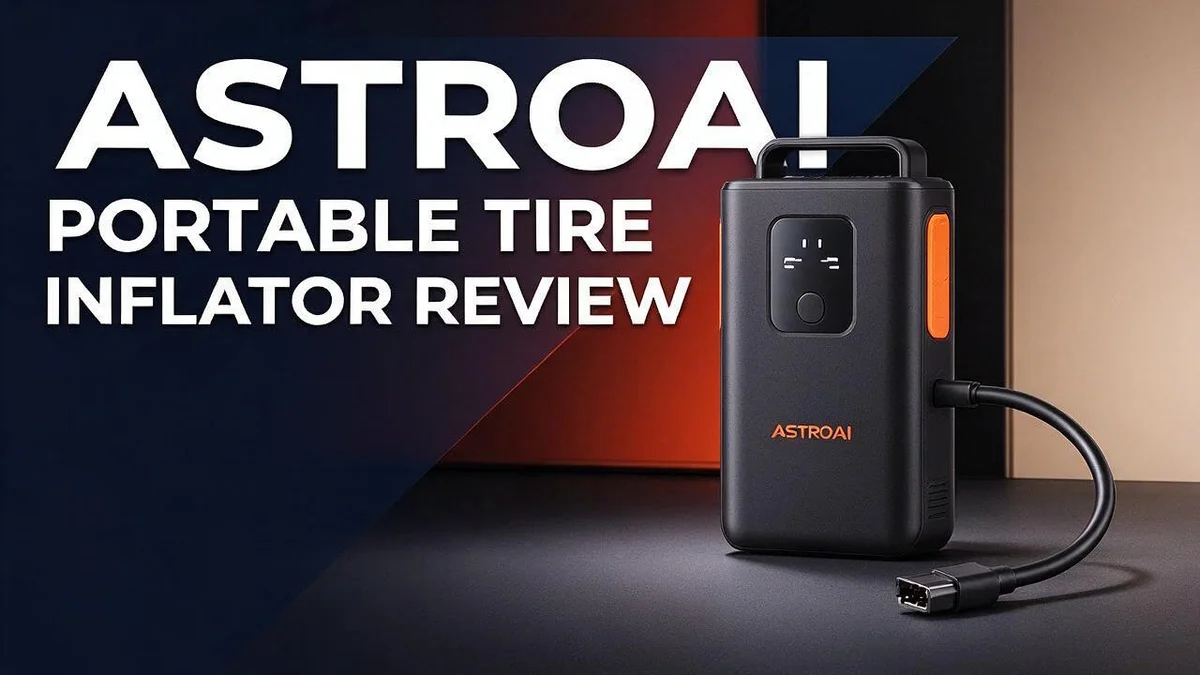
AstroAI Portable Tire Inflator Review 2026: In-Depth Breakdown
Flat tires can ruin a good day. You need air fast, and you need it without a bulky pump. That is where a portable tire inflator helps.
The AstroAI Portable Tire Inflator promises quick results on the road. It runs on 12V DC power from your car, and some models also work with 110 or 120V AC. Many drivers like that flexibility.
Fast inflation, a compact body, and an automatic shut-off make it easy to use. Is it the right pick for you? Let’s find out.
Some owners mention leaky handles, so we look at that too. This review covers the specs, the pros, the cons, and how it compares to rivals like Viair and Kensun.
In a Nutshell
-
Two ways to power up: The inflator runs on a 12V DC plug, and some models also work with 110/120V AC. This gives you a backup option when your car battery is low or you need to fill tires at home.
-
Cool running design: The OmniVent heat dissipation system helps the unit stay cooler during longer sessions. That matters when you fill several tires in a row or top off a spare.
-
Check your car outlet first: The unit depends on a working 12V outlet, so test yours before a road trip. A weak or dead socket can stop the job before it starts.
-
Best for occasional use: Reviewers see it as a good fit for DIY owners who fill tires now and then. Heavy daily use in a busy shop is a different story.
-
Weight changes by listing: Most handheld listings show about 4 pounds, but one review measured near 7 pounds. Read the model details so you know what you carry.
-
Pick the model that fits: The offroad version adds a digital display, and the yellow model runs on a 20V lithium battery. Choose based on where you drive and how you power your gear.
Inflation Speed and Pressure

- RAPID INFLATION & ROAD-READY PORTABILITY: Plugs into standard 12V DC car outlet with 15A fuse...
- HEAVY-DUTY BUILD & 2-YEAR WARRANTY: Reinforced cylinder, motor gears, and connecting rod engineered...
Last update on 2026-11-19 / Affiliate links / Images from Amazon Product Advertising API Some of the links on this website are affiliate links, which means that at no additional cost to you, I earn a commission if you click through and make a purchase. I only recommend products and services that I believe will add value to my readers. Thank you for your support!
When a tire goes flat, every minute counts. Most drivers want to get back on the road quickly. This inflator aims to help with that.
Airflow tells you how fast air enters the tire. The standard model rates at 35 LPM on the 100W setup. The offroad model reaches 7.06 CFM, which is a higher flow rate.
That extra flow means the offroad version moves more air each minute. It can shorten the wait when you fill a large tire. Your real time still depends on how low the tire starts.
Pressure is the other key number. The unit lists a range of 150 to 160 PSI. Most passenger car tires need only about 30 to 35 PSI, so the ceiling leaves plenty of room.
A high maximum does not mean you should run it at top speed all day. Set your target pressure first. Then watch the gauge as the tire fills.
Dual motors also play a role. Two motors share the workload, which helps the unit push air into bigger tires like SUV or truck tires. Larger tires take more air, so this design matters.
Cold weather can drop tire pressure. Filling all four tires after a cold night may take several sessions. Plan extra time for that task, and expect the process to slow as the tire nears its target.
Listings report slightly different maximums, so read the product page carefully. Check the label inside your driver door for the correct tire pressure. Matching the right target keeps your ride safe.
Keep the hose straight and the valve clean so air flows without leaks. Fast fills still need patience, especially with a large tire that sits very low.
For roadside repairs, these numbers look promising. Many owners will find the speed enough for occasional refills. Keep the unit charged or plugged in before a trip so it is ready when you need it.
Power Sources and Portability
Where you use it matters most. Your location shapes which power source makes sense. Think about the spot where a flat tire usually happens.
A roadside flat often means your car is your only power source. Running the engine while you inflate protects the battery from a quick drain.
Keep the engine running for longer fills. Long sessions can drain a weak battery fast. Steady power from the car keeps the pressure climbing without stops.
At home, the AC option feels more natural. Plug into a wall outlet and skip the car entirely. A garage or driveway works well for this.
Cord length shapes your setup. Stretch the cord from the power source to the tire before you start. Park close to the wheel so the hose reaches easily.
Think about the trip too. A small unit slides into a trunk, glovebox, or backpack. Store it where it stays dry and easy to grab.
Temperature affects your setup too. Cold mornings can make the unit feel sluggish. Let it reach room temperature before you use it on a chilly day.
Test the setup before you need it. Plug the unit in at home once. Check that the display or lights respond and the motor runs. This quick check saves stress on a rainy night.
Portability also means you can share the job. Hand it to a friend, move it between cars, or keep one in each vehicle. Easy carrying makes that possible.
Storage habits protect the hose and cord. Coil the cord loosely instead of wrapping it tight. Tight wraps can stress the connectors over time.
Keep a backup plan ready. A jump starter with a 12V outlet may serve as a backup. Having both options reduces roadside stress.
Your power choice gives you flexibility. Match the source to your daily routine and your most common tire problems. That approach keeps the inflator useful for years.
Build Quality and Heat Management
The build feels practical rather than fancy. Most of the weight sits in the motor housing, so the body feels solid in your hand. Still, the parts that touch your tire take the most wear.
Reviewers have reported that the inflator handles can leak air. Test the connection before you rely on it. Start a small fill and listen for hissing near the grip. If you hear air escaping, tighten the fitting or replace the seal.
Hoses and valves wear out with use. Coil the extended hose loosely when you store it. Tight bends can crack the rubber over time. Wipe the valve stem and the chuck before each use so dirt does not reach the seal.
Heat builds up inside the housing. Dual motors work hard during long fills, so the case warms up. Give the unit short breaks between tires. Let it rest for a few minutes so the motors can cool down.
Keep the area around the vents clear. Do not place bags, blankets, or spare tools on top of the unit. Blocked airflow forces the motors to work harder and heat up faster.
Watch for warning signs during use. A case that feels too hot to hold means the unit needs rest. A burning smell or a sudden drop in airflow also means you should stop. Let it cool fully before you try again.
The cord and plug also carry heat. A thin or long cord can warm up under load. Choose a cord that suits the power draw, and avoid tight coils while the unit runs. Loose or warm connections are easy to spot, so check them often.
Storage plays a role too. A hot trunk on a summer day can push the unit past its comfort zone. Keep it in the cabin or in a shaded spot when you can. Cool parts last longer and perform better over the years.
For daily shop work, the design may wear down faster. Owners who fill tires once in a while will likely see fewer problems. Treat the unit with care, and it should handle occasional roadside needs with ease.
Top 3 Alternatives
Viair 88P Compressor

- PORTABLE 12V AIR COMPRESSOR: Keep dependable inflation power in your vehicle with the VIAIR 88P...
- VERSATILE TIRE AND EQUIPMENT INFLATION: Use this tire inflator portable air compressor for vehicle...

Last update on 2026-11-19 / Affiliate links / Images from Amazon Product Advertising API Some of the links on this website are affiliate links, which means that at no additional cost to you, I earn a commission if you click through and make a purchase. I only recommend products and services that I believe will add value to my readers. Thank you for your support!
The Viair 88P is a strong choice for drivers who need serious air power. It fills large tires fast and handles trucks, SUVs, and off road vehicles with ease. Many owners like its metal build and steady performance over time.
It works well for heavy duty jobs. Keep in mind that it is larger and heavier than a basic inflator. It fits best in a garage or a truck with plenty of storage space.
Slime Tire Inflator

- The Slime 8-piece Medium Tire Plug Kit includes everything you need to plug up those nasty tire...
- Use the ergonomic T-handle reamer and plugger tools to clean the hole and insert the heavy duty tire...
Last update on 2026-11-19 / Affiliate links / Images from Amazon Product Advertising API Some of the links on this website are affiliate links, which means that at no additional cost to you, I earn a commission if you click through and make a purchase. I only recommend products and services that I believe will add value to my readers. Thank you for your support!
The Slime Tire Inflator takes a simpler route. It plugs into your car’s 12 volt outlet and gets the job done without fuss. Its compact size makes it easy to store in a glove box or trunk.
Many drivers keep one as a backup for emergencies. It also includes a built in gauge, so you can check pressure at a glance. This makes it a handy tool for quick roadside top ups.
Michelin Digital Tire Inflator

- Compressor Digital 12 V/Programmable
- Pressure Gauge Digital
Last update on 2026-11-19 / Affiliate links / Images from Amazon Product Advertising API Some of the links on this website are affiliate links, which means that at no additional cost to you, I earn a commission if you click through and make a purchase. I only recommend products and services that I believe will add value to my readers. Thank you for your support!
The Michelin Digital Tire Inflator blends accuracy with convenience. Its clear digital display shows exact pressure readings. You can set your target pressure, and the unit stops once it reaches that number.
This feature helps prevent overinflation. Correct tire pressure supports safety, fuel efficiency, and tire life. Michelin is a well known brand, so many people feel confident using it on their daily drives.
Ease of Use and Accessories
Setting up the AstroAI takes only a few minutes. Most people can attach the clamp, pick a target pressure, and start filling. The controls feel straightforward, so the process stays easy even on a dark roadside.
The digital display on the offroad model makes a real difference. You can watch the reading climb and stop at your exact target. This beats guessing by feel, especially when your tires need a specific number.
Quick connector designs help you switch tasks fast. Snap the hose on, finish the job, and move on. Less fiddling means less stress when the sun is going down.
The extended hose also helps with positioning. It reaches wheels that sit farther from the power source, so you do not need to park in an awkward spot. Check that your model includes the hose and clamp before you leave home.
Think about valve types before you need the unit. Most car tires use a standard valve. Bikes, sports balls, and air mattresses often need different fittings. A small set of adapters in your trunk means you will never stop short.
Keeping every part together saves time. If your model includes a case, store the hose, clamp, and cord inside it. This habit prevents lost pieces and keeps your kit ready for the next trip.
Read the preset pressure options early. The unit stops once it reaches the number you select. This feature lets you walk away from the job. It also protects your tires from overfilling, which matters for daily driving and longer road trips.
Finally, practice once in your driveway. Learn which button does what, how the display responds, and how the hose connects. A few minutes of practice builds confidence, so you can handle a flat tire calmly when it happens.
Best Uses On the Road
The inflator shines on a quick road stop. Many drivers use it before a long drive. A few minutes at a rest area can top off every tire.
Think beyond the car. The unit also fills bicycle tires, so you can pack bikes for a weekend ride. Motorcycle owners can use it too, as long as they set the right pressure.
Trailers and campers need regular pressure checks. A small trailer tire can lose air on a long haul. Checking it at each stop keeps the ride safe.
Use it on a sports trip too. Balls, air mattresses, and inflatable kayaks can ride along in the trunk.
The unit handles these items well. Set a lower target for soft gear so you do not overfill it.
Keep the shoulder safe. Pull well off the road before you start. Turn on your hazard lights and keep traffic in view. A quiet spot beats a busy lane every time.
Families find this helpful on road trips. A parent can handle a slow leak while kids wait in the car. The unit stores easily in a trunk organizer or spare tire well.
Plan your fuel stops around tires. Some drivers check pressure at every gas station. A personal unit lets you work on your own schedule, even in a remote area.
Pack a simple kit. Keep the inflator with a tire gauge, a flashlight, and gloves. Good gear keeps the job short and calm.
Know your limits. It works well for small roadside fixes. A large truck tire or a badly torn tire needs a professional tire shop.
Check the spare too. Many spare tires sit unused for years. A quick check before a trip makes sure the spare holds air when you need it most. Peace of mind counts on long drives.
Pros and Cons
Pros
- Runs on 12V DC or 110/120V AC power.
- You get a backup power option if one source fails.
- The OmniVent design helps release heat.
- It fits in a small trunk corner.
- It tops off tires quickly before a short drive.
Cons
- It needs a working 12V outlet to run.
- Some models lack AC power, so check the listing first.
- The lithium battery model needs a full charge before trips.
- It suits home garage use rather than daily shop work.
Who Should Buy It
This inflator suits drivers who hate waiting for roadside help. A low tire can ruin a whole day. Having a unit in the car puts you back in control.
Rideshare and delivery drivers spend long hours on the road. A tire that loses air can cost them time on the job. A portable unit keeps them moving.
Older drivers may find it easier than a hand pump. Manual pumps take real effort and time. An electric unit does most of the hard work for you.
Cold snaps can pull tire pressure down overnight. People in chilly regions often spot low tires first thing in the morning. A quick top off stops that worry before it starts.
Parents with new drivers may want one in the family car. Teens can learn basic tire care with a simple, hands-on tool. It builds useful habits early.
Offroad fans often need to refill tires after a trail run. The offroad model fits that job well. It helps you get back to pavement with the right pressure.
Lease drivers can also benefit from a portable tool. They cannot always add equipment to a car they do not own. A small unit stays useful across different vehicles.
Who should skip this model? Shops with heavy daily use need sturdier equipment. Reviewers note that the handles can leak air, which suits home use better.
People without a working 12V outlet in their vehicle will struggle to run it. Check your power source before you commit to a purchase.
Buyers who want a plan for every situation should match the model to their power needs. Choose the version that fits your garage, your car, and your trips.
In short, this suits casual owners who want a dependable backup. Commuters, families, and older drivers gain the most. Heavy shop users should look for a stronger option.
Final Verdict
The AstroAI portable tire inflator earns a spot in many trunks. It delivers quick, handy help for everyday drivers. Most owners want a simple tool that just works, and this one does that well.
Our verdict leans positive for home garage owners and road trip families. The handles can feel leaky, so use the hose gently. Careful handling keeps the unit working for years.
Think of this inflator as a dependable backup rather than a shop workhorse. It fits people who check tires once a week or before every trip. Regular checks catch slow leaks before they turn into flat tires.
Power source matters most. Your vehicle needs a working 12V outlet, so test it before you rely on the unit. Some listings include AC power too, which adds a useful second option at home.
Compare the trade-offs with open eyes. The compact body makes storage easy. Competitors like the Viair 88P and Kensun models offer similar features, so read each listing closely before you decide.
Over time, many owners notice steadier tire pressure and better fuel use. Properly inflated tires roll more easily, which helps your car work less on every drive.
The unit does not replace professional tire service. Damaged tread, bulges, or repeated pressure loss need a mechanic’s inspection. Use the inflator as a helpful first step, not a full repair fix.
Our final pick: The AstroAI inflator suits everyday drivers, families, and weekend adventurers. It makes less sense for busy shops that run equipment all day.
Choose the model that matches your power needs. Check the listing for AC support and the battery type. A quick review of the specs now saves frustration on the road.
Frequently Asked Questions
Where do I find the correct tire pressure?
Look for the sticker on the driver side door jamb. It lists the recommended PSI for your specific vehicle. Use that number instead of the maximum pressure printed on the tire sidewall.
What should I do if the hose leaks?
Some owners report leaky handles, so check the connection first. Press the quick connector firmly onto the valve stem and hold it straight. If you hear air escaping, reseat the connector and try again.
Will the inflator drain my car battery?
A long session can drain the battery. Start the engine before you begin. The running engine keeps the battery charged while the unit works.
Can it fix a punctured tire?
No, this tool only adds air. A nail or screw still needs a proper patch or repair. Use the inflator to refill the tire, then visit a tire shop to fix the hole.
Does the auto stop protect my tires?
Yes, the auto stop turns the pump off once it reaches your target pressure. Set the target before you start. This helps prevent overinflation, which can wear the center of the tread faster.

Hi, I’m Amelia Thornton, the founder of ElectroPro.blog.
I write about smart devices, gadgets, electronics, and tech essentials from Amazon.
My goal is to help you discover reliable and innovative tech that truly makes life easier.
From home automation to everyday gear, I test and share what’s worth your investment.
Join me as I explore the smartest tech trends—one gadget at a time.