Astro Pneumatic 3037 Air Belt Sander Review: A Comprehensive Guide
Are you tired of struggling with bulky sanders that cannot reach tight spots? Do you want a tool that removes spot welds like butter while giving you total control? The Astro Pneumatic 3037 Air Belt Sander might just be your new best friend in the workshop.
This compact powerhouse has been turning heads among auto body professionals and DIY enthusiasts alike. Let me take you through everything you need to know about this incredible tool.
Picture this: You are working on a restoration project, and you need to remove stubborn spot welds from tight corners. Your regular tools just cannot get the job done.
Key Takeaways
- Compact Powerhouse Design: The 1/2″ x 18″ belt size delivers professional results while fitting into spaces other sanders cannot reach. Perfect for spot weld removal and bodywork applications.
- Variable Speed Control: Adjust the speed from zero to 16,000 rpm to match your specific task. This gives you complete control over material removal rates and finish quality.
- Budget Friendly Investment: Priced around $90, this tool offers exceptional value compared to similar professional grade air sanders that cost significantly more. Includes three belts to get started immediately.
- Built for Comfort: Features a non-slip handle grip and simple belt tension lever that make extended use comfortable. The lightweight 1.98 lb design reduces fatigue during long work sessions.
- Professional Grade Performance: Operates at 90 psi with 4 cfm air consumption. The increased pulley space accommodates modern thicker belts for better durability and performance.

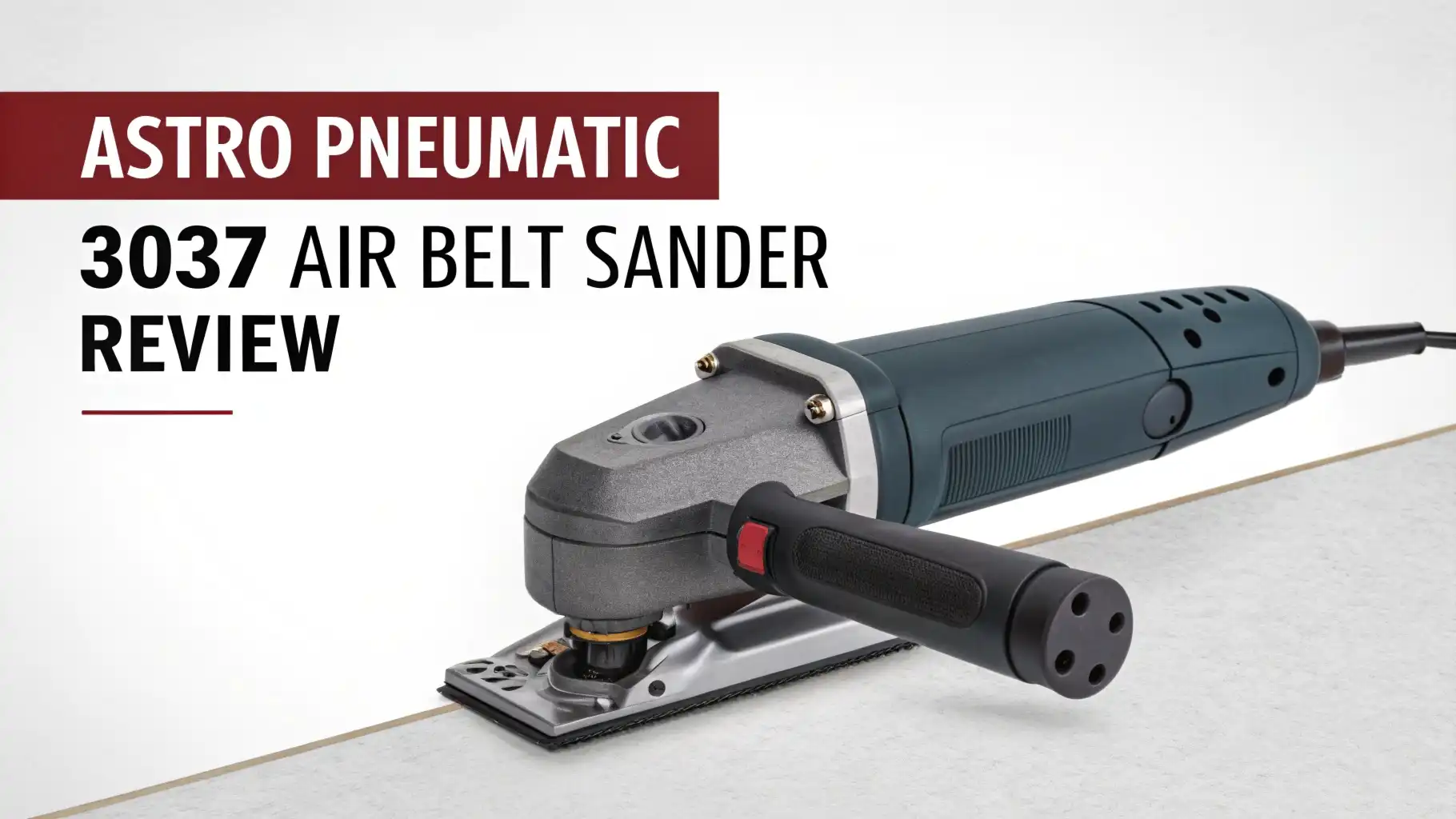
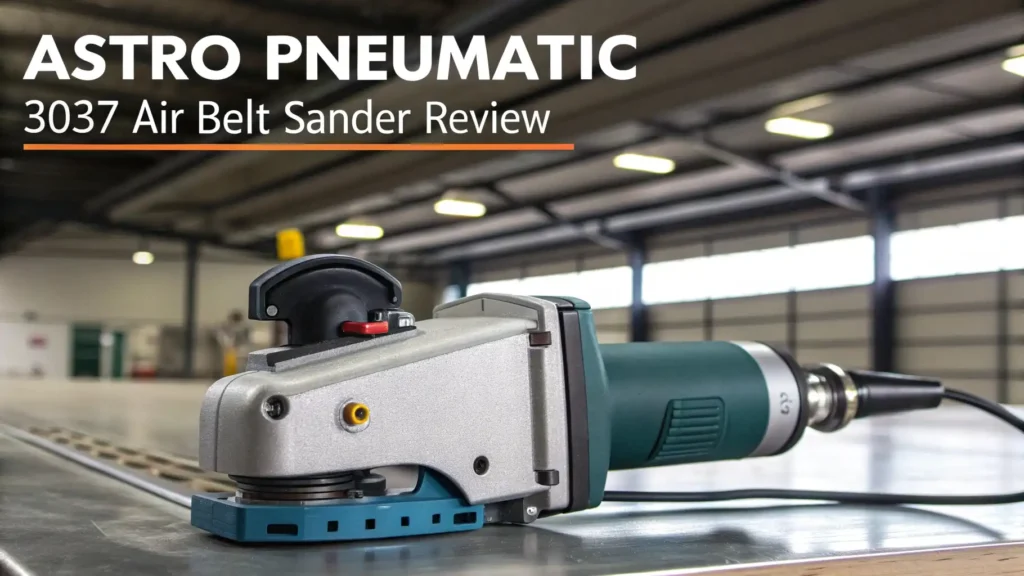
Astro Pneumatic 3037 Air Belt Sander
The Astro Pneumatic 3037 represents years of refinement in air tool design. This sander brings professional grade performance to your workshop without breaking the bank. Many users report this tool has completely changed how they approach metal finishing work.
The tool measures 15 inches in overall length, making it surprisingly compact for its power output. This compact size does not mean compromised performance.
The sander delivers a free speed of 16,000 rpm, which translates to serious material removal capability. You can tackle everything from light surface prep to aggressive spot weld grinding.
What makes this tool special is how Astro engineered it for real world use. The increased pulley space accommodates the newer, thicker sanding belts available today.
Understanding Air Belt Sanders and Their Applications
Air belt sanders fill a unique role in metalworking and auto body repair. Unlike traditional electric sanders, pneumatic models like the Astro 3037 offer several distinct advantages. The air powered design provides consistent power delivery without the weight of electric motors and batteries.
These tools excel at reaching into tight spaces where larger sanders simply cannot fit. The narrow belt configuration allows you to work on inside corners, channel sections, and other confined areas. Auto body technicians love these sanders for removing spot welds without damaging surrounding metal.
The sanding action of belt sanders differs from orbital or random orbit models. The belt moves in one consistent direction, which removes material more aggressively. This makes belt sanders ideal for shaping work and rapid stock removal. You can quickly level welds, remove paint, or smooth body filler.
Key Features That Set the Astro 3037 Apart
The Astro 3037 packs several features that distinguish it from competing models. Let me walk you through what makes this sander stand out in a crowded market.
The non-slip handle grip might seem like a small detail, but it makes a huge difference during extended use. Your hands stay comfortable and secure even when working overhead or at awkward angles. The ergonomic design reduces hand fatigue, allowing you to work longer without discomfort.
The simple belt tension lever deserves special mention. Changing belts on some sanders feels like solving a puzzle. The Astro 3037 makes belt changes quick and tool-free. Just flip the lever, slide off the old belt, install the new one, and flip the lever back. You spend less time fiddling with the tool and more time actually working.
The increased pulley space represents a thoughtful update to the design. Modern sanding belts often feature thicker backing materials for improved durability. The wider pulley spacing on the 3037 accommodates these belts without binding or premature wear. This means better belt life and more consistent performance.
Top 3 Alternatives for Astro Pneumatic 3037


Performance Specifications You Need to Know
Understanding the technical specifications helps you determine if the Astro 3037 suits your needs. The tool operates at 90 psi, which is standard shop air pressure. Most compressors deliver this pressure easily, making the sander compatible with existing equipment.
The 4 cfm air consumption means you need a compressor capable of sustained airflow. A typical 20 gallon shop compressor provides adequate air supply for continuous operation. Smaller compressors may struggle during extended use sessions. Check your compressor specifications to ensure compatibility.
The 16,000 rpm free speed translates to impressive belt speed. This high speed enables rapid material removal when needed. The variable speed control allows you to work at lower speeds for more delicate operations. This rpm range covers everything from aggressive grinding to fine finishing.
The 1/4 inch air inlet accepts standard quick connect fittings. You likely already have compatible fittings in your air tool collection. The standard fitting size means easy integration into your existing air system. No special adapters or modifications required.
Belt Selection and Grit Options
Choosing the right belt makes all the difference in your results. The Astro 3037 comes with three belts to get you started: 36 grit, 40 grit, and 60 grit. These cover the most common applications from aggressive removal to medium finishing.
Lower grit numbers mean coarser abrasive particles. Use 36 or 40 grit belts for removing spot welds, grinding down welds, or stripping paint. These aggressive grits remove material quickly but leave deeper scratches. They excel at shaping work and heavy stock removal.
Medium grits from 60 to 80 work well for general purpose sanding. These belts remove material at a moderate rate while leaving a smoother finish. Use them for smoothing body filler, removing light rust, or preparing surfaces for primer. They balance removal speed with finish quality.
Fine grits from 120 and up create smoother finishes. These belts remove material slowly but leave minimal scratches. Use fine grits for final finishing before painting or for working with softer materials. They also work well for removing light surface imperfections.
Real World Applications and Use Cases
The Astro 3037 shines in automotive restoration and repair work. Removing spot welds represents one of its most popular applications. The narrow belt profile reaches into door jambs, quarter panels, and other areas where panels join. You can remove welds cleanly without excessive damage to surrounding metal.
Body filler work becomes easier with this sander. After applying filler, you need to shape it to match the panel contour. The belt sander removes filler quickly while giving you good control over shaping. Start with 40 grit to rough shape, then switch to 80 grit to refine the contour.
Paint removal on metal panels goes faster with the 3037. Strip old paint from doors, hoods, or fenders without overheating the metal. The aggressive cutting action of fresh belts removes multiple layers quickly. This saves hours compared to hand sanding or chemical strippers.
Metal fabrication shops use belt sanders for deburring and edge finishing. After cutting or grinding metal, sharp edges and burrs remain. A quick pass with the belt sander smooths edges and removes burrs. This makes parts safer to handle and improves fit during assembly.
Maintenance and Care Tips
Proper maintenance keeps your Astro 3037 running smoothly for years. Start by using a filter regulator on your air line. This removes moisture and particles from your air supply. Clean, dry air prevents internal corrosion and extends tool life dramatically.
Add a few drops of pneumatic tool oil into the air inlet before each use. This lubricates internal components and prevents rust. Many users install an inline oiler in their air line for automatic lubrication. This ensures consistent lubrication without remembering to oil manually.
Keep the tool clean after each use. Dust and debris accumulate on the exterior and around moving parts. Use compressed air to blow out dust from vents and around the belt area. Wipe down the handle and body with a clean cloth. This prevents buildup that can affect performance.
Inspect belts regularly for wear and damage. Replace worn belts before they break. A broken belt can damage pulleys or other components. Keep spare belts on hand so you can change them immediately when needed. Fresh belts also cut more efficiently than worn ones.
Comparing Air vs Electric Belt Sanders
Understanding the differences between air and electric sanders helps you make informed choices. Air powered tools like the Astro 3037 offer several distinct advantages. The pneumatic motor provides consistent power regardless of load. Electric motors can bog down under heavy pressure.
Air tools typically weigh less than electric equivalents. This reduced weight makes them easier to handle during extended use. The Astro 3037 weighs less than two pounds. A comparable electric sander might weigh three or four pounds with battery.
The lack of electrical components makes air tools more durable in harsh environments. They handle dust, moisture, and impacts better than electric tools. You can drop an air tool without worrying about breaking electronic controls or battery packs.
Air tools require a compressor, which represents an upfront investment. However, if you already own a compressor for other tools, adding air tools becomes cost effective. The tools themselves often cost less than electric equivalents. Running costs depend on electricity to run the compressor.
Cost Analysis and Value Proposition
The Astro 3037 sits in the sweet spot for price versus performance. At around $90, it costs less than premium air sanders while outperforming cheaper alternatives. This price point makes it accessible to serious DIY enthusiasts and professional shops alike.
Compare this to electric belt sanders, which often start around $100 for basic models. Professional grade electric models can cost $200 or more. The Astro 3037 delivers professional performance at a mid range price point.
Factor in the included belts when considering value. Three belts come in the kit, saving you $15 to $20 compared to buying them separately. This gets you working immediately without additional purchases. The belts included cover common applications from rough grinding to medium finishing.
Replacement belts cost around $1.50 to $2.50 each depending on grit and quality. A pack of ten belts typically runs $15 to $25. Belt costs remain reasonable compared to the value of work the tool enables. Budget for consumables when planning your tool investment.
Common Issues and Troubleshooting
Most problems with air belt sanders stem from air supply issues. If your sander lacks power, check the air pressure first. Verify the compressor delivers 90 psi at the tool. Long air hoses or undersized hoses can cause pressure drops. Use 3/8 inch or larger hose for best results.
Moisture in air lines causes numerous problems. Water accumulates in the tool causing rust and corrosion. Install a water separator on your compressor and drain it regularly. An inline filter near the tool provides additional protection. Dry air is essential for long tool life.
Belt tracking issues occasionally occur. The belt should run centered on the pulleys. If it drifts to one side, adjust the tracking. Most sanders have a small adjustment mechanism for belt tracking. Consult your manual for specific adjustment procedures on the 3037.
Excessive vibration usually indicates worn bearings or damaged pulleys. Inspect the pulleys for damage or debris buildup. Clean the pulleys thoroughly. If vibration continues, the tool may need bearing replacement. This repair is straightforward and parts are readily available.
Safety Considerations and Best Practices
Eye protection is mandatory when using any sander. Metal particles and debris fly off at high speed. Safety glasses or a face shield protect against injury. Make this a non negotiable habit every single time you use the tool.
Hearing protection helps prevent long term hearing damage. Air tools can be quite loud during operation. Foam earplugs or earmuffs protect your hearing. Your future self will thank you for this simple precaution.
Secure your workpiece properly before sanding. Using both hands on the sander means you cannot hold the workpiece. Clamp or otherwise secure parts before starting. Loose parts can spin or shift causing injury or poor results.
Watch for hot surfaces after extended sanding. Friction generates heat in both the belt and workpiece. Metal can become hot enough to cause burns. Allow materials to cool before handling. Take breaks during extended sanding sessions.
FAQs
What Professionals Say About the Astro 3037?
Auto body professionals consistently praise the Astro 3037 for spot weld removal. Many report it has become their go-to tool for panel separation work. The narrow profile reaches into tight spots where larger tools cannot fit. Technicians appreciate the time savings on complex disassembly jobs.
Metal fabricators value the tool for finishing work on custom parts. The belt sander quickly smooths welds and removes fabrication marks. Users report excellent control over material removal. This allows precise finishing on show quality builds.
Restoration enthusiasts find the 3037 invaluable for bodywork projects. Classic car restoration involves significant metal finishing work. This sander handles everything from paint removal to body panel shaping. Its versatility eliminates the need for multiple specialized tools.
How often should I replace sanding belts?
Belt life depends on several factors including material, grit, and application. Coarse grit belts wear faster than fine grits because they cut more aggressively. Replace belts when they stop cutting efficiently or show visible damage.
For heavy spot weld removal, a 36 grit belt might last 30 to 60 minutes of actual sanding time. Medium duty work like body filler shaping extends belt life significantly. You might get several hours from a 60 grit belt on lighter applications.
Watch for reduced cutting performance as the primary replacement indicator. When you need to press harder to achieve the same results, the belt is worn. Continuing with worn belts wastes time and can damage your work. Fresh belts cut faster with less pressure.
Can I use this sander for wood projects?
The Astro 3037 technically works on wood but is not ideally suited for it. The aggressive cutting action of pneumatic belt sanders can be too much for many woodworking applications. The narrow belt width also limits efficiency on wide wood surfaces.
If you do use it on wood, start with finer grit belts around 80 or 120. The high speed of the sander combined with coarse belts can quickly dig into wood surfaces. Take a lighter touch than you would on metal. Practice on scrap pieces before working on finished projects.
The sander excels at removing paint or finish from wood furniture or cabinets. The narrow belt reaches into corners and details that larger sanders miss. Use it for stripping rather than final finishing. Follow up with appropriate finishing sanders for smooth results.
What size air compressor do I need?
The Astro 3037 consumes 4 cubic feet per minute at 90 psi. This means your compressor must deliver at least 4 cfm at this pressure. Most modern shop compressors easily meet this requirement. Check your compressor specifications to verify compatibility.
A typical 20 gallon shop compressor with a 2 to 3 horsepower motor provides adequate airflow. These compressors deliver 6 to 8 cfm at 90 psi. This gives you comfortable margin for continuous operation. The compressor will not constantly cycle trying to keep up.
Smaller 6 gallon pancake compressors may struggle with sustained use. They often deliver only 2 to 3 cfm at 90 psi. While they technically can run the sander, expect frequent cycling. The compressor motor will run almost constantly during use. This works for occasional light duty use but not professional work.
How does it compare to electric belt file sanders?
Electric belt file sanders offer similar compact form factors with cordless convenience. Modern brushless motors provide impressive power in battery tools. However, air tools like the Astro 3037 still hold several advantages.
Pneumatic sanders maintain consistent power under load. Electric motors can bog down when you apply heavy pressure. The constant air pressure ensures steady performance regardless of how hard you push. This consistent power delivery improves efficiency and results.
Air tools weigh less because they lack heavy motors and batteries. The weight difference becomes significant during extended use or overhead work. Your arm fatigues less with the lighter pneumatic tool. This allows longer work sessions with better control.