DeWalt DWP611PK Compact Router Review: Complete Guide
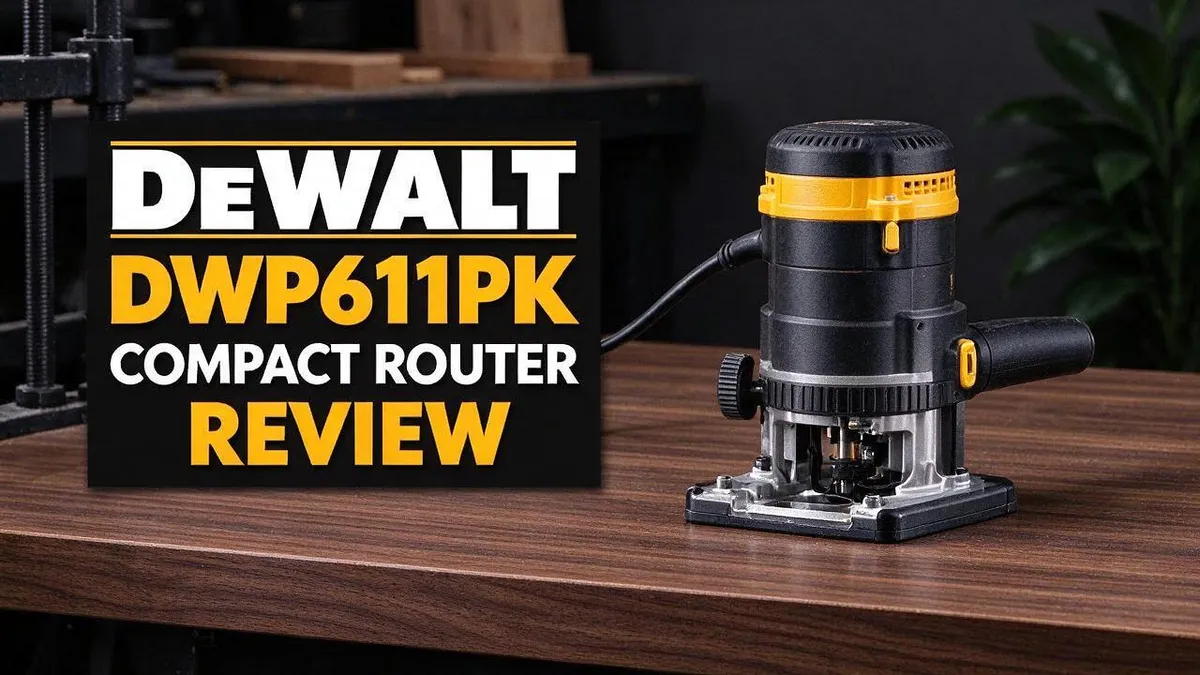
Looking for a router that fits smaller home projects? The DeWalt DWP611PK could be the tool you need. It packs a lot of power into a compact body.
This router features a 1.25 HP motor with variable speed. It runs from 16,000 to 27,000 RPM, so you can match the speed to your material. Its 1/4 inch collet holds smaller bits securely.
Many users find it easy to use. The precise depth adjustment and fast motor pack removal make setup simple. An LED light also helps you see your cut clearly.
In this review, we will look at the specs, real performance, and who this router suits best. Keep reading to see if it belongs in your workshop.
In a Nutshell
- Sturdy build: The aluminum motor housing and base give this router a solid feel that holds up through regular use in the workshop.
- Clear base for better sight lines: The clear plastic fixed base lets you watch your cut line as you guide the tool across the wood.
- Precise depth control: Dial in your settings with care. The depth capacity reaches up to 1.5 inches, so you can handle thicker pieces.
- Fast motor pack removal: The motor pack comes out quickly, which saves time when you switch bits or need a quick cleanup.
- Integrated LED light: The LED light brightens your work area, so small details and fine edges stay easy to see.
- Who it suits best: Home DIYers and hobbyists who want one dependable router for everyday projects will likely find it a great fit. Test your settings on scrap wood first to build confidence before you start the main project.
Motor Power and Speed Control

- Durable 1.25HP motor of DEWALT router delivers the power to meet the toughest applications
- Variable speed control feature of DEWALT plunge router enables bit speed to be optimized for...

Last update on 2026-11-16 / Affiliate links / Images from Amazon Product Advertising API Some of the links on this website are affiliate links, which means that at no additional cost to you, I earn a commission if you click through and make a purchase. I only recommend products and services that I believe will add value to my readers. Thank you for your support!
Power is only half the story with any router. The DeWalt DWP611PK pairs its motor with a wide speed range, so you can match the tool to the job. Good speed choices protect both your bit and your workpiece.
Speed range from 16,000 to 27,000 RPM covers a lot of ground. Lower speeds suit larger bits and deeper cuts. Higher speeds work better for small bits and clean edges on thin stock.
Think about the material before you set the dial. Hardwoods like oak and maple often need a slower pass. Softer woods and plastics usually cut well at higher speeds. Always test your setting on a scrap piece first.
Variable speed control makes this step simple. Turn the dial until the cut sounds smooth and steady. A bogging sound or burn marks usually mean you should slow down or take a lighter pass.
Speed also affects how the motor handles the load. Deep cuts push the motor harder, so take several shallow passes instead of one heavy pass. This approach keeps the tool calm and your edges clean.
Small home projects benefit most from this setup. Picture frames, cabinet doors, and decorative trim need control more than raw force. The motor gives you that control without feeling oversized in your hands.
Match the speed to the bit size for better results. Large bits need lower speeds, while small bits spin well at the top of the range. This habit reduces strain on the motor and helps prevent chatter.
Let the bit reach full speed before it touches the wood. This simple habit creates smoother starts and cleaner edges. It also gives you more confidence during each pass.
Start slow when you try a new bit or new wood. You can always increase the speed later. Taking your time at the start saves material and frustration.
Precision Depth Adjustment
Depth setting works like a simple guide for your bit. It tells the router how far to cut into the wood. Getting this number right saves time and protects your workpiece.
The router handles cuts up to 1.5 inches deep. That range fits many shelving, trim, and joinery tasks.
Start with a test cut on a scrap board. Set the depth, make one pass, then check the result. Adjust only after you measure the cut.
Deep grooves rarely work well in one pass. Take shallow passes instead. Remove a little material each time. Your bit stays cooler, and the cut stays cleaner.
Measure twice before you lock the setting. Small changes in depth can change the fit of a joint. Take a moment to double check your numbers.
Use a steel rule or a depth gauge for quick checks. Hold the rule against the base and measure down to the bit tip. Read the gap then adjust as needed.
Tip: Make a note of settings you like. Write down the depth for each project. Next time, you can repeat the setup without guessing.
Think about the stock thickness too. Check it with a caliper before you start. Thicker boards may need more passes. Thin panels often need only one light pass.
Good depth control makes the whole job feel calmer. You keep your cuts consistent, and you spend less time fixing mistakes. That is a big win for weekend builders.
Unplug the router before you change the depth. This simple habit keeps your hands safe. Check the lock knob too, since loose settings can shift during a cut.
Check the depth after the first few seconds of cutting. Stop the tool if the setting seems off. A quick pause prevents ruined stock.
Keep a few spare scrap boards nearby. They make test cuts easy and safe. Good planning makes each depth change feel simple.
Build Quality and Base Design
Build quality shapes how a router feels during every project. Balance matters most when you guide the tool along an edge. A well balanced tool needs less effort to hold steady.
The base rests flat on the workpiece. Flat contact keeps the bit at the same depth from start to finish. Even pressure on the base also makes edge work feel more predictable.
Heat is another part of the build story. Metal housings help move heat away from the motor. A cooler motor makes longer sessions more comfortable for your hands.
Chips need somewhere to go during a cut. Keep the base free of sawdust so the tool rides smoothly. A clean base means fewer surprises mid pass.
The collet takes 1/4 inch shanks. That size suits many smaller bits used in home shops. Check the shank seats fully before each cut. A loose bit can wobble and ruin the edge.
Connections between the motor and base deserve attention. A firm fit reduces play and keeps the tool stable. Give the lock and fasteners a quick check before you start.
Long term care protects that build. Wipe the housing after dusty jobs. Store the router in a dry spot so the base stays flat and true.
Who gains the most from a solid base? People who work on benches, tables, or narrow stock edges see the biggest difference. A stable platform makes small projects feel less tense.
Edge guides and fences also rely on the base. A flat, true base keeps those accessories aligned. Good alignment gives you straighter grooves and cleaner profiles.
Think about the setup before every cut. Clamp your workpiece firmly so it cannot shift. Movement during a pass can cause rough edges and tear out, so secure the wood first. A little extra time here saves you from repairs later.
Top 3 Alternatives
Makita RT0701C

- Variable speed control dial (10,000 to 30,000 RPM) enables user to match the speed to the...
- Smooth rack and pinion fine depth adjustment system for more precise settings
Last update on 2026-11-16 / Affiliate links / Images from Amazon Product Advertising API Some of the links on this website are affiliate links, which means that at no additional cost to you, I earn a commission if you click through and make a purchase. I only recommend products and services that I believe will add value to my readers. Thank you for your support!
The Makita RT0701C is a compact trim router that suits detail work. It offers variable speed control, so you can match the speed to your material. A soft start feature reduces sudden jerks when you switch it on. This model works well for edge trimming, laminate work, and small joinery tasks. Its slim body also fits comfortably in one hand, which helps you keep control on tight corners.
Bosch Colt Palm Router

- POWERFUL 1.25-HP MAX MOTOR: With the compact versatility of 16,000-35,000 rpm provides a durable...
- GROUND-BREAKING DEPTH-ADJUSTMENT SYSTEM: Ensures precise depth adjustment
Last update on 2026-11-18 / Affiliate links / Images from Amazon Product Advertising API Some of the links on this website are affiliate links, which means that at no additional cost to you, I earn a commission if you click through and make a purchase. I only recommend products and services that I believe will add value to my readers. Thank you for your support!
The Bosch Colt Palm Router fits in your palm and feels very light. It features a micro fine height adjustment, so you can set the cutting depth with care. Many woodworkers like its quiet motor and easy grip. This router shines on small projects, such as picture frames and decorative edges. Beginners often find it easy to handle for short, careful passes.
Ryobi P601 Router

- LED LIGHTING: A set of LED lights onboard this unit allow you to see your project clearly in less...
- GRIPZONE OVERMOLD: Maintain a firm grip with the rubber coating that allows precision handling, even...
Last update on 2026-11-18 / Affiliate links / Images from Amazon Product Advertising API Some of the links on this website are affiliate links, which means that at no additional cost to you, I earn a commission if you click through and make a purchase. I only recommend products and services that I believe will add value to my readers. Thank you for your support!
The Ryobi P601 Router is a simple tool for everyday tasks. It has a straightforward design, so new users can learn it fast. The base delivers steady cuts on softwood and plywood. Use this router when you want a basic tool for quick shaping jobs around the house. It also works well as a second router for your workshop.
Compact Size and Portability
Small enough to carry in one hand. The DeWalt DWP611PK is a compact router that fits easily in a tool bag. Many people pick it up from a shelf and start working within minutes.
Portability matters more than many buyers expect. A lighter tool means less strain on your wrist and arm. It also means you can hold the router steady over the workpiece for longer stretches.
Think about where you will use it. Garage workbenches, kitchen tables, and small apartment spaces leave little room for bulky equipment. This router slides into tight corners and onto narrow shelves without a fuss.
Fast motor pack removal adds another layer of convenience. You can separate the motor from the base quickly. This helps when you need to swap setups or clear out debris.
Moving the tool between locations is simple too. You can carry it from the garage to a job site in your home without extra cases or heavy lifting. Keep the cord coiled loosely in your bag to avoid kinks.
Storage makes a difference. A compact router takes up less drawer or cabinet space. You can store it next to your bits and guides so everything stays together. Clear labels on bit cases help you find the right one fast.
Who benefits most? Hobbyists who move between rooms or work outdoors on decks will appreciate the small footprint. Students in shared workshops also gain from a tool that does not dominate the bench.
Limited space does come with a downside. Smaller tools may feel less stable on very large panels, so support the workpiece well. Clamp boards firmly and use a sacrificial base when you can.
Before you head out, pack a few essentials. Bring a spare collet nut, a set of bits, and a pencil. A small kit keeps your project moving.
Value for Money
A tool proves itself by doing real work well. The DeWalt DWP611PK backs up that promise with a strong motor. Most home projects feel smooth and steady with it.
Versatility adds up quickly. One router can shape edges, trim laminate, and cut decorative profiles. Jobs that once needed several specialty tools can now be done with this one machine.
The variable speed dial helps you match the material. Softer woods often respond well to slower settings, while dense hardwoods need a different approach. Adjusting the speed leads to cleaner edges and smoother results.
Durability matters when you use a tool often. The research describes this router as durable and versatile. A sturdy machine can handle regular weekend sessions for years.
Simple controls help beginners feel confident. New users can learn the basics without a long learning curve. Experienced makers also appreciate that the controls stay out of the way.
The built in LED light makes your cut line easy to see. Good visibility helps you follow a pencil line or guide edge with confidence. Clear sight lines often lead to more accurate work.
Who gets the most from this router? Weekend builders, hobbyists, and homeowners who tackle shelves, picture frames, and trim work will feel the benefits most. Their projects fit the tool’s strengths well.
The research lists no drawbacks, but no tool suits every job. Heavy production work may call for a larger machine. Match the router to your projects, and it will reward you with steady results.
Think about your next three projects. If they fit this router’s strengths, you get solid performance from every session.
Pros and Cons
Pros
- Easy to use, so beginners feel confident fast.
- The 1.25 HP motor handles everyday routing jobs well.
- Compact size fits in a tool bag or a small drawer.
- The LED light makes your cut line easy to see.
- Quick motor removal and precise depth adjustment save time.
Cons
- The corded design limits where you can work.
- Depth capacity tops out at 1.5 inches.
- The 1/4 inch collet only fits 1/4 inch shanks.
- The fixed base is clear plastic, not metal.
Who Should Buy It
The DeWalt DWP611PK suits people who take on small, steady projects around the house. Think picture frames, cabinet doors, and shelf edges.
Weekend DIY fans often need one dependable tool rather than a full workshop. This router handles those jobs with ease, and its motor covers everyday needs without extra fuss.
Hobby woodworkers who build small boxes, signs, or decorative trim will find plenty to explore here. Each project teaches new techniques.
Crafters who work with thin stock also benefit. A compact body gives you more control over delicate pieces.
Second router owners make a strong audience too. Many woodworkers keep a larger machine on the bench and reach for a smaller one for quick jobs.
Renters and apartment dwellers can keep one tool for occasional upgrades. It works well for trimming doors, adding edges, and small repairs.
Furniture restorers also find a use for it. Rounding worn chair edges or refreshing old trim takes little setup.
Students and beginners can practice on scrap wood without buying a heavy machine. Learning the basics builds confidence before bigger projects.
Community makerspaces and shared workshops often need tools that many members can use. This model fits that setting well.
Gift givers looking for a starter tool for a family member may find this router a sensible pick.
Who might look elsewhere? Professionals who route large panels or thick stock all day may need more power. A heavier router suits that kind of work better.
If you route every day in a busy shop, a bigger machine may save time. Still, many people never outgrow a compact model.
Start small and see what you need. Practice a few simple projects first. Then decide whether this router fits your long term plans. Read the specs, think about your projects, and choose the tool that matches your goals.
Final Verdict
Our final take is simple. The DeWalt DWP611PK suits anyone who wants one dependable router for a home workshop. It turns small jobs into clean, smooth results.
It may not fit every shop, though. Professionals who route all day might want a heavier machine with more capacity. Large stock and deep cuts will push this router past its comfort zone.
Start with a simple test project. Try an edge profile on scrap pine before you touch a nicer hardwood. This lets you learn how the tool feels in your hands.
Bit choice matters just as much as the router itself. Make a few test cuts on offcut wood before each real project. Test cuts reveal how your depth setting and feed speed behave.
Take shallow passes instead of one deep cut. This keeps the motor working within its comfort zone. It also gives you cleaner edges and better control.
Keep the tool in good shape over time. Blow dust out of the motor vents after heavy use. Check the collet nut for tightness before each session. Simple care helps a router last for years.
A compact router can also grow with your skills. Many owners keep it as a second tool for trim work. A larger machine can then handle the bigger builds.
Who should look elsewhere? Buyers who want cordless freedom may prefer a battery model. DeWalt offers a 20V cordless compact router that fits that need.
Our bottom line: the DeWalt DWP611PK delivers strong results for beginners and hobbyists. It balances power, size, and ease of use in one package. Pick it if you want a tool that gets real work done.
Frequently Asked Questions
What speed should I set on the DWP611PK?
The router offers variable speed from 16,000 to 27,000 RPM. Choose lower speeds for large bits.
Higher speeds suit small bits and thin profiles. Start slow and adjust as you learn how the tool responds.
Is the aluminum body built to last?
The motor housing and base use aluminum. This gives the tool a solid feel in your hands.
Wipe the metal parts clean after each project. This simple habit helps the router stay in good shape for years.
Can I plug it into a regular household outlet?
Yes, it runs on standard 110 to 120 volt power. It draws 7 amps at 60 Hz.
Check that your circuit can handle that load before you start a long session. Running other large tools on the same circuit can trip a breaker.
Does the 1.25 HP motor handle hardwood?
The motor works well on softer woods like pine and poplar. Hardwoods need more patience.
Use a slower feed rate and test on a scrap piece first. This keeps the motor working within its comfort zone and gives you cleaner edges.

Hi, I’m Amelia Thornton, the founder of ElectroPro.blog.
I write about smart devices, gadgets, electronics, and tech essentials from Amazon.
My goal is to help you discover reliable and innovative tech that truly makes life easier.
From home automation to everyday gear, I test and share what’s worth your investment.
Join me as I explore the smartest tech trends—one gadget at a time.