Milwaukee Adjustable Hole Cutter Review 2026
Cutting clean, round holes in drywall should not be a stressful task. Yet many electricians, HVAC techs, and DIY homeowners still struggle with messy cuts and oversized openings.
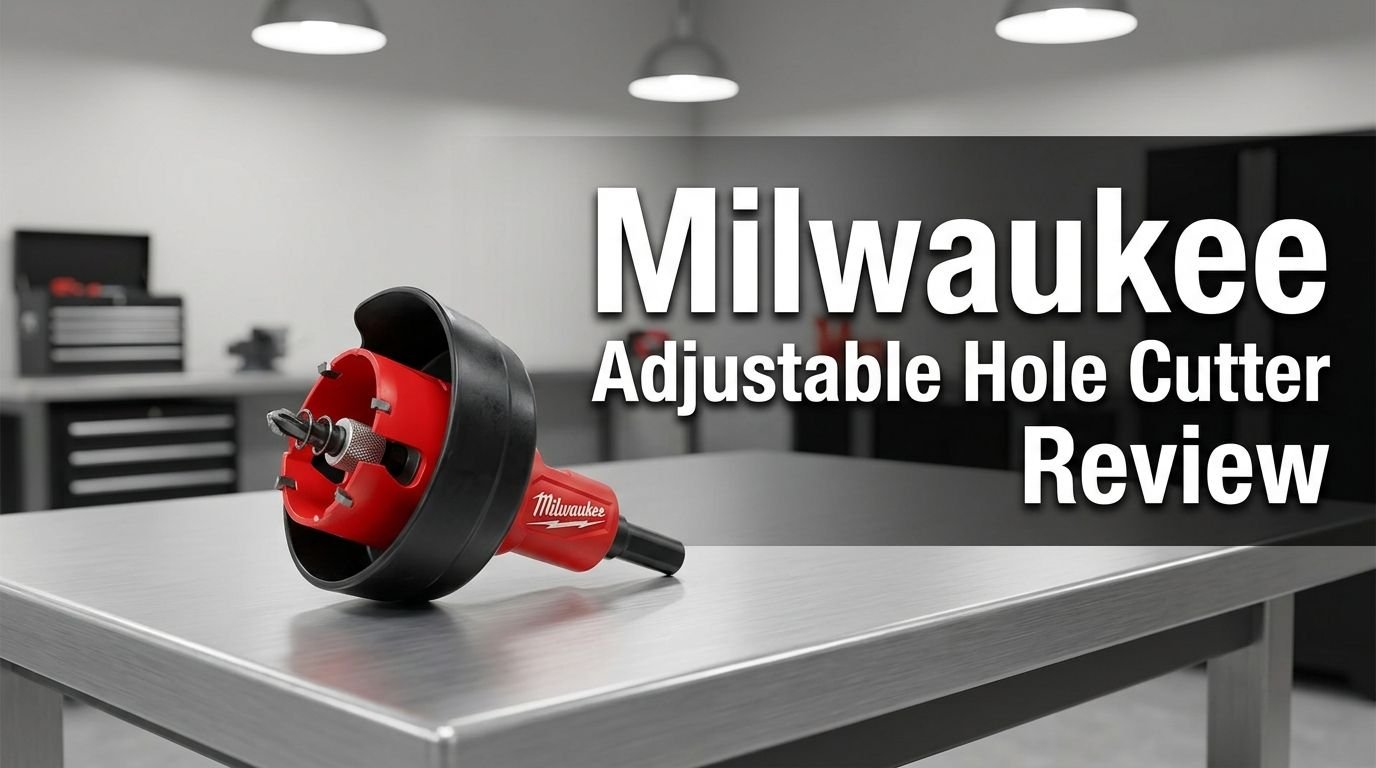
The Milwaukee Adjustable Hole Cutter (49-56-0320) promises a single tool that replaces an entire collection of fixed hole saws. It adjusts from 2 inches all the way to 7 inches in 1/4 inch increments. It also comes with a built in dust shield that catches debris during overhead cuts.
But does it actually deliver on those promises? Some users love it for quick drywall work. Others report loose screws and dull blades after a few dozen holes.
Key Takeaways
- The Milwaukee 49-56-0320 cuts holes from 2 inches to 7 inches in 1/4 inch increments, giving you 21 different size options with one single tool. That is nearly double the size range of most competing adjustable cutters on the market today.
- The QUIK-LOK arbor system allows tool free size changes. You do not need a hex key or any wrench to adjust the cutting diameter. Just twist the collar, set the size, and lock it in place. This saves time on job sites where speed matters.
- A spring loaded debris shield catches dust and drywall particles. This feature is especially useful for overhead ceiling work. The shield contains most of the mess and keeps your work area cleaner than a standard hole saw.
- The blades are black oxide coated for smoother cuts. Laser etched size markings on the body help you identify the correct diameter at a glance. This removes guesswork and reduces measurement errors.
- Blade durability is a common concern among heavy users. Several professionals report that the blades dull or loosen after roughly 50 to 80 holes. Replacement blade kits (49-56-0290) are available, but this is something to budget for if you cut holes daily.
- This tool is made for drywall and ceiling tile only. It is not designed for wood, metal, or plaster. Users who push it into harder materials often experience blade breakage and arm bending.

Last update on 2026-08-29 / Affiliate links / Images from Amazon Product Advertising API Some of the links on this website are affiliate links, which means that at no additional cost to you, I earn a commission if you click through and make a purchase. I only recommend products and services that I believe will add value to my readers. Thank you for your support!
Milwaukee Adjustable Hole Cutter Overview
The Milwaukee Adjustable Hole Cutter carries model number 49-56-0320. Milwaukee Tool, based in Brookfield, Wisconsin, built this product for electricians, AV installers, and fire alarm technicians. The primary purpose is to cut clean, round holes in drywall and ceiling tiles.
This tool eliminates the need to carry a bag full of individual hole saws. One cutter handles everything from 2 inch recessed light openings to 7 inch speaker cutouts. The body is compact and fits into most standard drill chucks with a 1/4 inch hex shank.
Milwaukee designed this hole cutter with a focus on speed and convenience. The QUIK-LOK collar lets you change sizes on the fly. Laser etched markings keep things clear. A built in debris shield manages dust during cuts.
The tool retails at most hardware stores and online retailers. It sits in a mid range price bracket for adjustable hole saws. Professional users and weekend DIYers alike find it accessible.
QUIK-LOK Arbor and Tool Free Adjustability
One of the strongest features of this hole cutter is the QUIK-LOK arbor system. Traditional adjustable hole saws require a hex key or Allen wrench to change sizes. Milwaukee removed that step entirely.
You simply twist the locking collar to release the arms. Then slide the arms to the correct size using the laser etched markings on the body. Lock the collar back in place. The entire adjustment takes about 10 seconds.
This feature shines on busy job sites. Electricians often need to cut holes of different diameters in the same room. Switching from a 4 inch recessed light hole to a 6 inch speaker hole takes no extra tools.
The laser etched markings are clear and easy to read, even in dim attic or basement lighting. Each marking represents a 1/4 inch increment. This gives you 21 distinct hole sizes from a single tool. That range covers the majority of residential and light commercial drywall applications.
Cutting Range and Size Increments
The Milwaukee Adjustable Hole Cutter provides a cutting range of 2 inches to 7 inches in diameter. Each increment is 1/4 inch. This is nearly double the number of size options compared to many competitors.
A 2 inch hole works well for running cables or small conduit. A 4 inch hole fits most standard recessed LED lights. A 6 inch or 7 inch opening accommodates in ceiling speakers, larger light housings, or HVAC access points.
The 1 inch cutting depth handles standard 1/2 inch and 5/8 inch drywall with ease. For thicker materials like double layered drywall, you may need to cut from both sides. The tool performs well in ceiling tiles up to 3/4 inch thick.
Each size increment locks firmly into the QUIK-LOK collar. There is no wobble or play between sizes when properly locked. Consistent sizing means your recessed lights and speakers fit snugly without gaps.
Top 3 Alternatives for Milwaukee Adjustable Hole Cutter
1. Klein Tools 53710 Adjustable Hole Saw with Auto-Set Arms

- PRECISE HOLE CUTTING: The Adjustable Hole Saw with Auto-Set Arms effortlessly cuts holes from 2 to...
- EASY SIZE ADJUSTMENTS: With integrated gearing mechanism, adjusting the hole size is a breeze...

Last update on 2026-08-29 / Affiliate links / Images from Amazon Product Advertising API Some of the links on this website are affiliate links, which means that at no additional cost to you, I earn a commission if you click through and make a purchase. I only recommend products and services that I believe will add value to my readers. Thank you for your support!
2. Jonard Tools AHC-10 Professional Grade Round Hole Saw Cutter

- WHAT’S IN IT: Adjustable hole saw cutter, polycarbonate dust shield, rugged case
- VERSATILE USE: Cuts round holes in plywood, sheetrock, plasterboard, and acrylic sheet up to...
Last update on 2026-08-29 / Affiliate links / Images from Amazon Product Advertising API Some of the links on this website are affiliate links, which means that at no additional cost to you, I earn a commission if you click through and make a purchase. I only recommend products and services that I believe will add value to my readers. Thank you for your support!
3. VEVOR Adjustable Hole Saw Cutter Kit (40-300mm)

- Adjustable Hole Saw Cutter Kit: This kit includes 1 x Adjustable Hole Saw, 1 x Storage Box, 1 x PC...
- Cut Hole Size Adjustable: The adjustable circle hole saw cutter can cut holes with a diameter from...
Last update on 2026-08-29 / Affiliate links / Images from Amazon Product Advertising API Some of the links on this website are affiliate links, which means that at no additional cost to you, I earn a commission if you click through and make a purchase. I only recommend products and services that I believe will add value to my readers. Thank you for your support!
Blade Quality and Black Oxide Coating
The Milwaukee Adjustable Hole Cutter uses high speed steel blades with a black oxide finish. The coating reduces friction during cutting. It also provides a layer of corrosion resistance for longer shelf life.
The blades produce smooth, clean edges in standard drywall. Most users report excellent results for the first 30 to 50 holes. The cuts are round, burr free, and require little or no cleanup.
However, heavy use reveals a weak point. After approximately 50 to 80 holes, the blades begin to dull. Some professionals have reported blade loosening during cuts, which affects accuracy. The screws holding the blades to the arms can vibrate loose if you push the tool too hard or too fast.
Milwaukee sells a replacement blade and pilot bit kit (49-56-0290) separately. Each kit includes fresh blades and a new pilot bit. If you cut holes regularly, plan to purchase replacement blades every few months.
The best practice is to let the tool do the work. Apply gentle, steady pressure and keep your drill speed at or below 600 RPM. Rushing the cut or pressing too hard leads to premature blade wear and loose components.
Debris Shield and Dust Control
The built in debris shield is a standout feature. It attaches to the body of the hole cutter via a spring collar mechanism. During cutting, the shield presses against the work surface and catches falling dust and drywall particles.
This works especially well for overhead ceiling cuts. Without a shield, drywall dust falls directly into your face and onto the floor below. The Milwaukee debris shield contains the majority of that debris inside the shield cavity.
The shield is made from a durable, semi transparent material. You can see through it to monitor your cut progress. It is also reusable. After each job, shake out the collected dust or give it a quick wipe.
Some users pair the shield with a vacuum attachment for even cleaner results. While Milwaukee does not include a vacuum port on this model, the shield alone reduces cleanup time by a significant margin.
The spring collar design keeps the shield level against the cutting surface. It compresses and extends as you apply pressure. This prevents the shield from interfering with the actual cut while still maintaining contact with the drywall or tile.
How to Use the Milwaukee Adjustable Hole Cutter
Using this tool is straightforward. First, insert the 1/4 inch hex shank into your drill chuck and tighten firmly. Make sure the shank is seated completely to prevent wobble.
Next, twist the QUIK-LOK collar and slide the cutting arms to your desired diameter. Align the arm edges with the laser etched markings for accurate sizing. Lock the collar securely.
Position the pilot bit at the center of your intended hole location. A small pilot hole or a marked center point helps with precision. Start your drill at a slow, steady speed. Milwaukee recommends a maximum of 600 RPM.
Apply gentle forward pressure. Let the blades score the drywall without forcing them. The cut should take 10 to 15 seconds for standard 1/2 inch drywall. Thicker materials may take slightly longer.
Once the blades cut through, stop the drill and pull the tool back. The cutout piece will typically remain inside the debris shield or fall away cleanly. Remove the cutout, shake out the shield, and move to the next hole.
Performance on Drywall and Ceiling Tile
The Milwaukee Adjustable Hole Cutter was designed specifically for drywall and ceiling tile. On these materials, performance is strong. Cuts are clean. Edges are smooth. The round shape is accurate.
Standard 1/2 inch residential drywall is the ideal material. The blades glide through without effort at moderate speed. The pilot bit centers the cut accurately, and the arms stay stable throughout the process.
Ceiling tile cuts are equally impressive. Drop ceiling tiles, acoustic panels, and similar soft materials present no challenge. The blades handle them smoothly with minimal pressure.
Where the tool struggles is on harder or denser materials. Plaster walls, hardwood, MDF, and any type of metal are outside this tool’s intended scope. Users who attempt cuts in these materials often experience blade breakage, arm bending, and poor cut quality.
For drywall professionals and electricians who spend their days cutting recessed light holes and speaker openings, this tool delivers consistent results. It does one job and does it well.
Build Quality and Durability
The main body of the Milwaukee Adjustable Hole Cutter is made from alloy steel. The construction feels solid in hand. The QUIK-LOK collar operates smoothly and locks firmly.
The cutting arms extend and retract without binding. The laser etched markings remain visible even after months of use. The hex shank fits drill chucks tightly with no noticeable play.
The debris shield is the most fragile component. It holds up well under normal use but can crack if dropped from height onto a hard surface. Handle it with care during transport.
The biggest durability concern involves the blade mounting screws. Under heavy, repeated use, these screws can loosen. Some professionals carry a small screwdriver to retighten them periodically throughout the workday.
Overall build quality matches what you expect from Milwaukee Tool. The product feels like a professional grade accessory. It is not a disposable, single use item. With proper care and timely blade replacements, it can last for years.
Pros of the Milwaukee Adjustable Hole Cutter
Last update on 2026-08-29 / Affiliate links / Images from Amazon Product Advertising API Some of the links on this website are affiliate links, which means that at no additional cost to you, I earn a commission if you click through and make a purchase. I only recommend products and services that I believe will add value to my readers. Thank you for your support!
The QUIK-LOK arbor makes size changes fast and effortless. No extra tools are needed. This alone saves minutes on every job where multiple hole sizes are required.
The 21 size increments from 2 to 7 inches cover virtually every common drywall hole application. One tool replaces a dozen fixed hole saws. This reduces the weight and bulk in your tool bag.
The debris shield is a genuine time saver for overhead work. It catches dust, keeps work areas clean, and reduces post job cleanup. The spring loaded design keeps the shield functional without hindering the cut.
Laser etched markings are precise and durable. They do not wear off like printed labels. You always know exactly what size you are set to.
The black oxide coated blades cut cleanly through drywall and ceiling tile. The finish reduces friction and extends blade life compared to uncoated alternatives.
Affordable pricing makes this tool accessible to both professionals and homeowners. It sits below the cost of buying a full set of individual hole saws.
Cons of the Milwaukee Adjustable Hole Cutter
Blade durability is limited under heavy use. Professional users who cut 50 or more holes per week will need replacement blades frequently. The cost of replacement kits adds up over time.
The blade mounting screws loosen during extended cutting sessions. This is a consistent complaint across user reviews. Loose screws affect cut accuracy and can cause blade failure.
The tool is limited to drywall and ceiling tile only. It cannot handle plaster, wood, metal, or any material harder than standard gypsum board. Users who need a multi material cutter should look elsewhere.
The 1 inch cutting depth restricts the tool to single layer applications. Double layered drywall requires cutting from both sides. This adds extra time and effort.
The debris shield can crack if mishandled. It is durable during use but brittle when dropped. Replacement shields are not as easy to source as replacement blades.
Some users report that the pilot bit wanders slightly on textured or painted ceilings. A pre drilled center hole solves this issue, but it is an extra step.
Who Should Buy This Tool
The Milwaukee Adjustable Hole Cutter is ideal for electricians who install recessed lighting regularly. If you cut three to ten holes per job in standard drywall, this tool saves time and reduces hassle.
AV installers who mount in ceiling speakers benefit from the wide size range. Speaker openings often vary between 5 and 7 inches. This tool covers that range with a single adjustment.
Fire alarm and security system technicians also find value in this cutter. Smoke detector and sensor openings in ceiling tiles require clean, precise cuts. The debris shield keeps the work area presentable for clients.
DIY homeowners who tackle occasional lighting or speaker projects will appreciate the simplicity. There is no learning curve. The tool works out of the box with any standard drill.
This cutter is not the right choice for contractors who work with plaster, lathe walls, or wood substrates. It is also not suited for metalworking or tile cutting applications. Those jobs require different tools entirely.
Milwaukee Adjustable Hole Cutter vs. Klein Tools 53710
The Klein Tools 53710 is the most direct competitor to the Milwaukee 49-56-0320. Both tools cut holes from 2 to 7 inches in drywall and ceiling tile.
Klein’s version features auto set arms that snap into predefined sizes. This mechanism is slightly faster than Milwaukee’s sliding arm design. Klein also includes an integrated vacuum port and a dustbowl style dust collector. This gives it a slight edge in dust management.
Milwaukee counters with its 1/4 inch increments, which provide more granular size control. Klein uses preset positions that may not cover every specific size you need.
In terms of blade quality, both tools perform similarly. They both dull at roughly the same rate under heavy use. Both brands sell replacement blade kits separately.
The Klein 53710 is priced slightly higher than the Milwaukee in most stores. If dust collection and a vacuum connection matter to you, Klein has the advantage. If precise, incremental size adjustment is your priority, Milwaukee wins.
Milwaukee Adjustable Hole Cutter vs. Jonard Tools AHC-10
The Jonard Tools AHC-10 offers a wider cutting range of 2.2 inches to 10 inches. That is 3 inches more than the Milwaukee cutter on the upper end. If you need holes larger than 7 inches, the Jonard is the better pick.
Jonard’s cutter also includes a polycarbonate dust shield and a carrying case. It cuts plywood, plasterboard, sheetrock, and acrylic up to 1-1/16 inches thick. This makes it more versatile than the Milwaukee in terms of material compatibility.
However, the Jonard AHC-10 is heavier and bulkier. It costs more than the Milwaukee as well. The adjustment mechanism uses a hex locknut and compression spring, which requires slightly more effort to change sizes.
For users who only work in drywall and need a compact, fast adjusting tool, the Milwaukee remains the better daily driver. For those who need a broader range and multi material capability, the Jonard is worth the extra investment.
Maintenance and Blade Replacement Tips
Keeping the Milwaukee Adjustable Hole Cutter in good shape requires minimal effort. After each use, remove dust and debris from the blades and shield. A quick brush or blast of compressed air does the job.
Check the blade mounting screws before each use. This is the single most important maintenance step. Loose screws cause poor cuts and potential blade ejection. A quick turn with a screwdriver keeps everything secure.
Replace the blades when you notice the cut quality dropping. Dull blades tear drywall instead of slicing it. They also put extra strain on your drill motor. The replacement kit (49-56-0290) includes two blades and one pilot bit.
Store the tool in a dry location. The black oxide coating resists corrosion, but prolonged exposure to moisture can still degrade the blades. A tool bag pocket or a small case works well for storage.
Lubricate the QUIK-LOK collar occasionally with a drop of light machine oil. This keeps the locking mechanism smooth and prevents seizing from drywall dust buildup.
Final Verdict on the Milwaukee Adjustable Hole Cutter
The Milwaukee Adjustable Hole Cutter (49-56-0320) is a solid, purpose built tool for cutting holes in drywall and ceiling tile. It excels at what it was designed to do. The QUIK-LOK arbor, wide size range, and debris shield make it practical for daily professional use.
Its weaknesses are real but manageable. Blade dulling and screw loosening require attention. The limited material compatibility means you still need other tools for harder substrates.
For the price, this cutter offers excellent value to electricians, AV installers, and DIY homeowners who work primarily with drywall. It replaces a stack of individual hole saws and simplifies your workflow.
If you need a larger size range or multi material capability, consider the Jonard AHC-10 or Klein Tools 53710 as alternatives. But for straightforward drywall hole cutting, the Milwaukee Adjustable Hole Cutter remains a strong choice in 2026.
Frequently Asked Questions
What materials can the Milwaukee Adjustable Hole Cutter cut?
The Milwaukee 49-56-0320 is designed for drywall and ceiling tile only. It handles standard 1/2 inch and 5/8 inch gypsum board and most drop ceiling tiles. It is not intended for wood, metal, plaster, or any material harder than drywall. Using it on unapproved materials leads to blade damage and poor results.
How do you change the size on the Milwaukee Adjustable Hole Cutter?
You twist the QUIK-LOK collar to unlock the cutting arms. Slide the arms to your desired diameter using the laser etched markings on the body. Each mark represents a 1/4 inch increment from 2 inches to 7 inches. Lock the collar back in place. No hex key or wrench is needed.
How long do the blades last on this hole cutter?
Blade lifespan depends on use frequency and material. Most users report 30 to 80 clean cuts before noticeable dulling. Professional users who cut holes daily may need to replace blades every few weeks. The replacement blade kit is sold under part number 49-56-0290.
Can you use the Milwaukee Adjustable Hole Cutter with an impact driver?
Milwaukee does not rate this tool for impact drivers. It is designed for use with a standard drill or drill driver at speeds up to 600 RPM. Using an impact driver can damage the tool and produce poor quality cuts. Stick with a standard drill for best results.
Is the Milwaukee Adjustable Hole Cutter worth it for DIY use?
Yes. If you plan to install recessed lights, speakers, or any fixtures that require clean round holes in drywall, this tool saves time and money. It replaces the need to buy multiple individual hole saws. For occasional home projects, the blades will last a long time since you will not be cutting hundreds of holes.
How does the debris shield work?
The shield attaches to the tool body with a spring collar. It presses against the ceiling or wall surface during cutting. As the blades cut, dust and drywall particles fall into the shield instead of onto you or the floor. After cutting, shake out the collected debris and reuse the shield for the next hole.

Hi, I’m Amelia Thornton, the founder of ElectroPro.blog.
I write about smart devices, gadgets, electronics, and tech essentials from Amazon.
My goal is to help you discover reliable and innovative tech that truly makes life easier.
From home automation to everyday gear, I test and share what’s worth your investment.
Join me as I explore the smartest tech trends—one gadget at a time.